My Global Footprints
International Tours
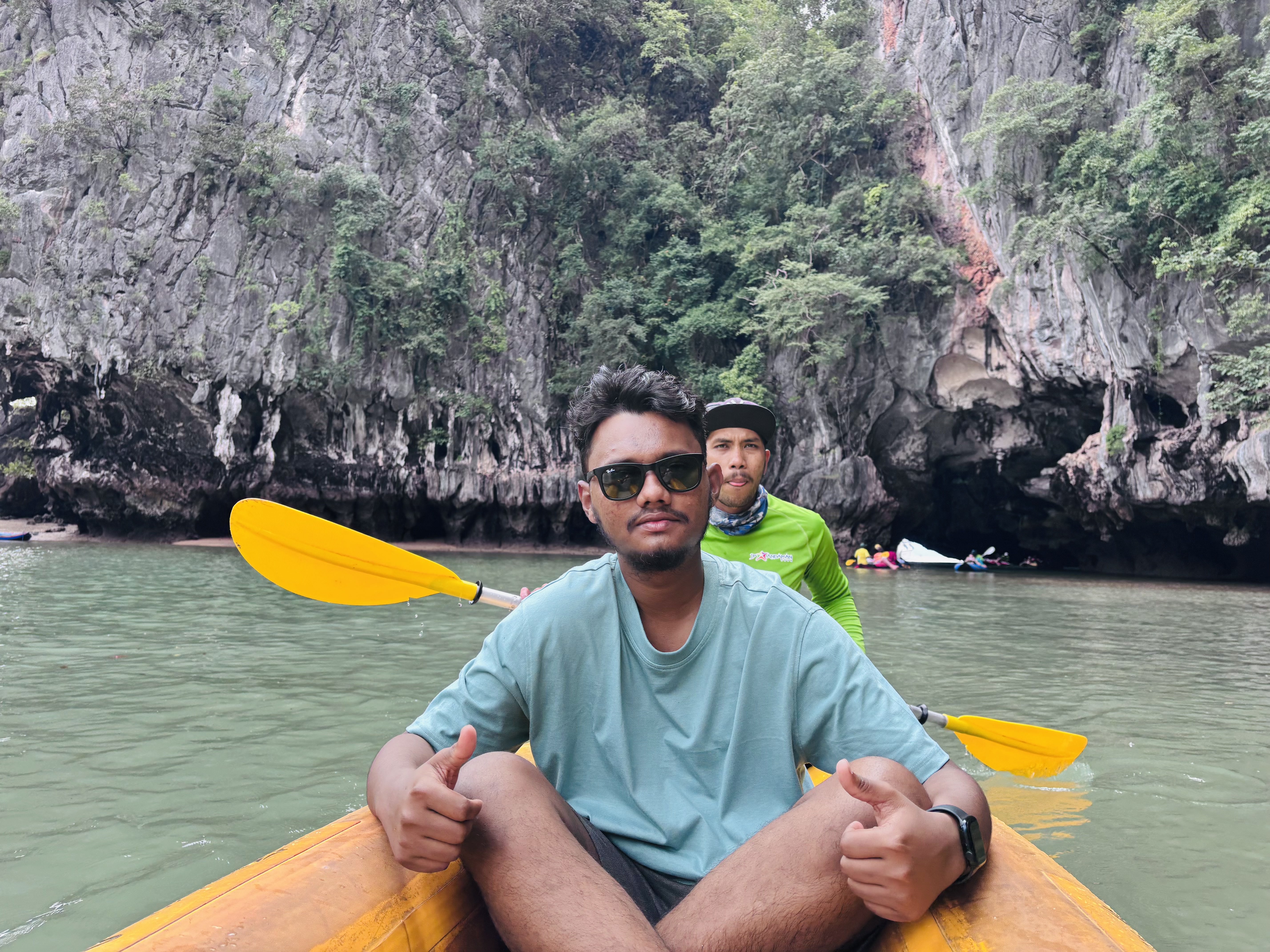
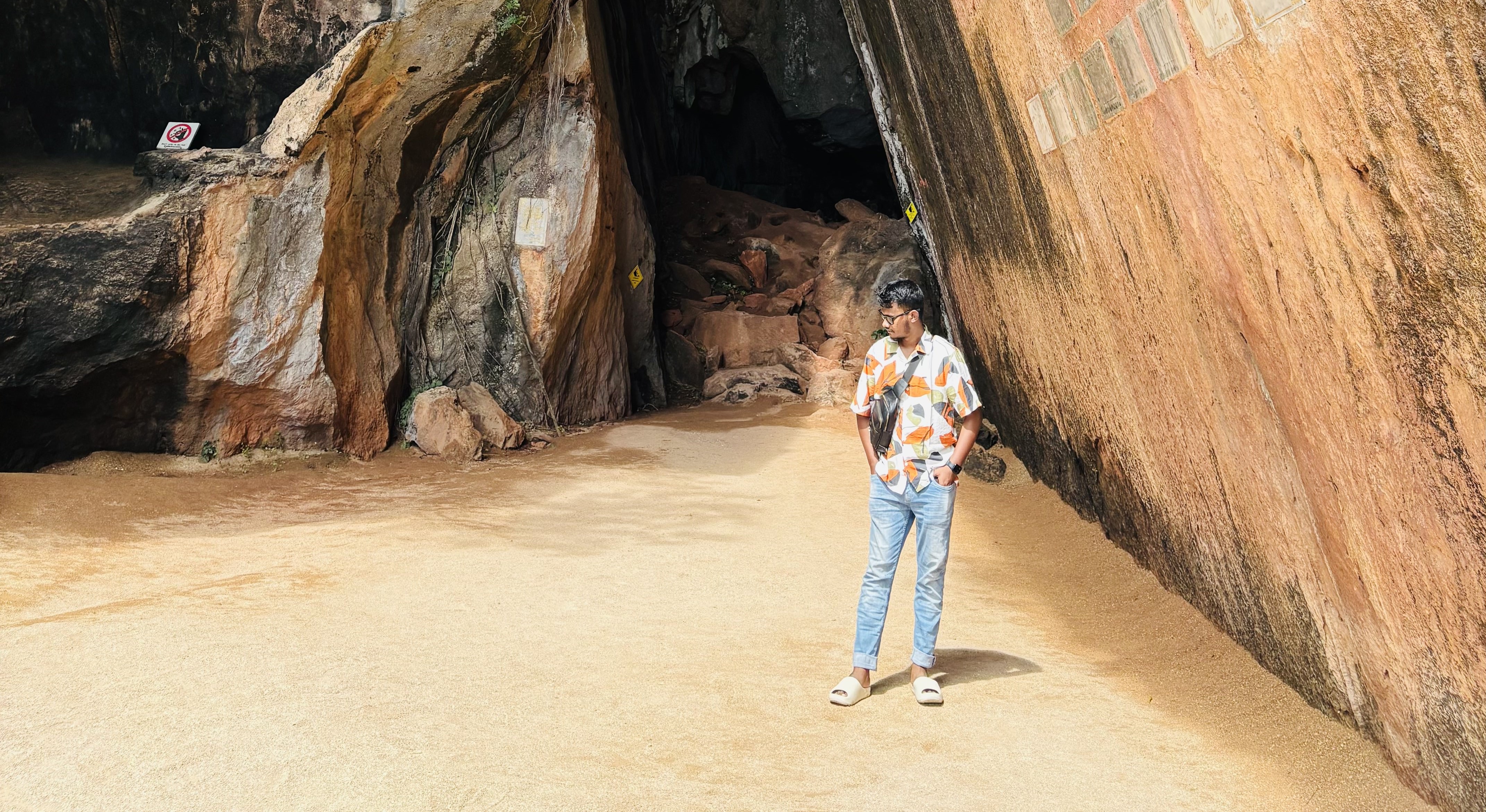
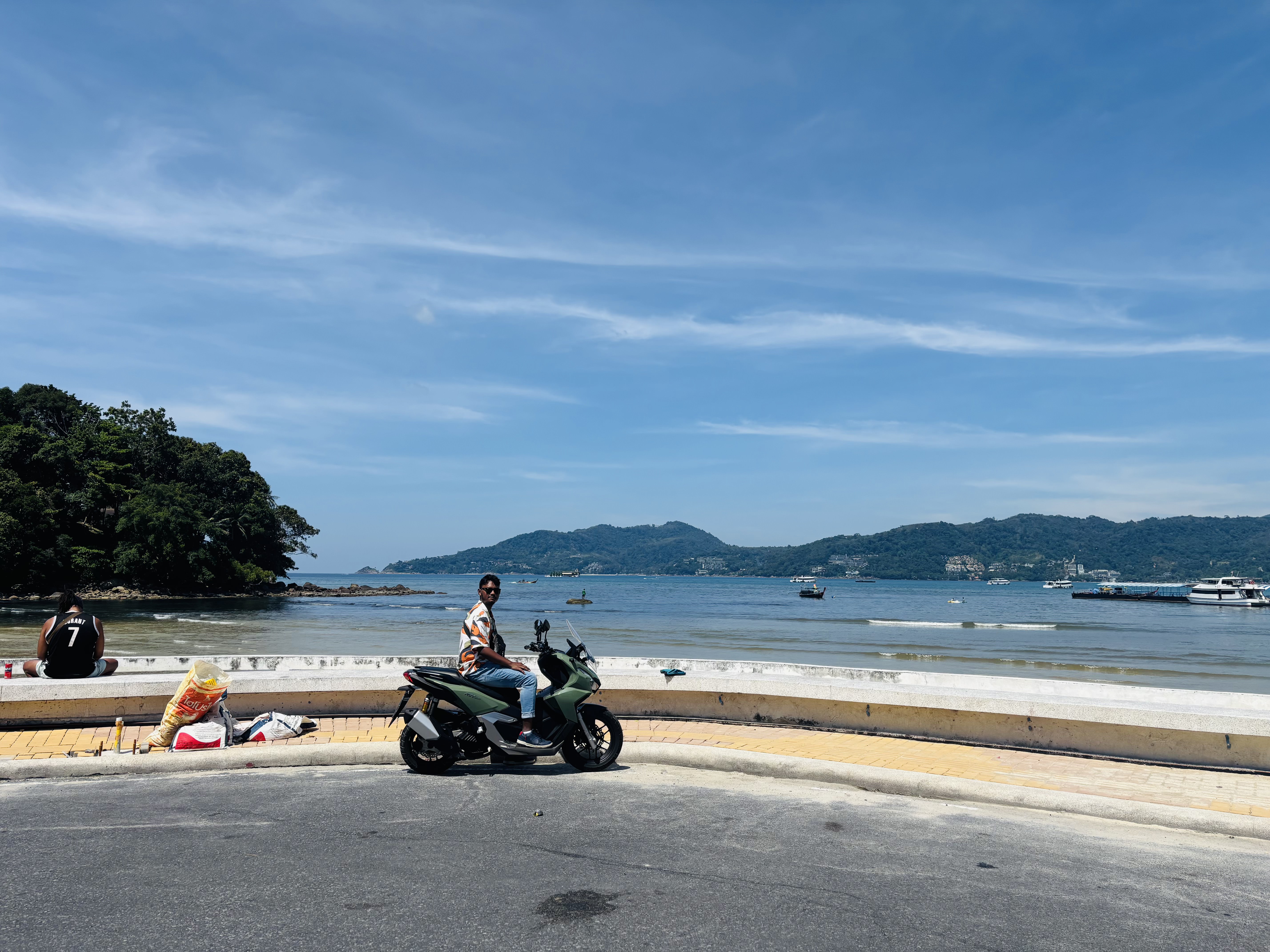
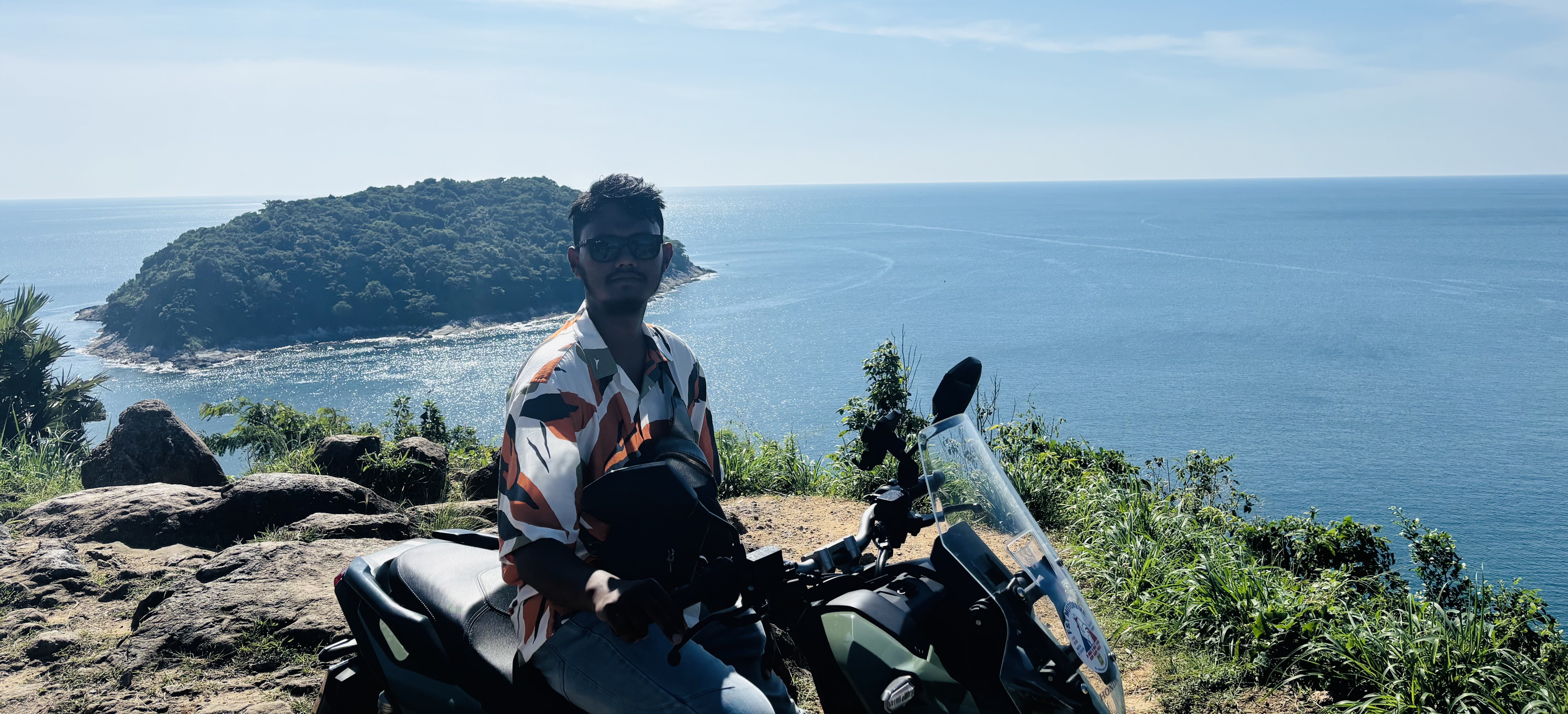

Thailand
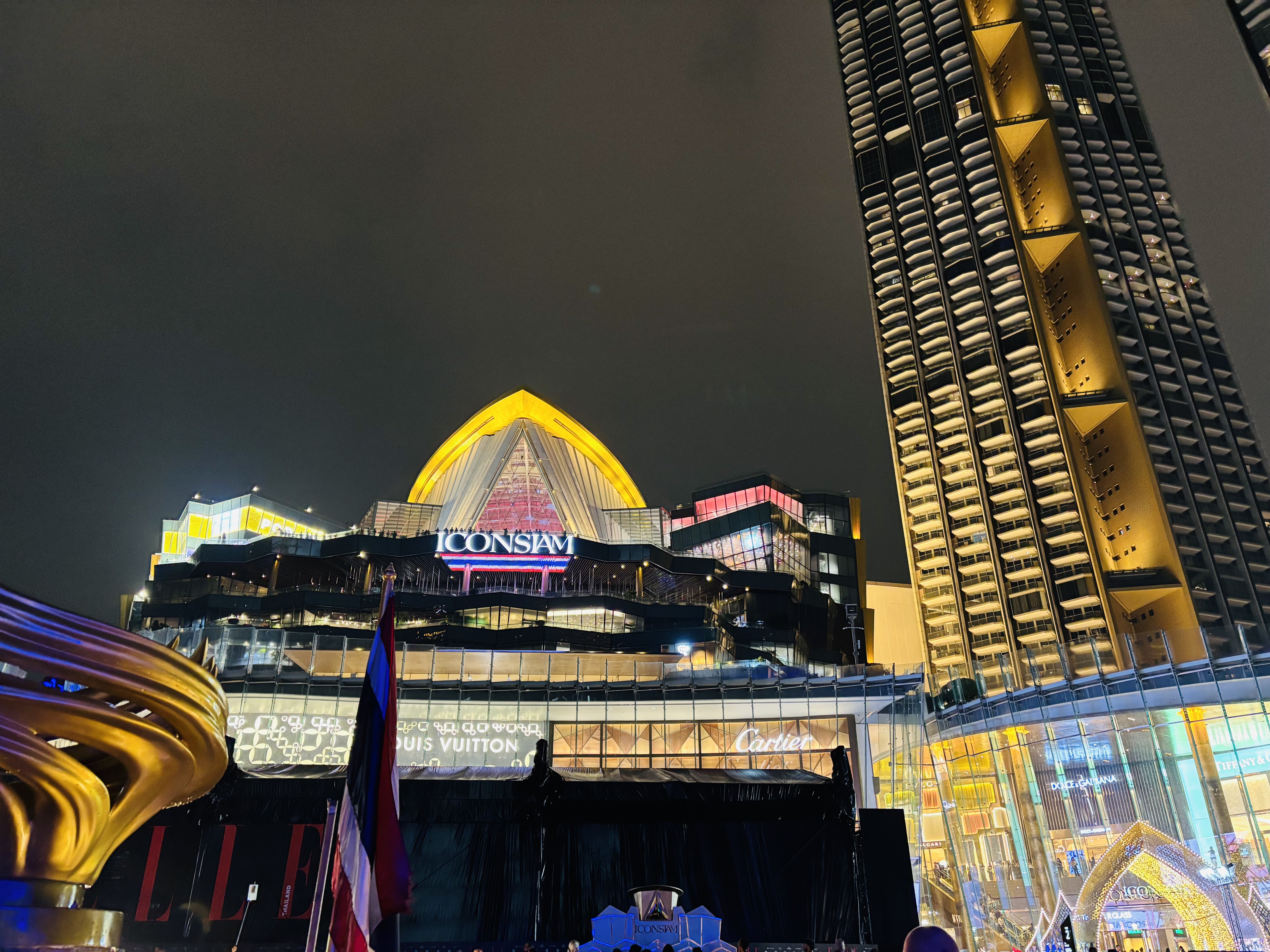
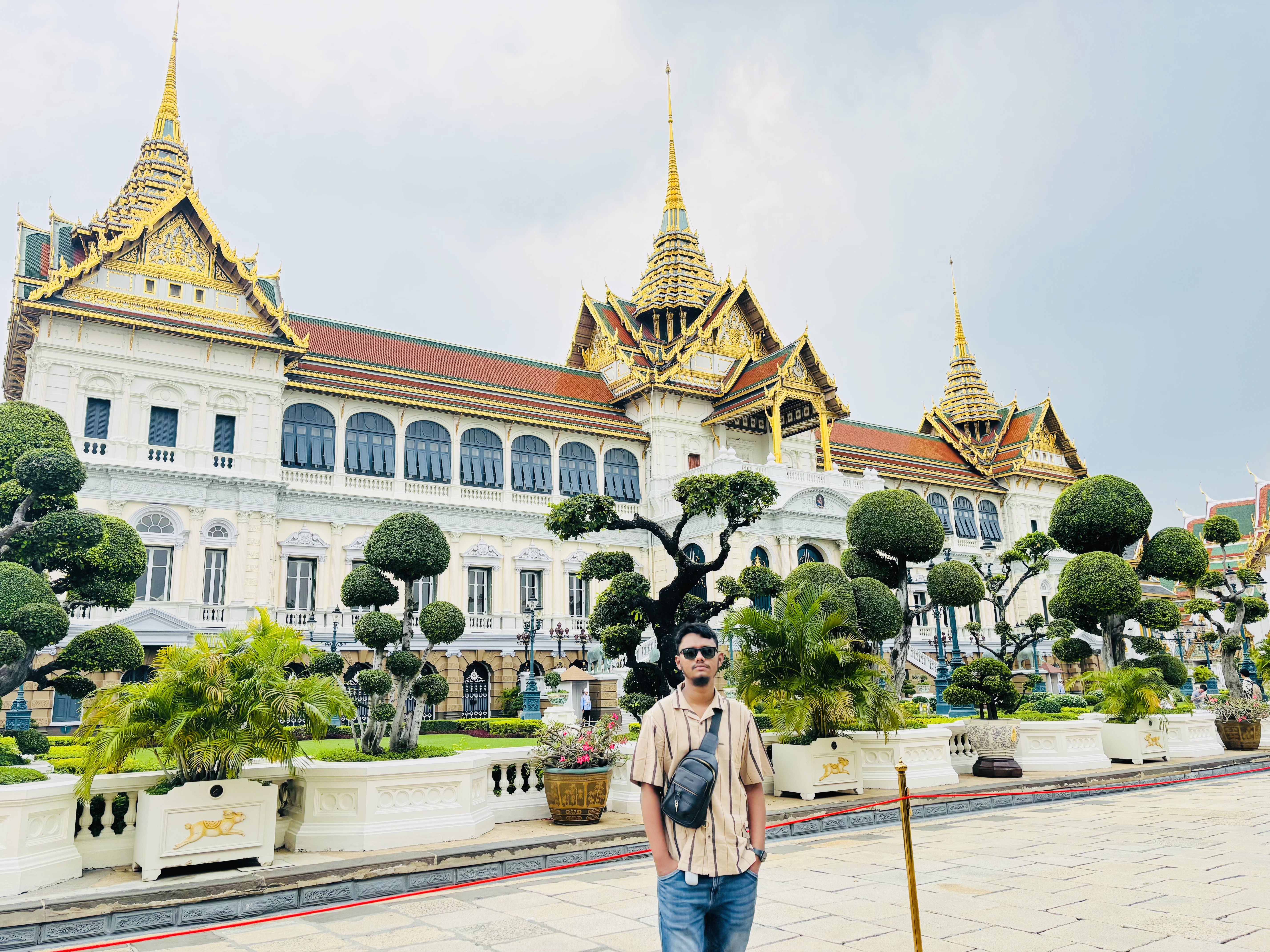
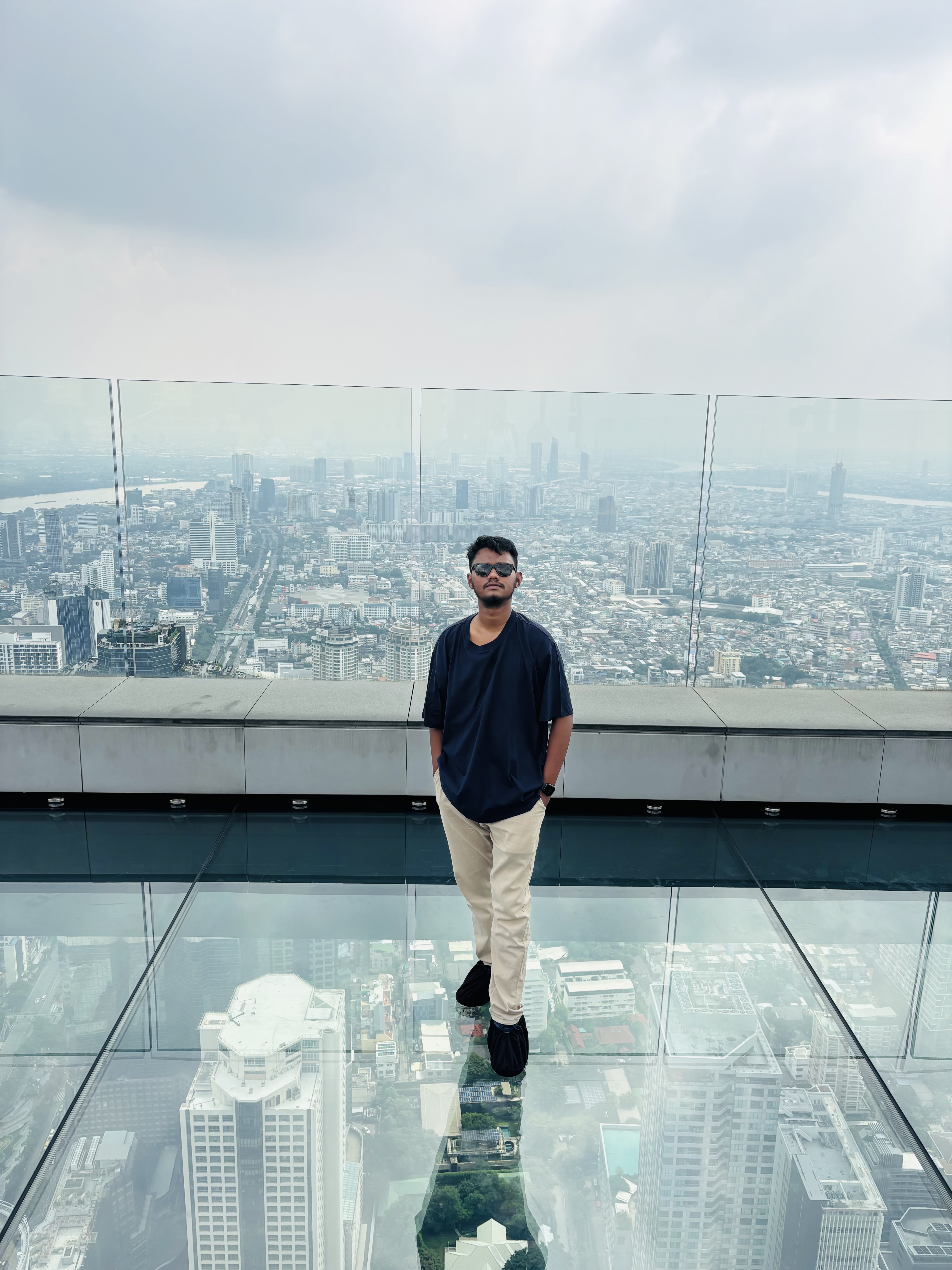
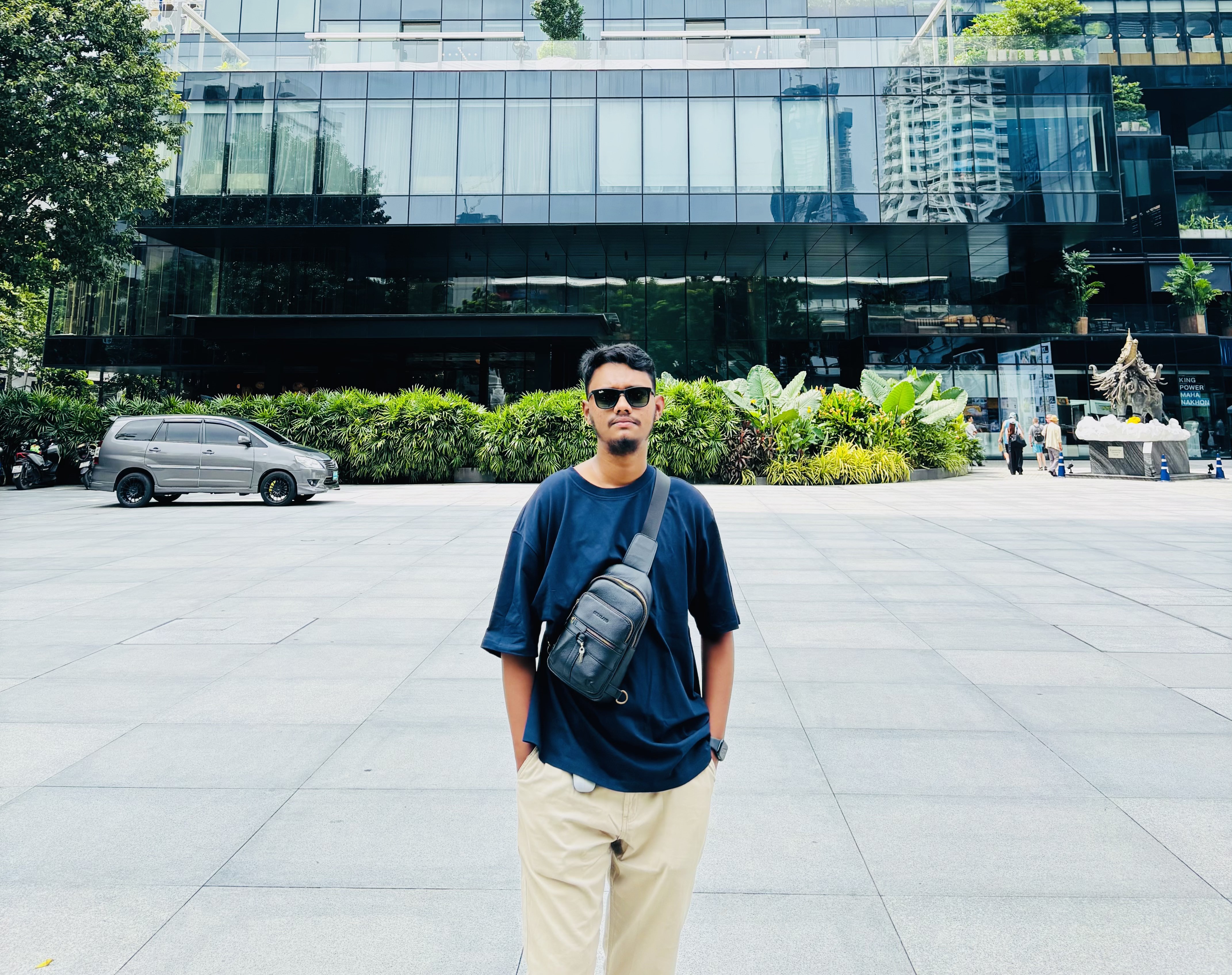
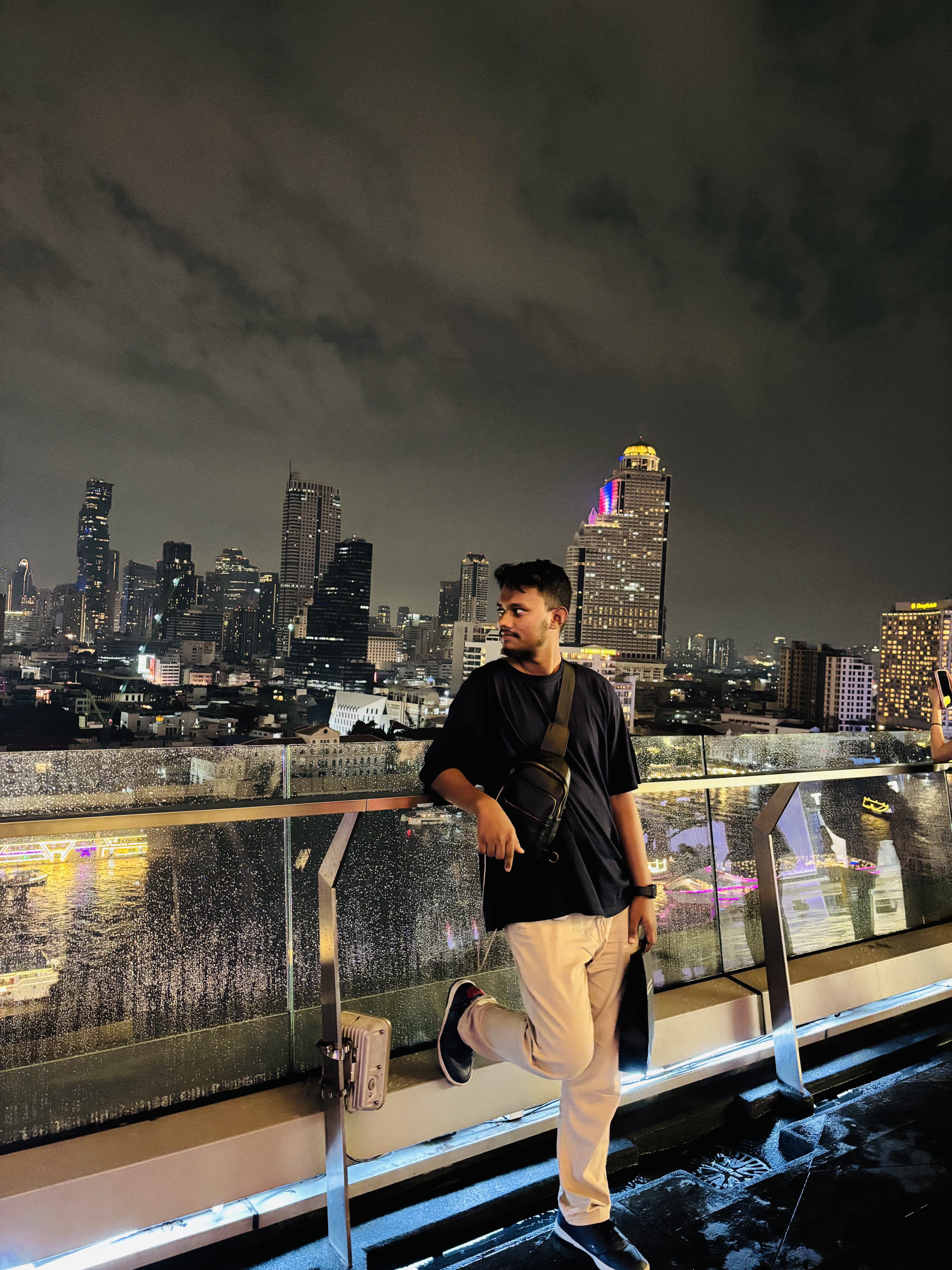
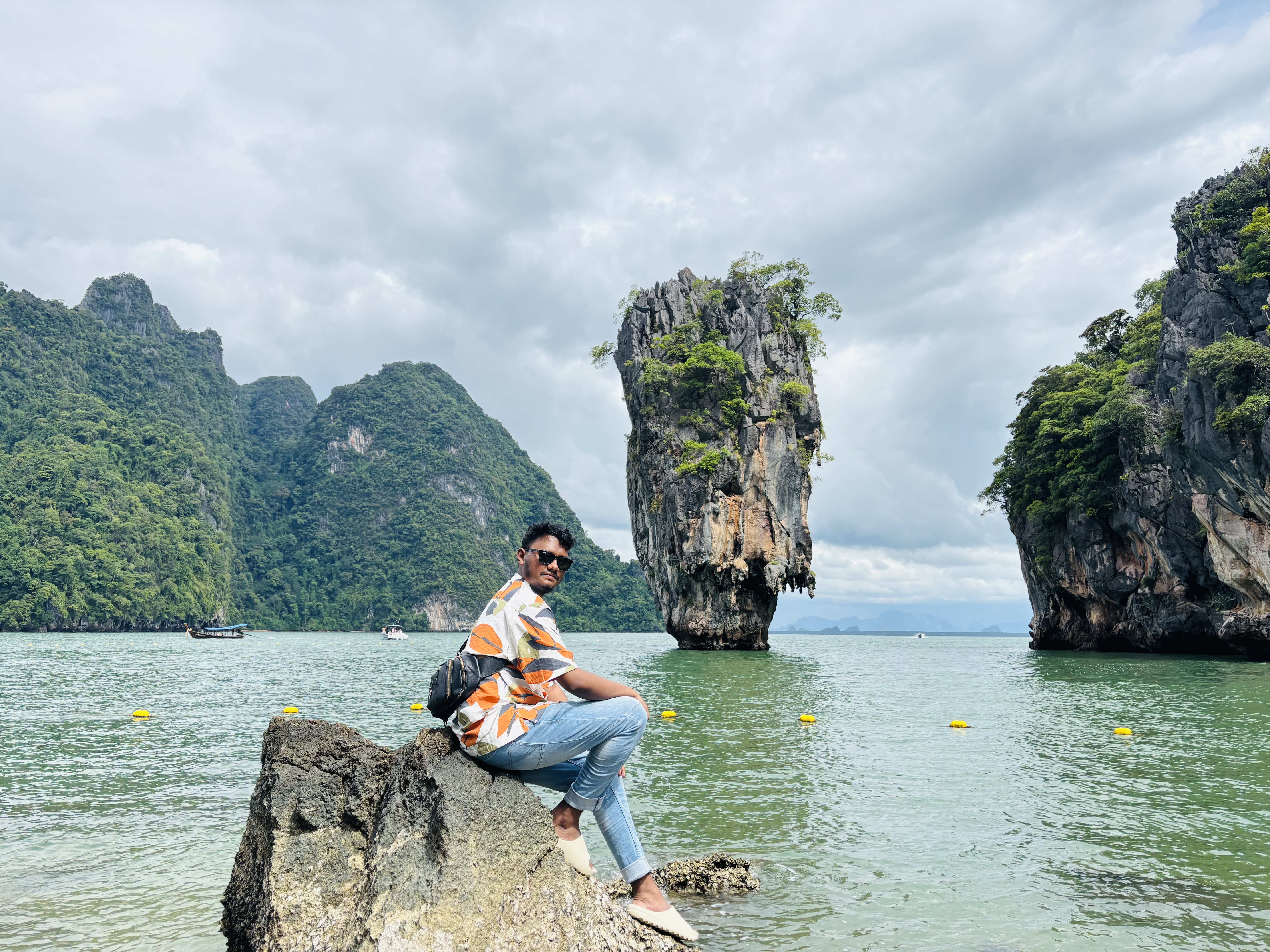
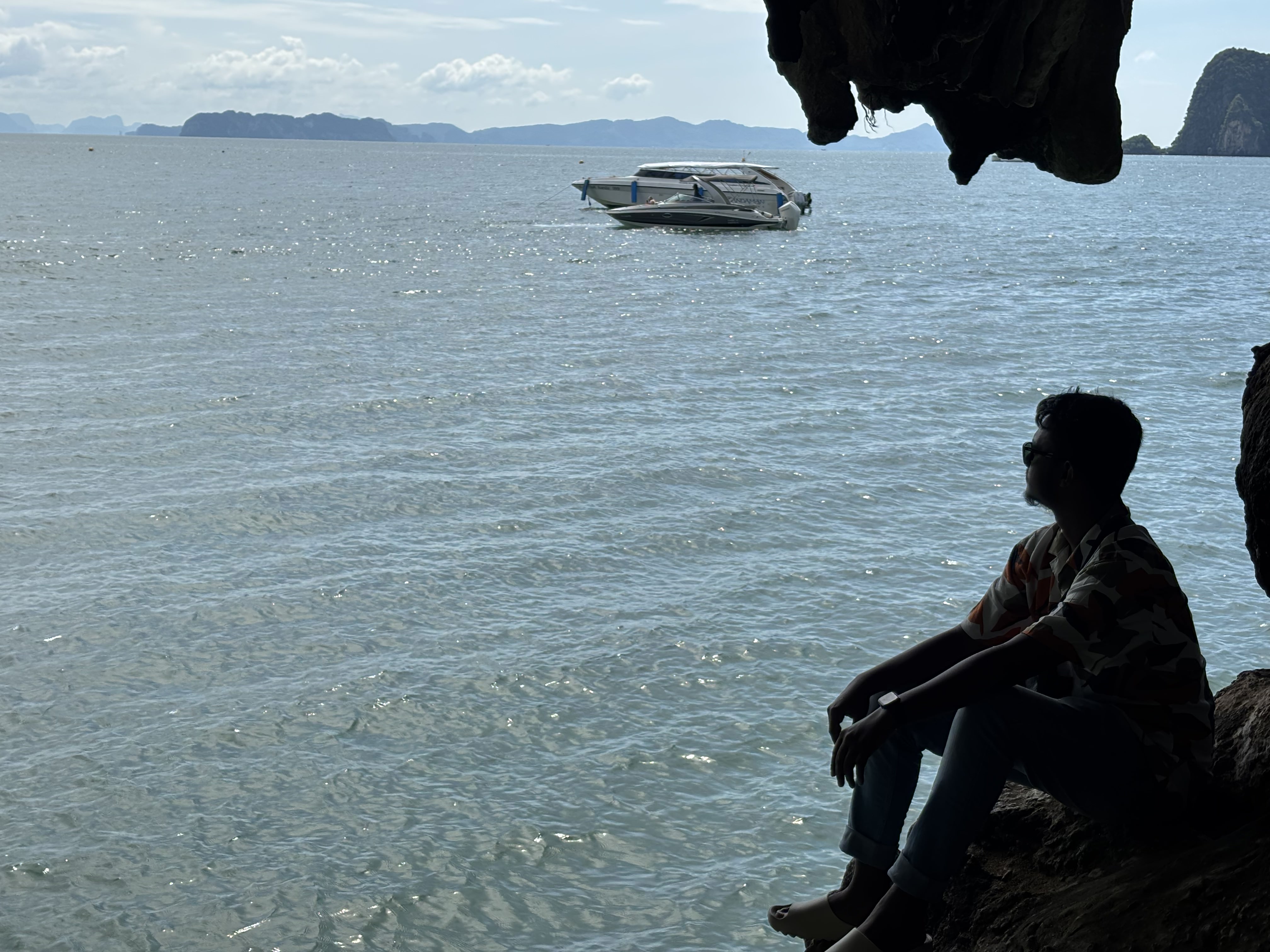
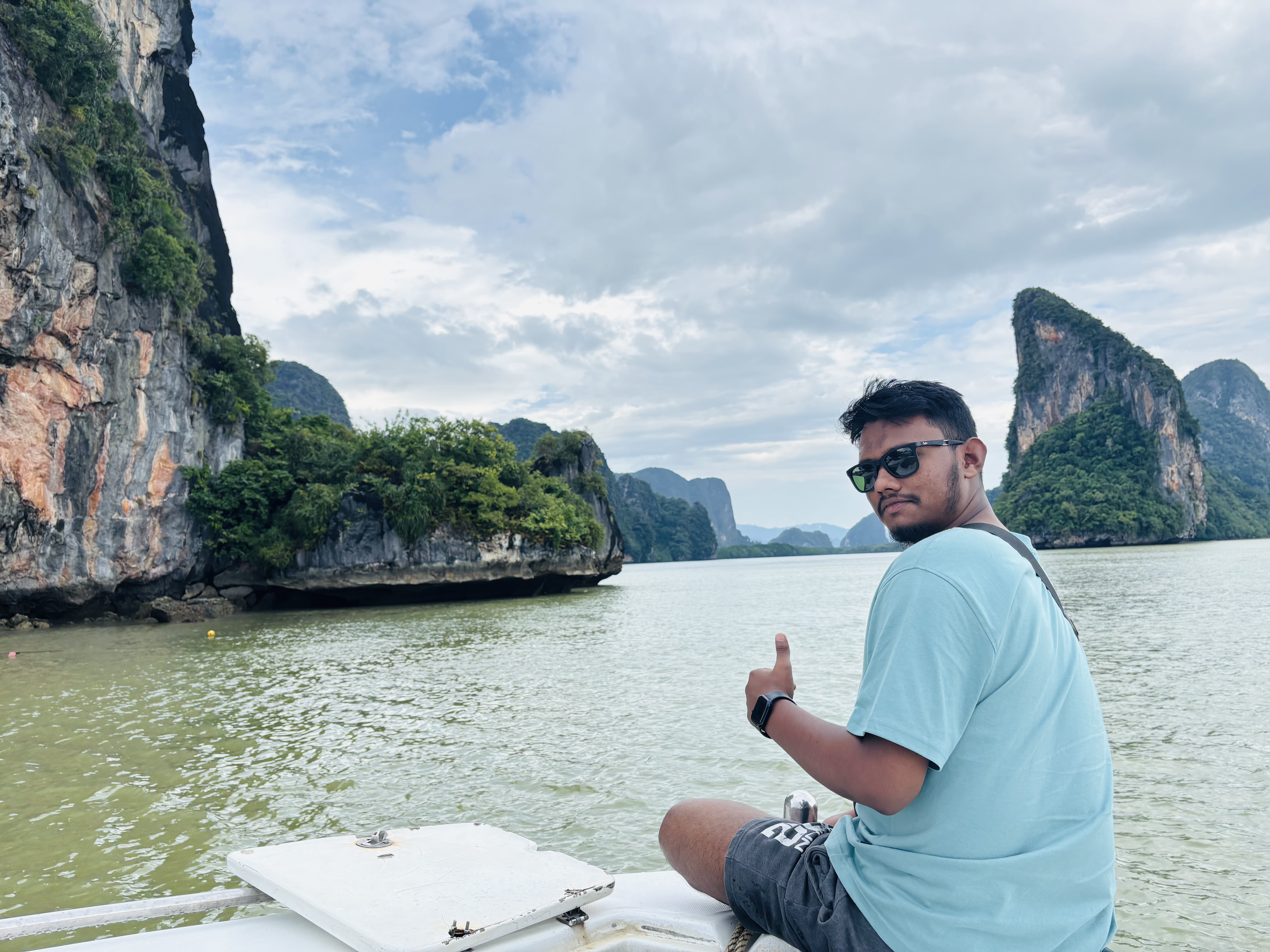
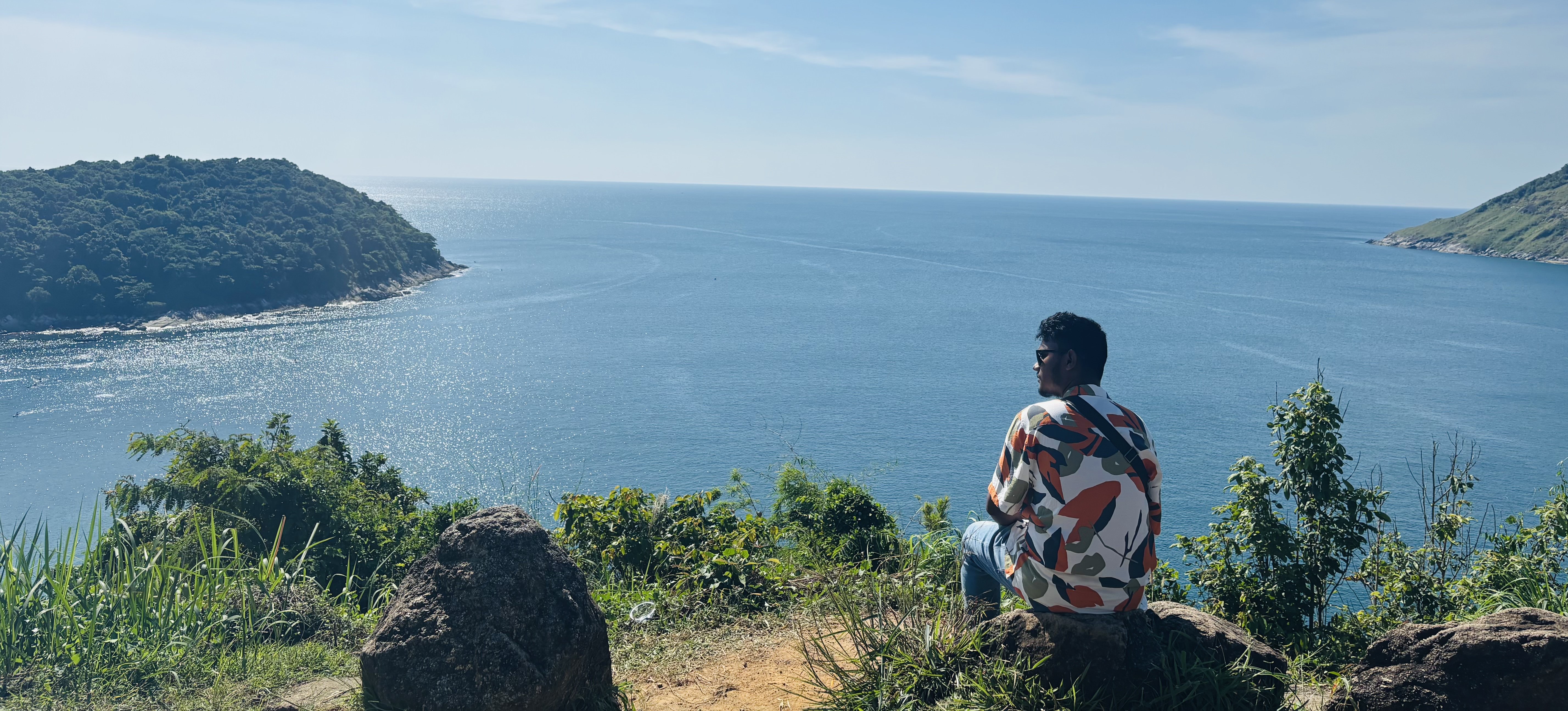
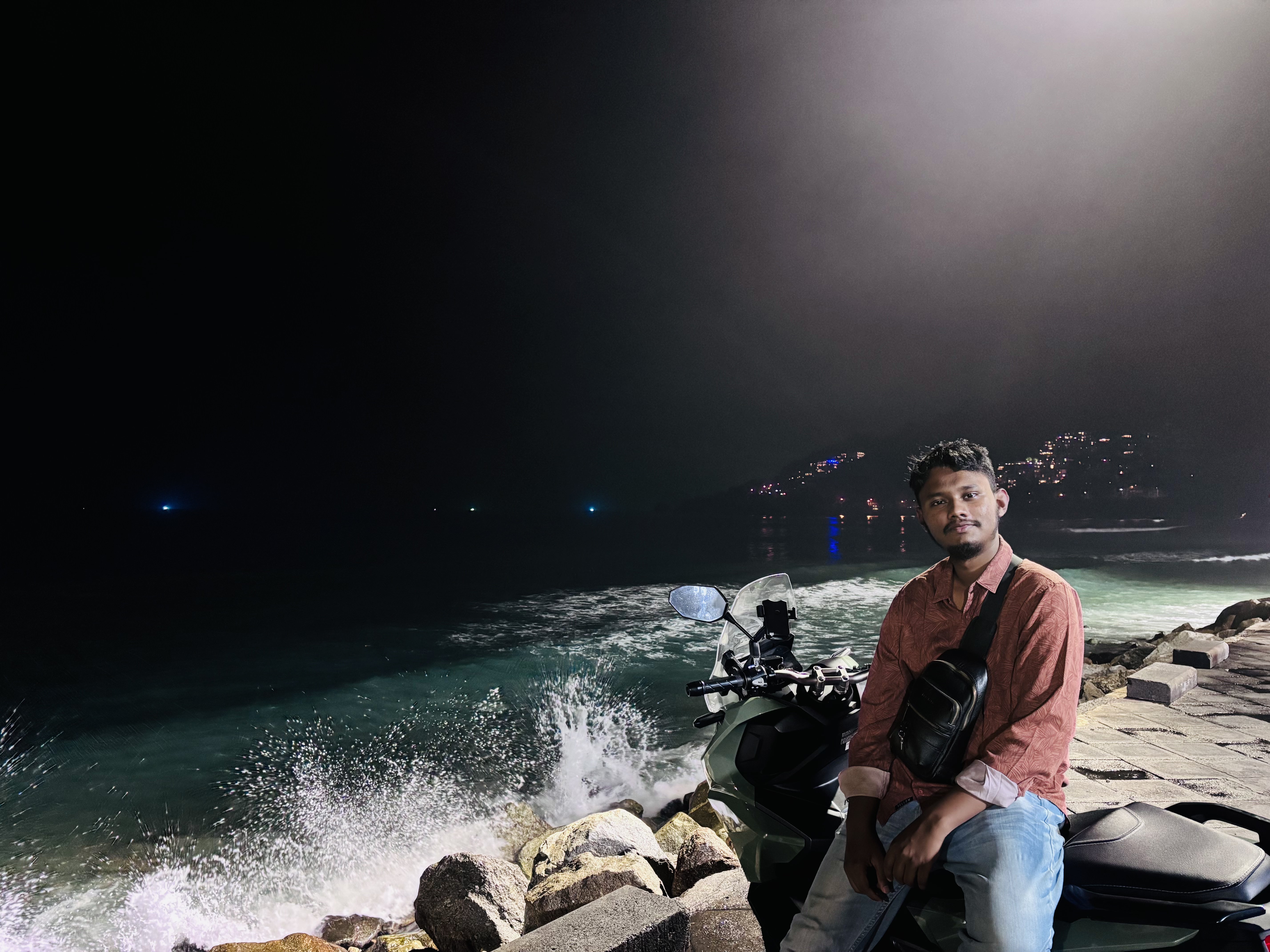
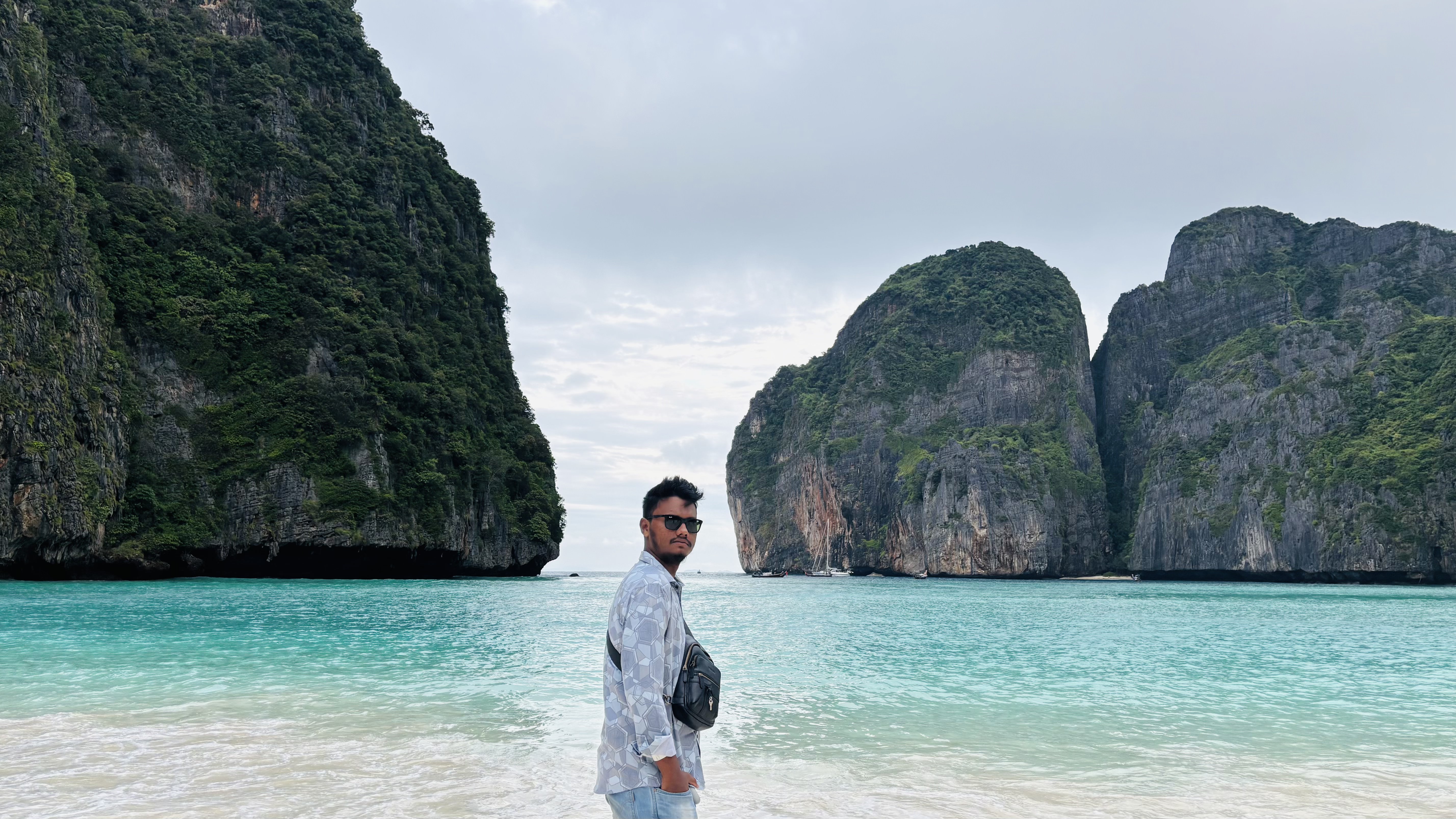
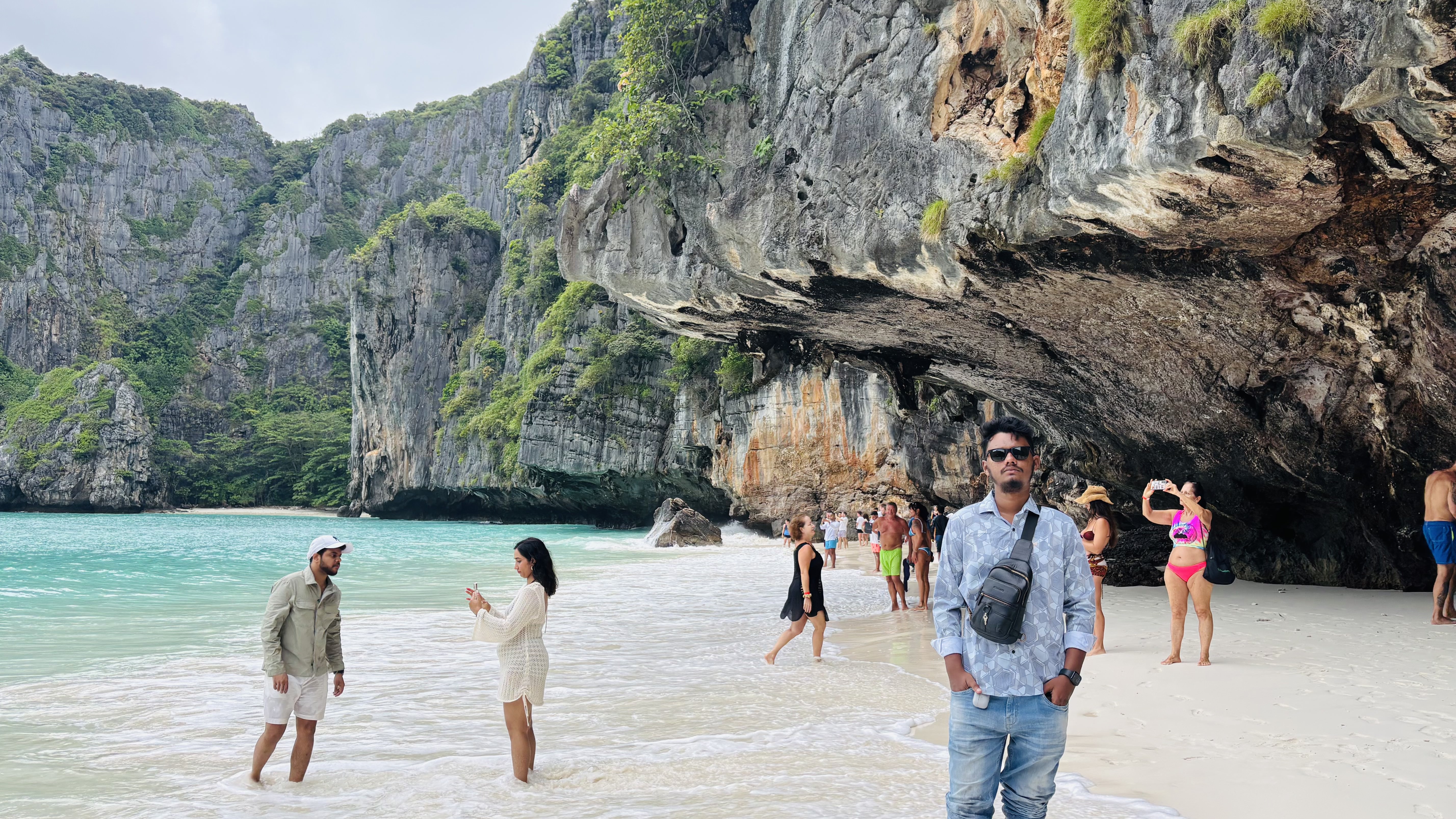
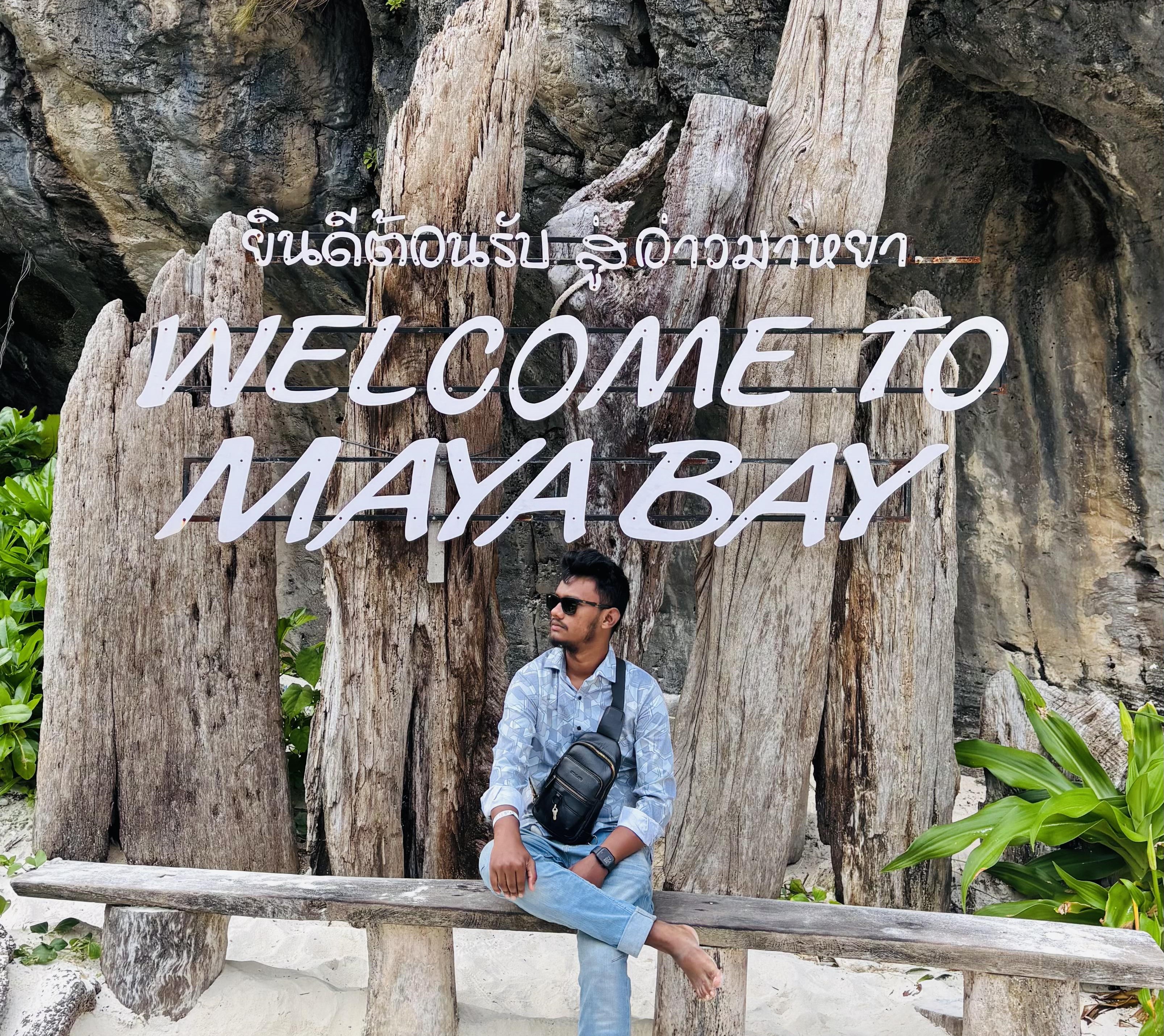
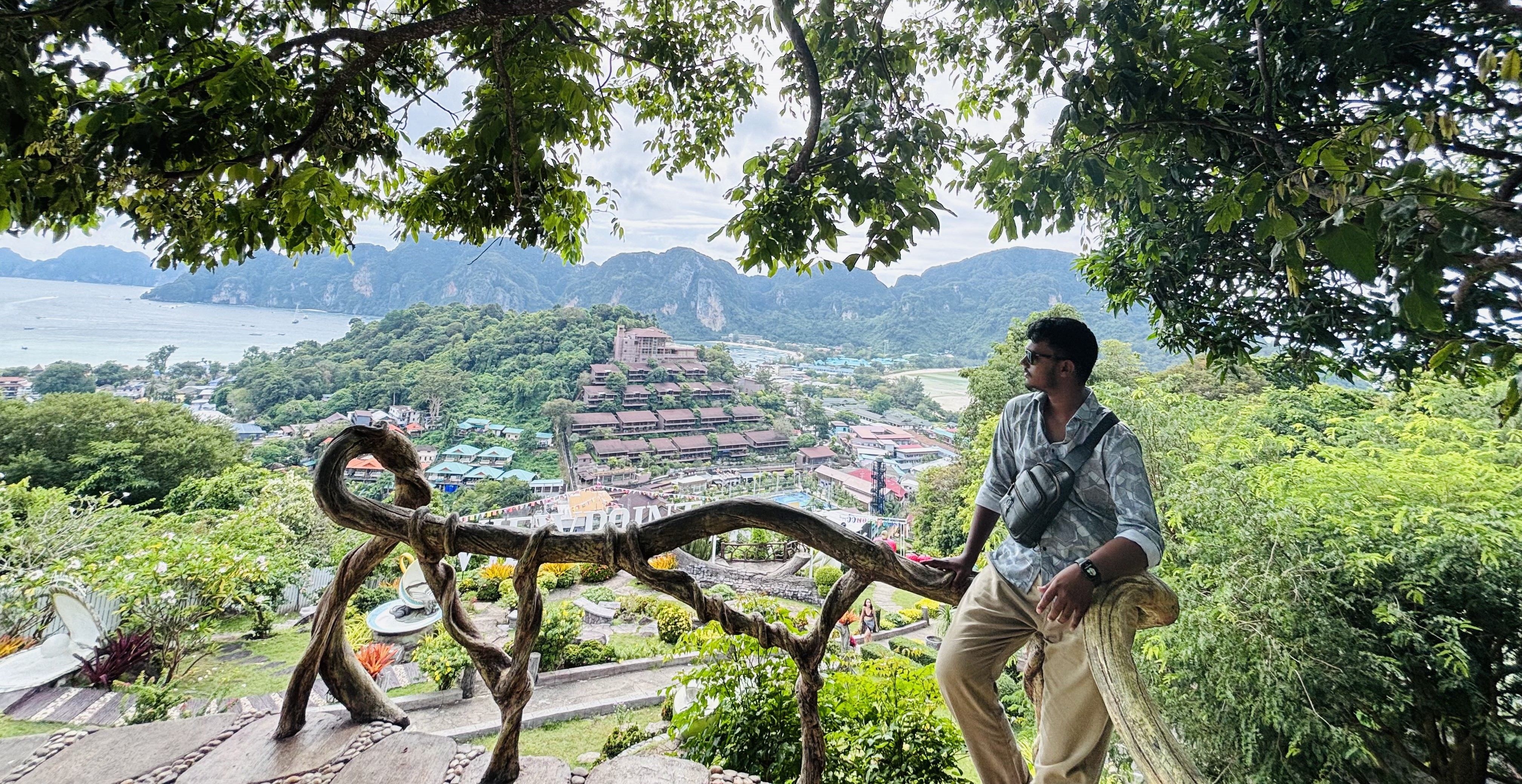
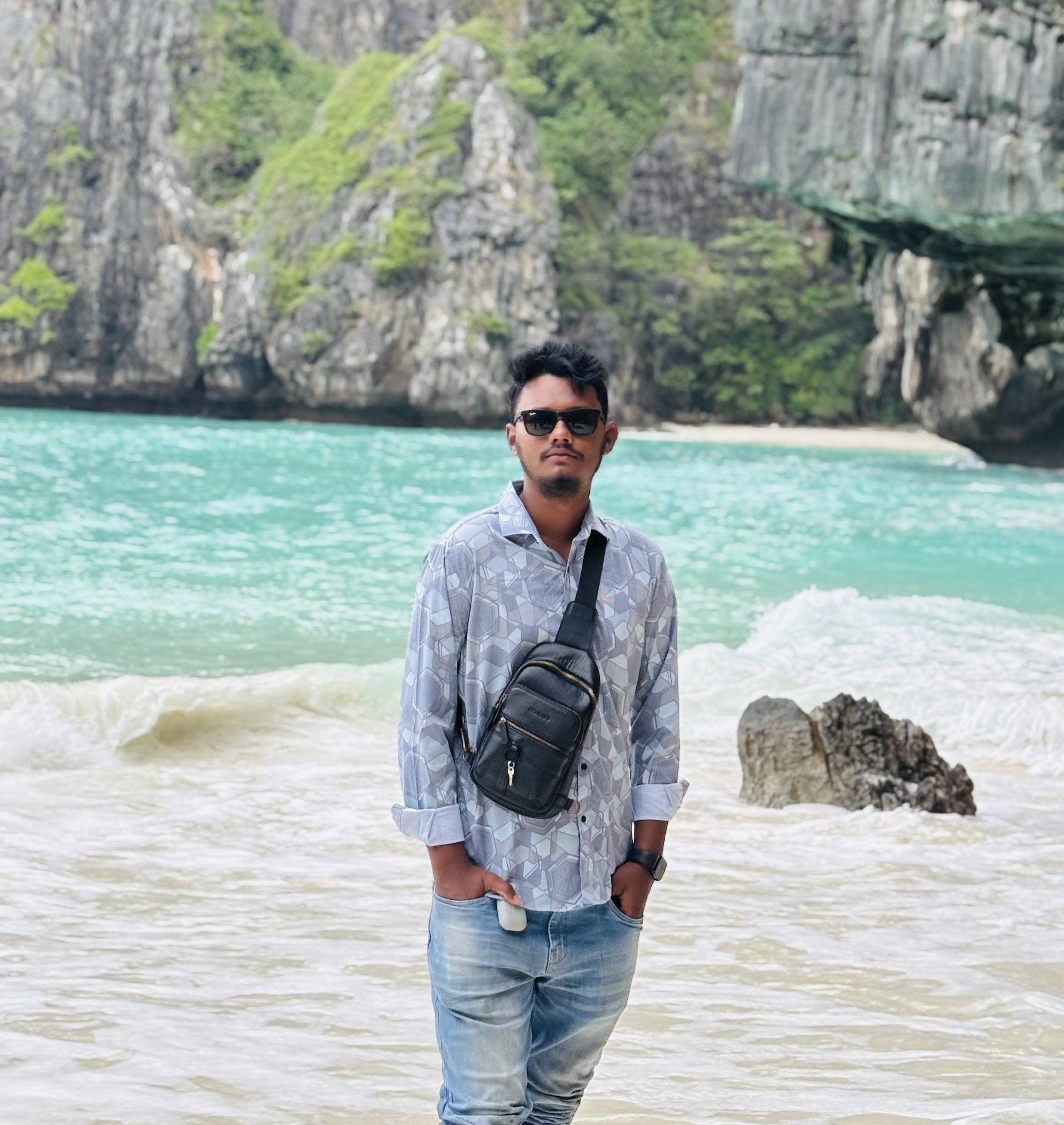
Thailand is a mesmerizing destination in Southeast Asia where rich cultural heritage seamlessly blends with ultra-modern urban life. Globally renowned for its warm hospitality and vibrant atmosphere, the country proudly showcases its deep-rooted traditions through magnificent, intricately designed Buddhist temples like Wat Arun and Wat Pho. In the capital city of Bangkok, soaring modern skyscrapers stand in dynamic contrast alongside historic grand palaces, busy traditional Tuk-Tuks, and the serene flow of the Chao Phraya River. For food enthusiasts, Thailand is an absolute paradise, thriving with bustling night markets and floating markets that offer an incredible array of world-famous street food, including iconic dishes like Pad Thai, Tom Yum soup, and authentic Thai curries. Beyond the urban energy, spectacular island escapes like Phuket and the Phi Phi Islands offer breathtaking natural beauty with pristine white-sand beaches and crystal-clear turquoise waters perfect for snorkeling and island hopping. Whether it is exploring complex infrastructure or relaxing along the tropical coast, Thailand remains a dream destination that perfectly captures the unforgettable essence of exploration.


Malaysia
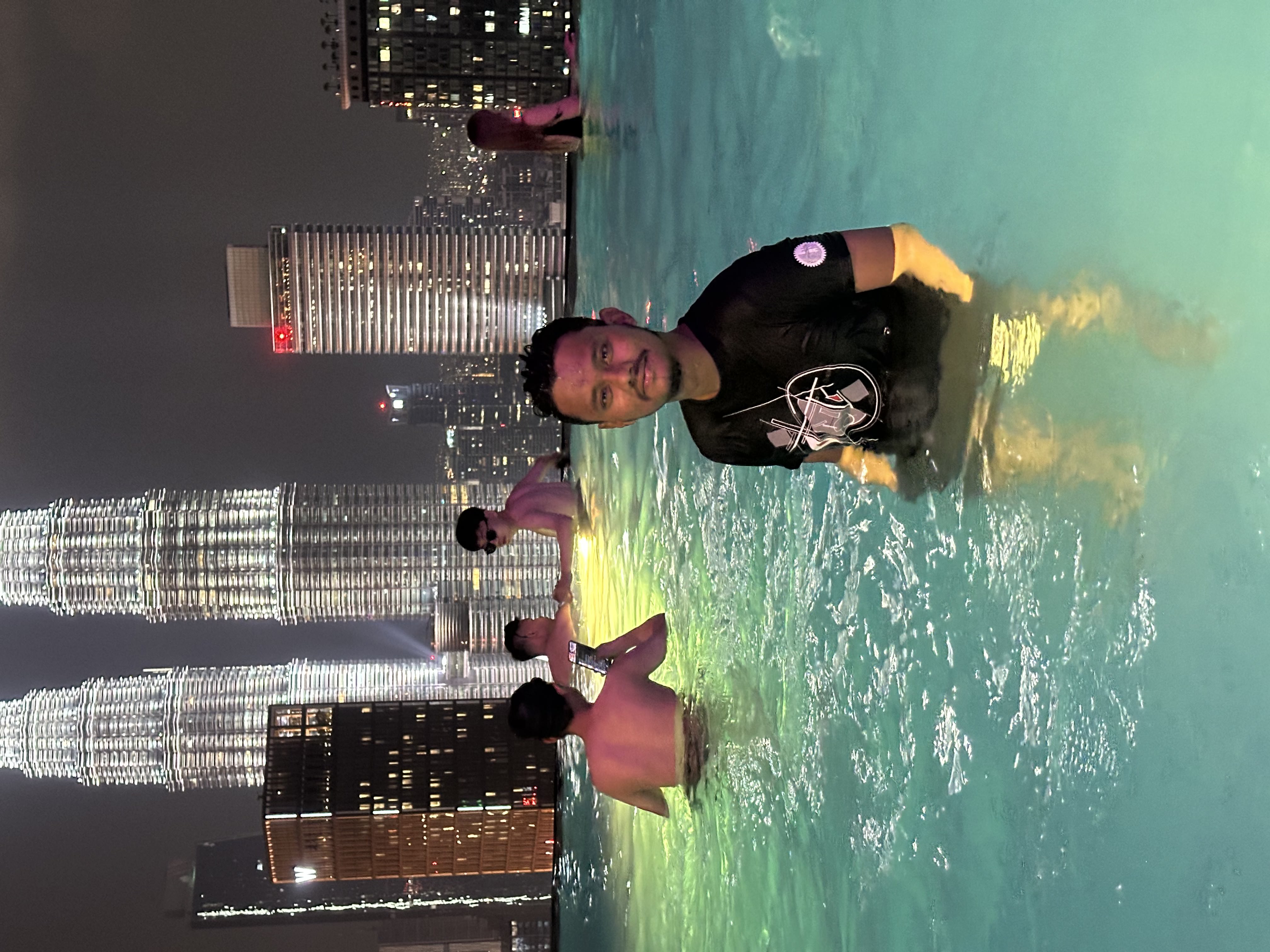
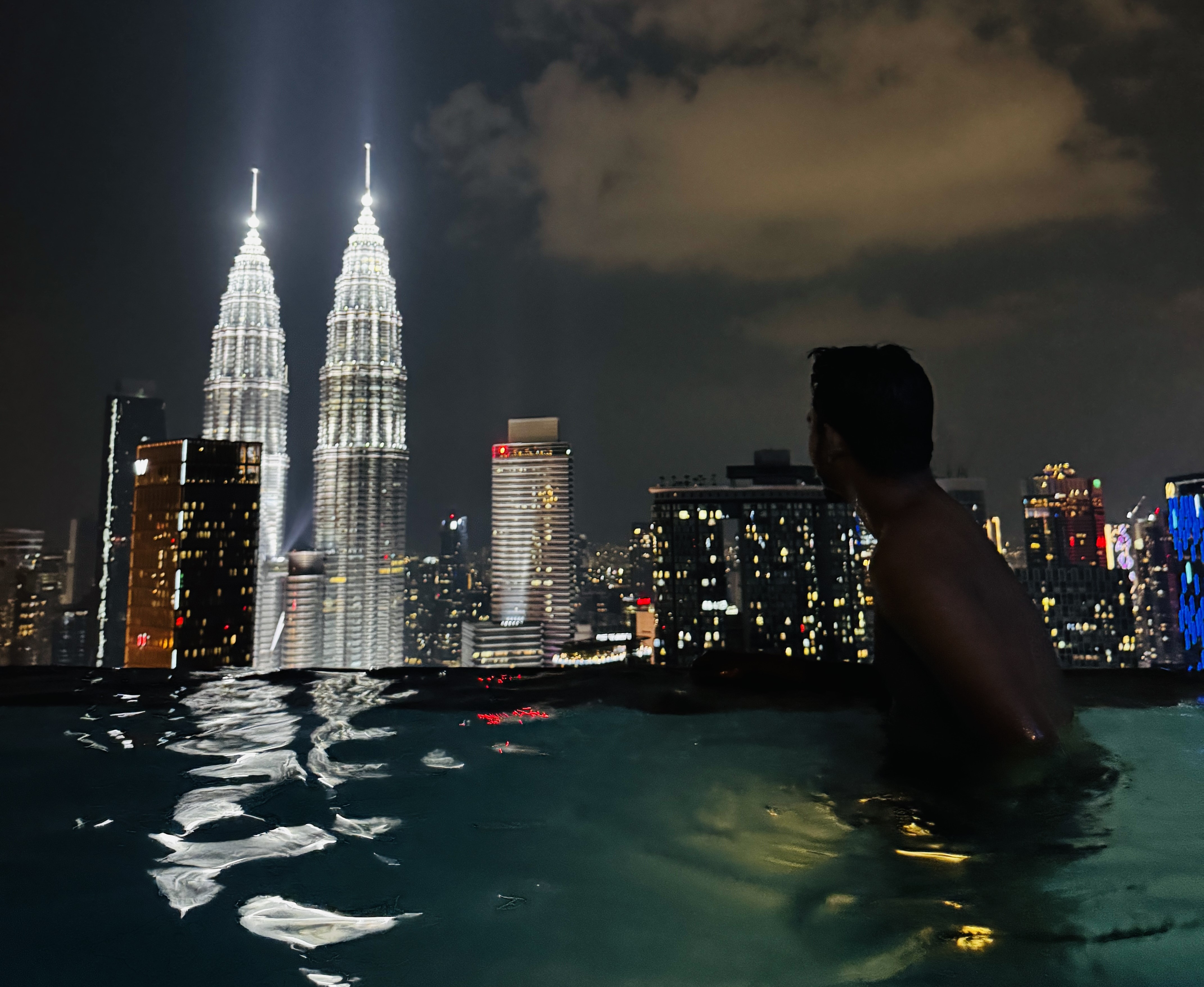
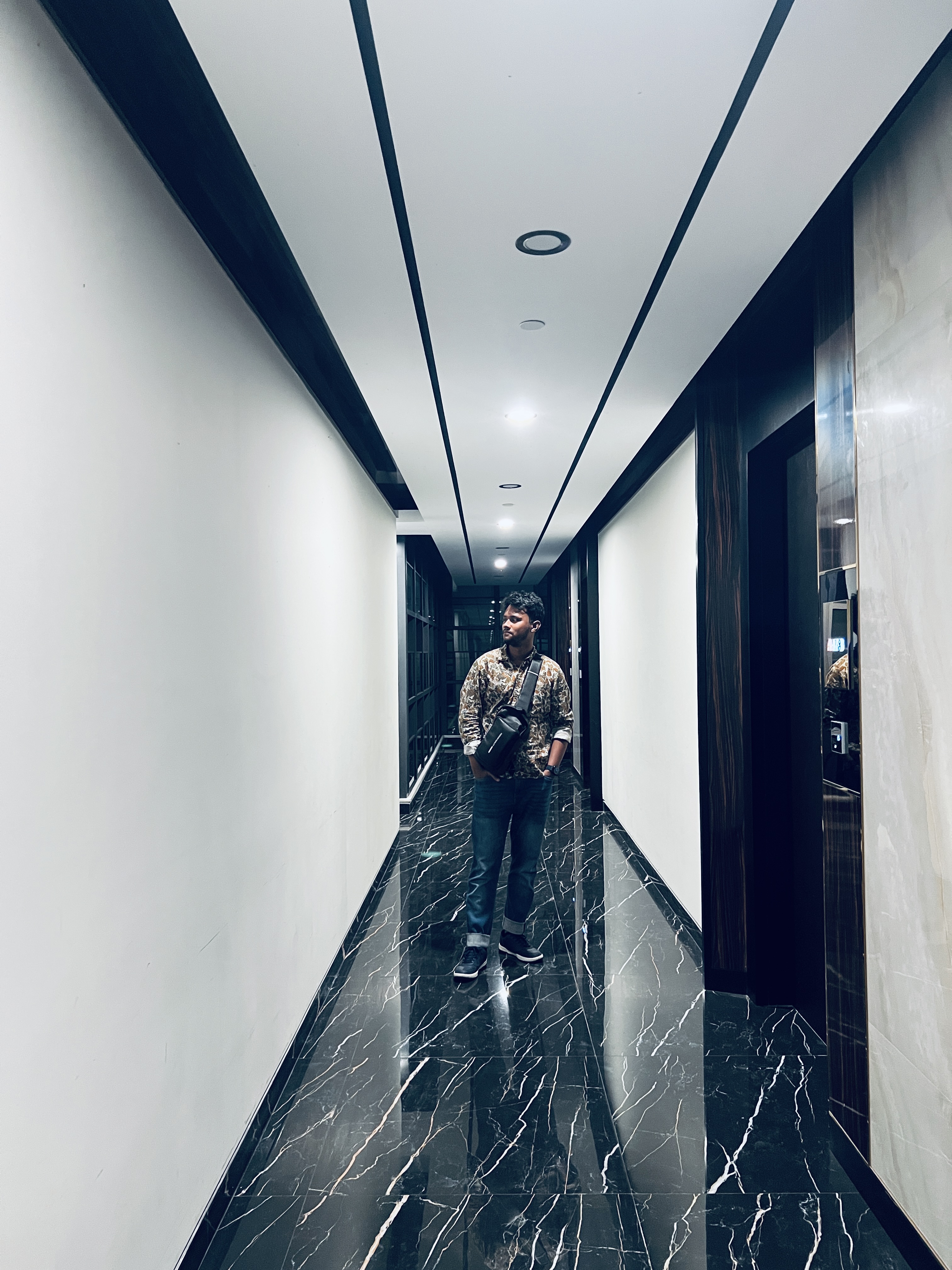
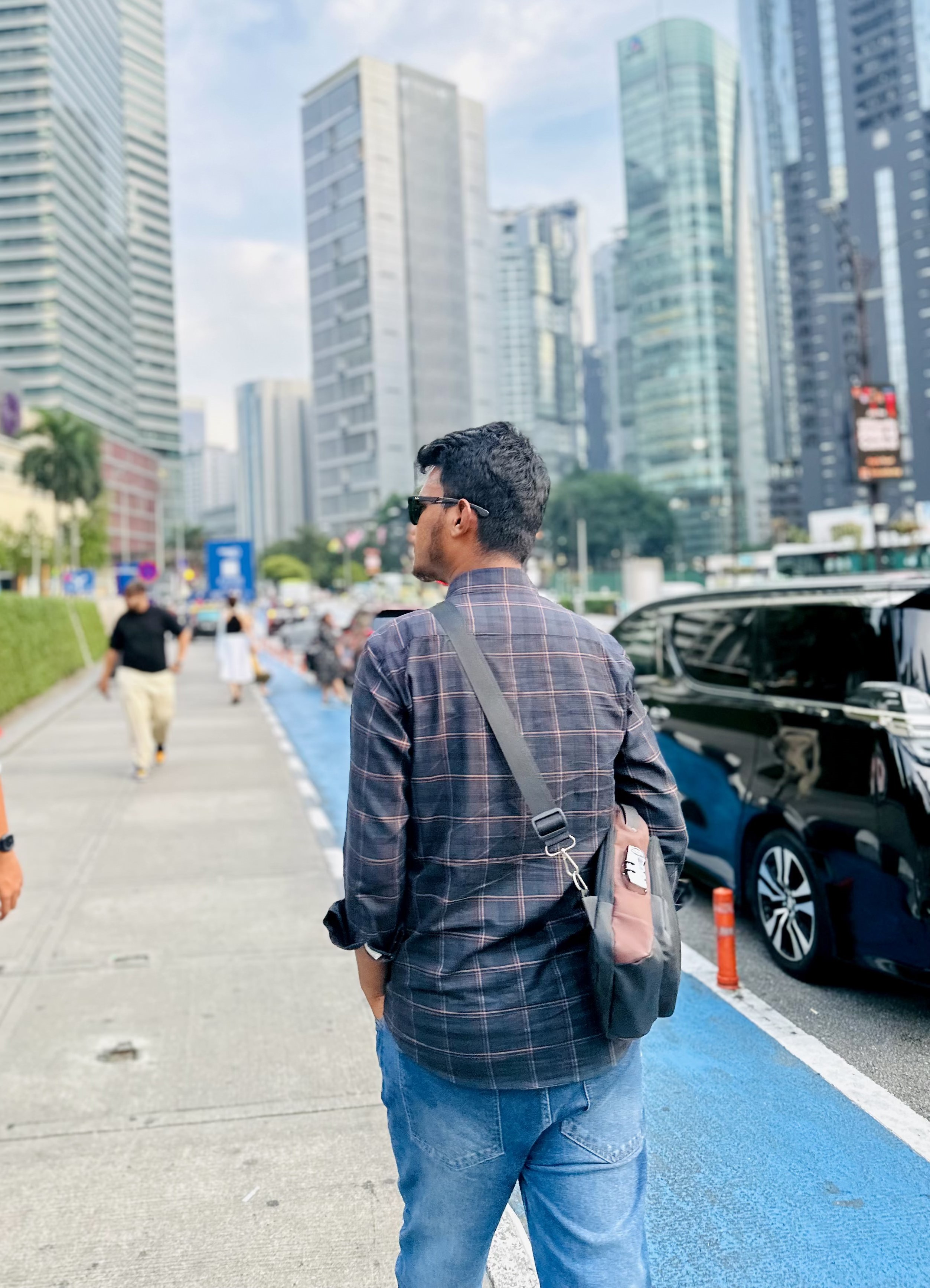
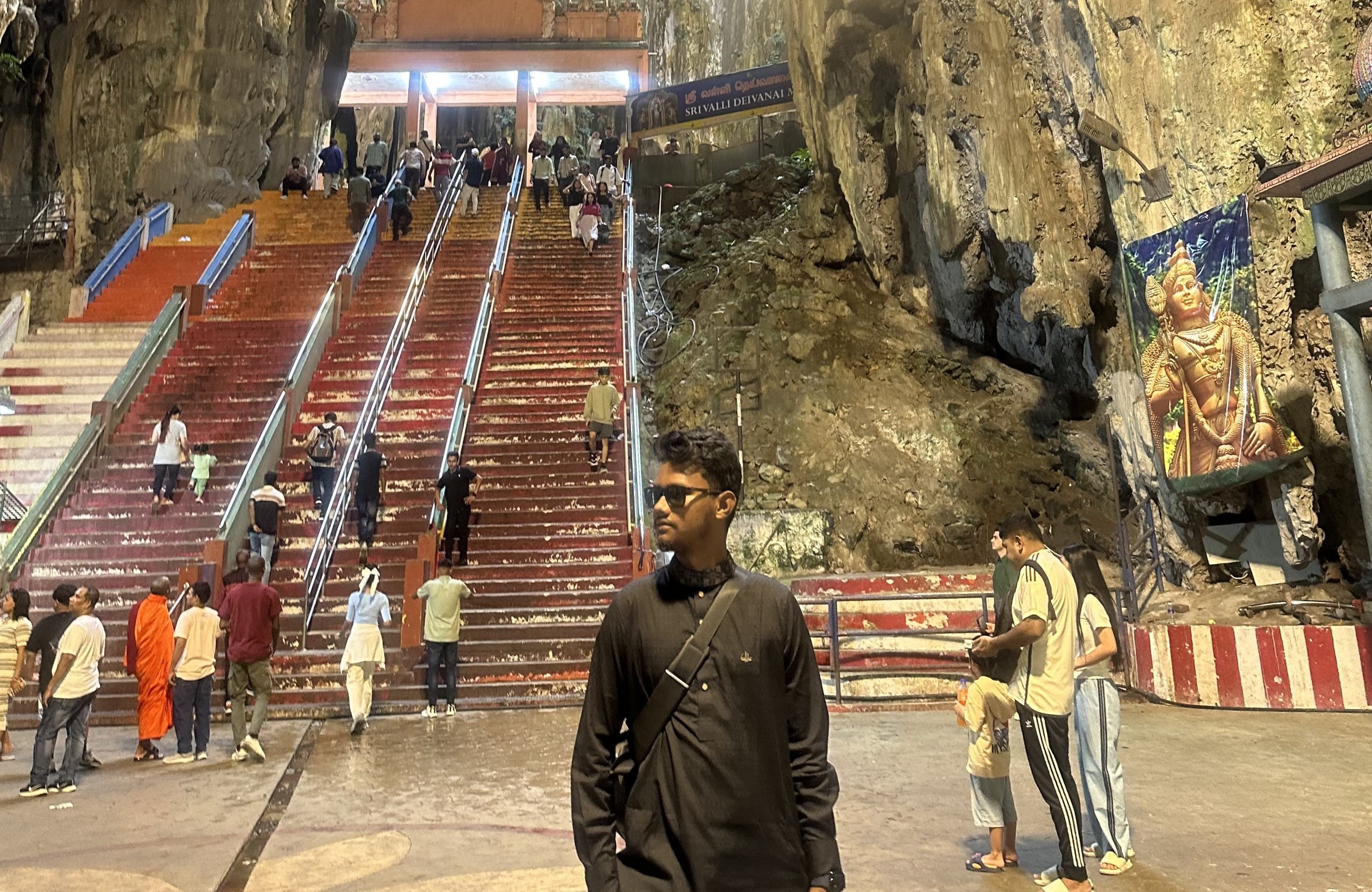
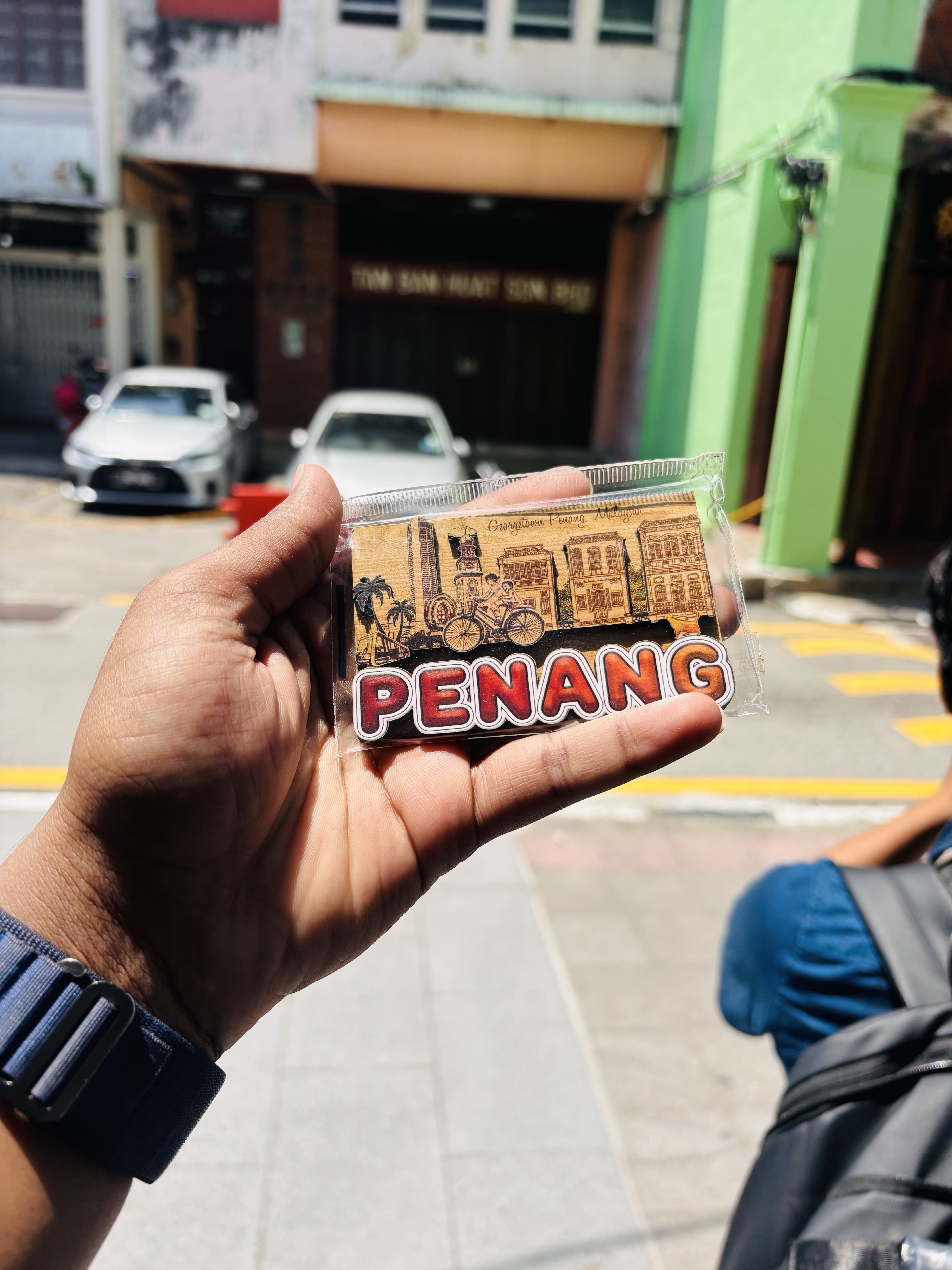
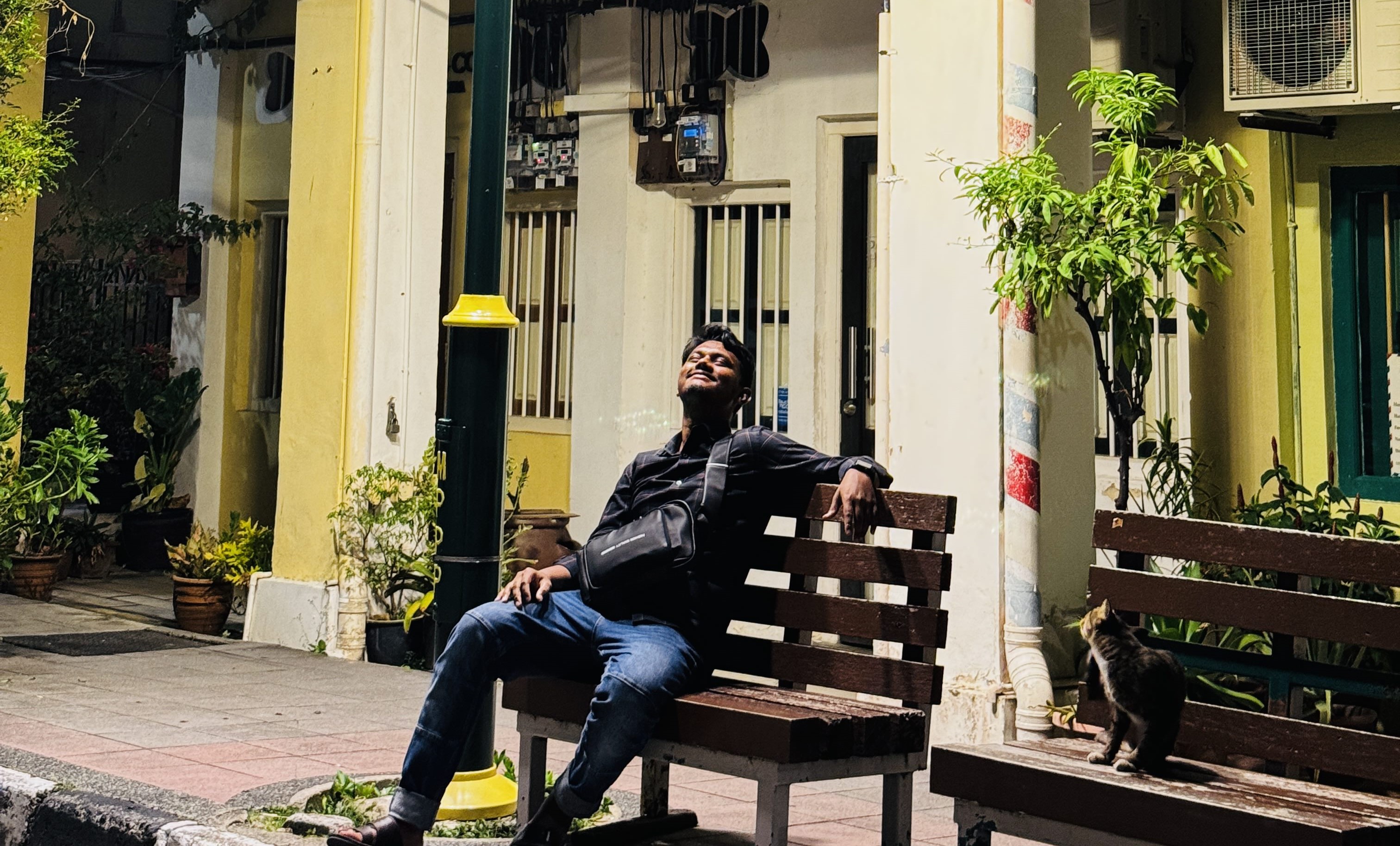
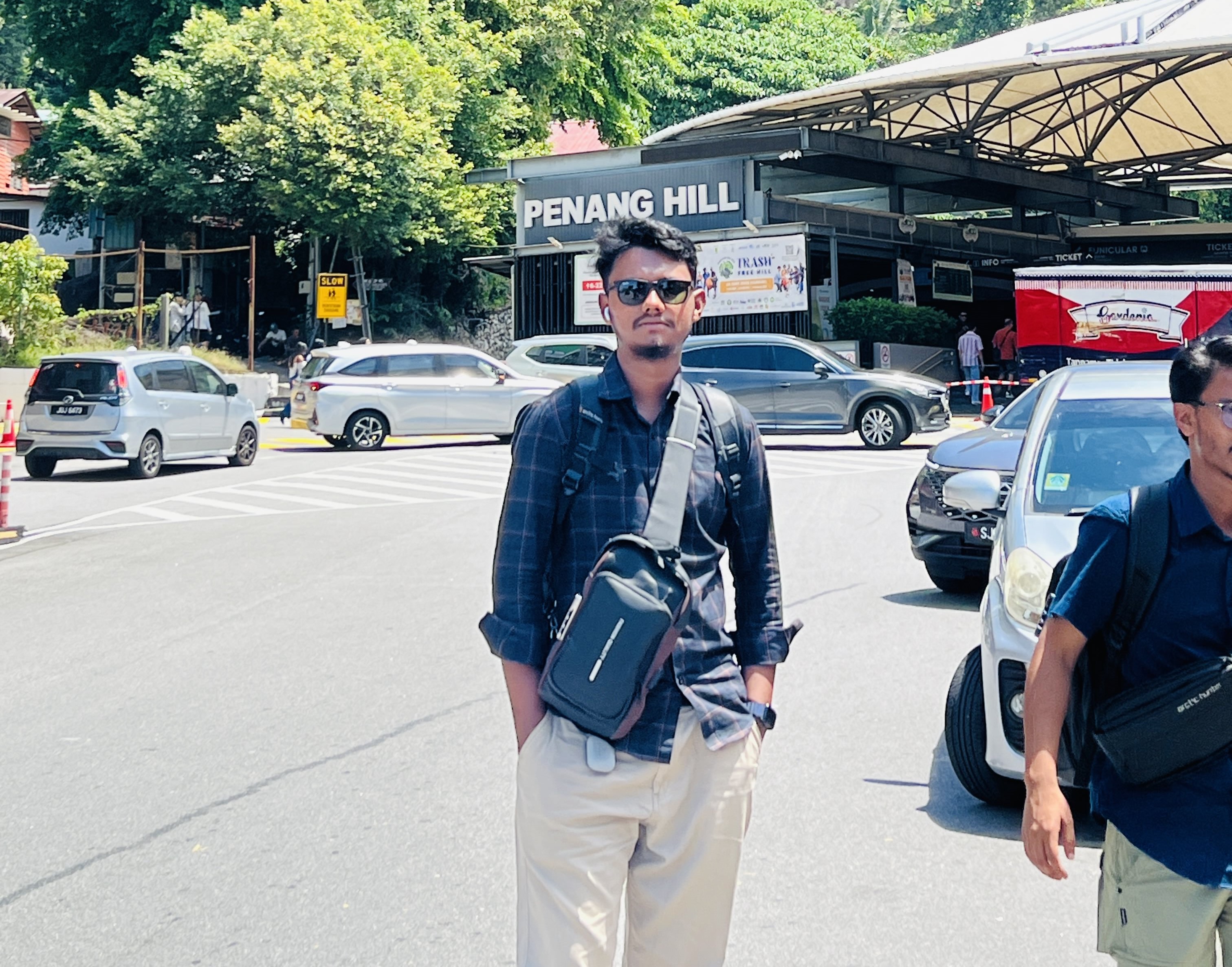
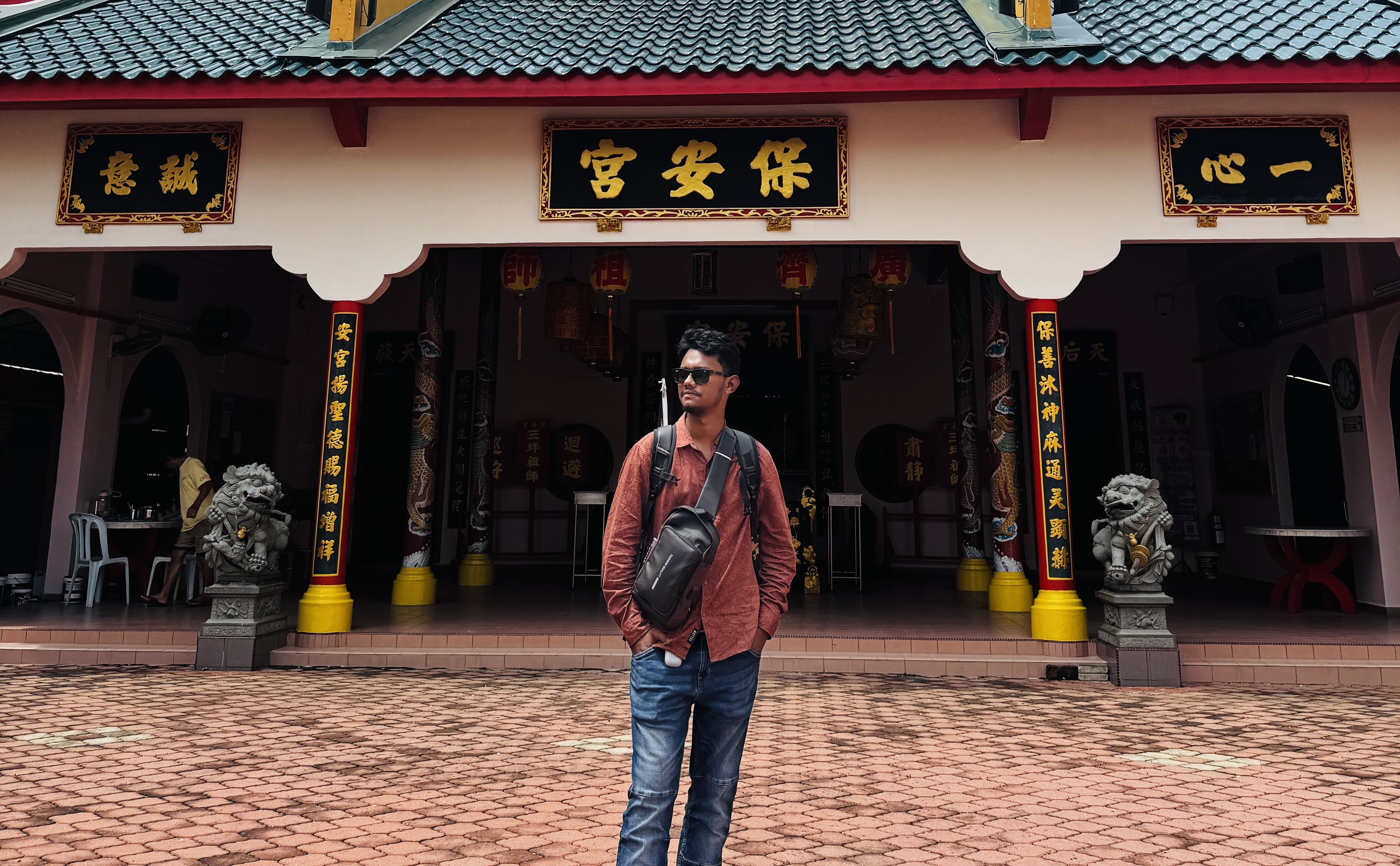
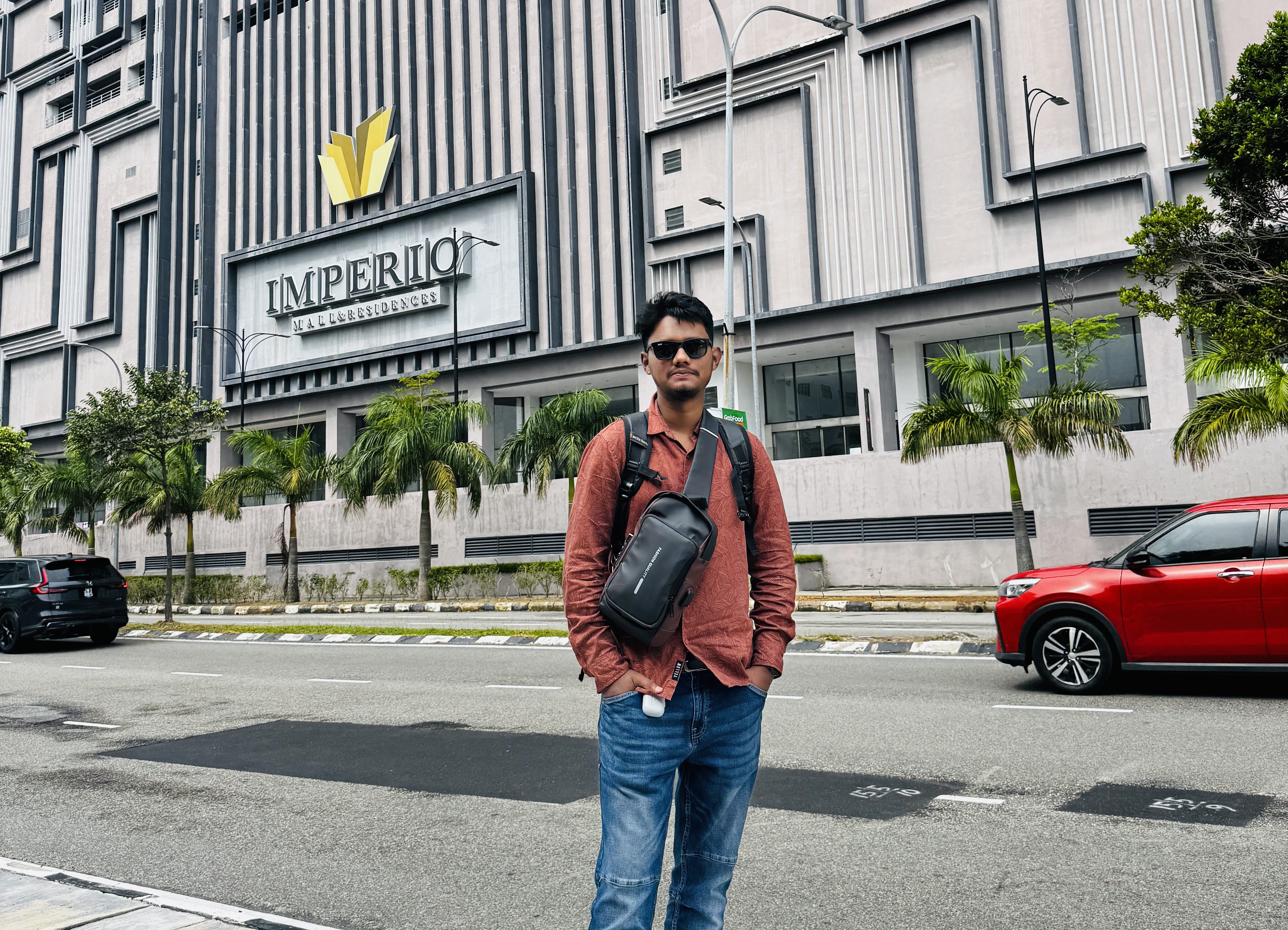
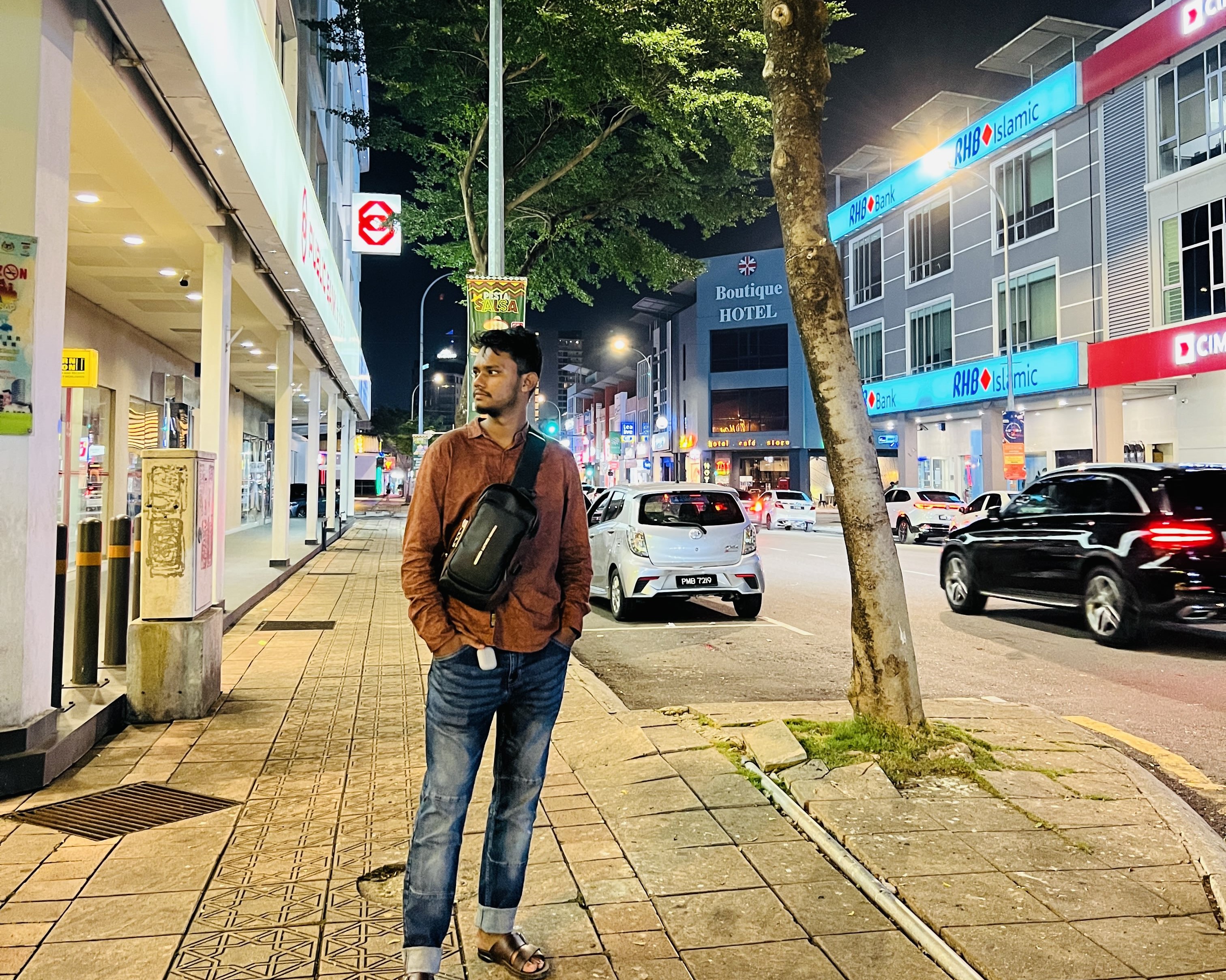
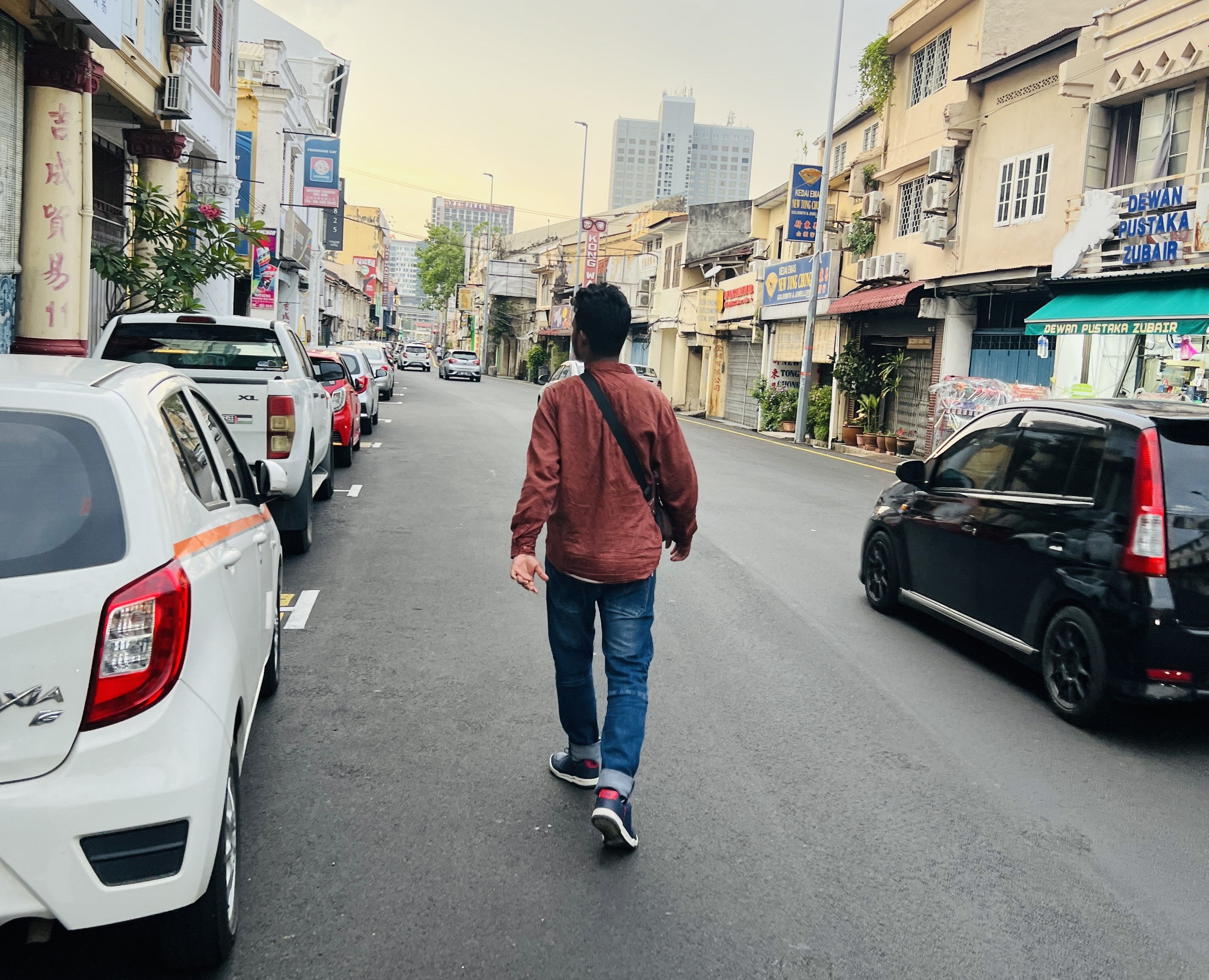
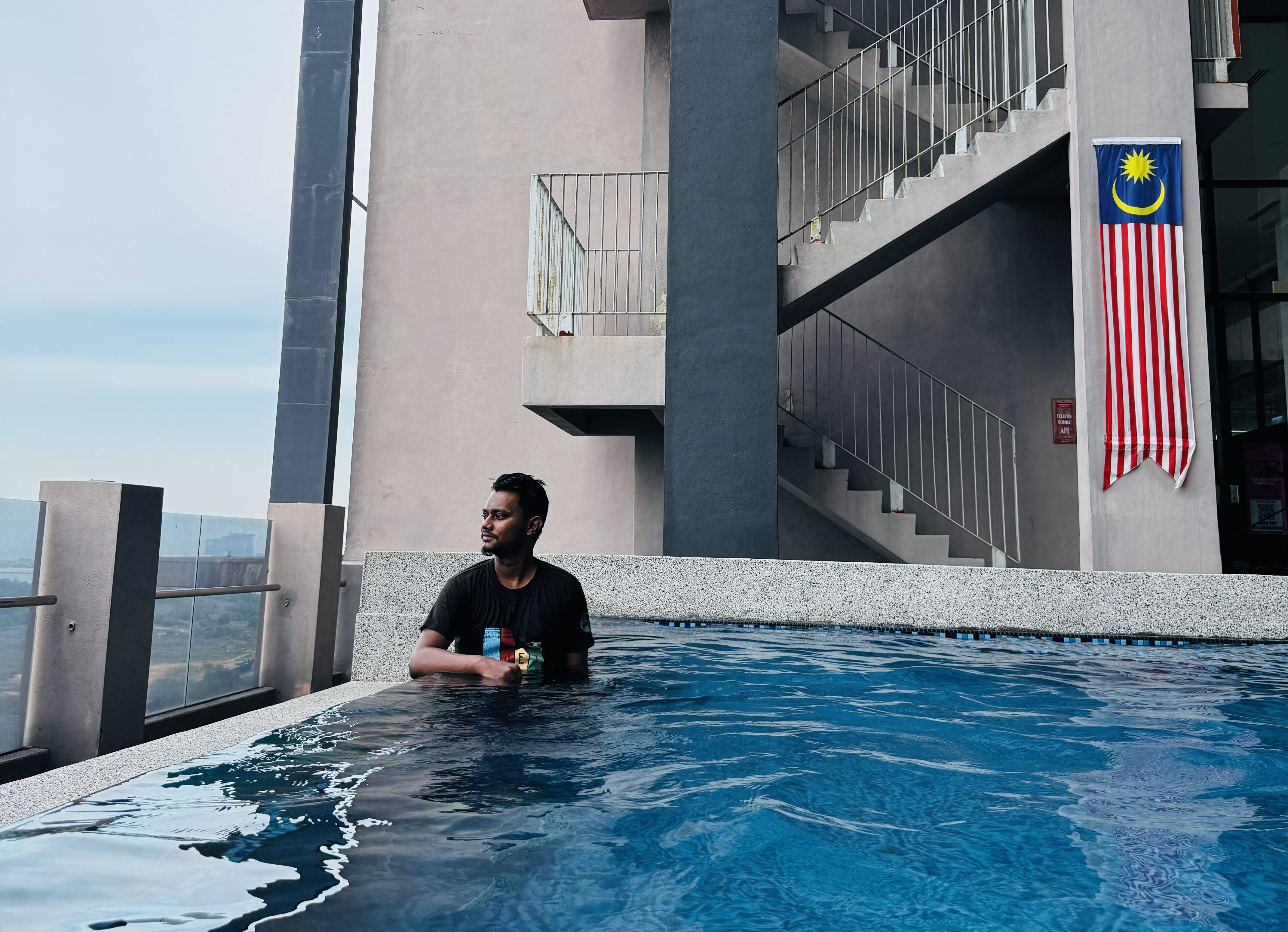
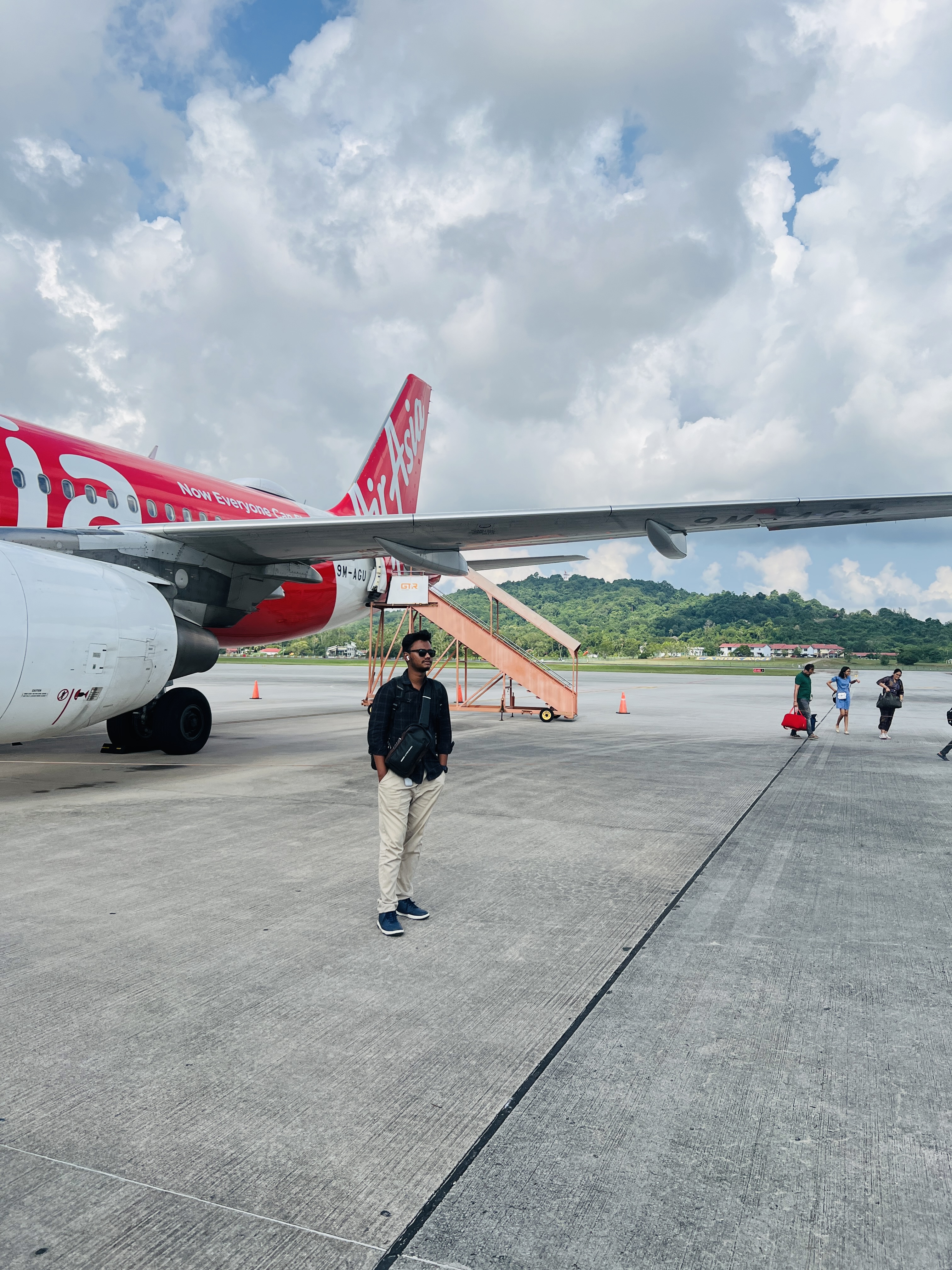
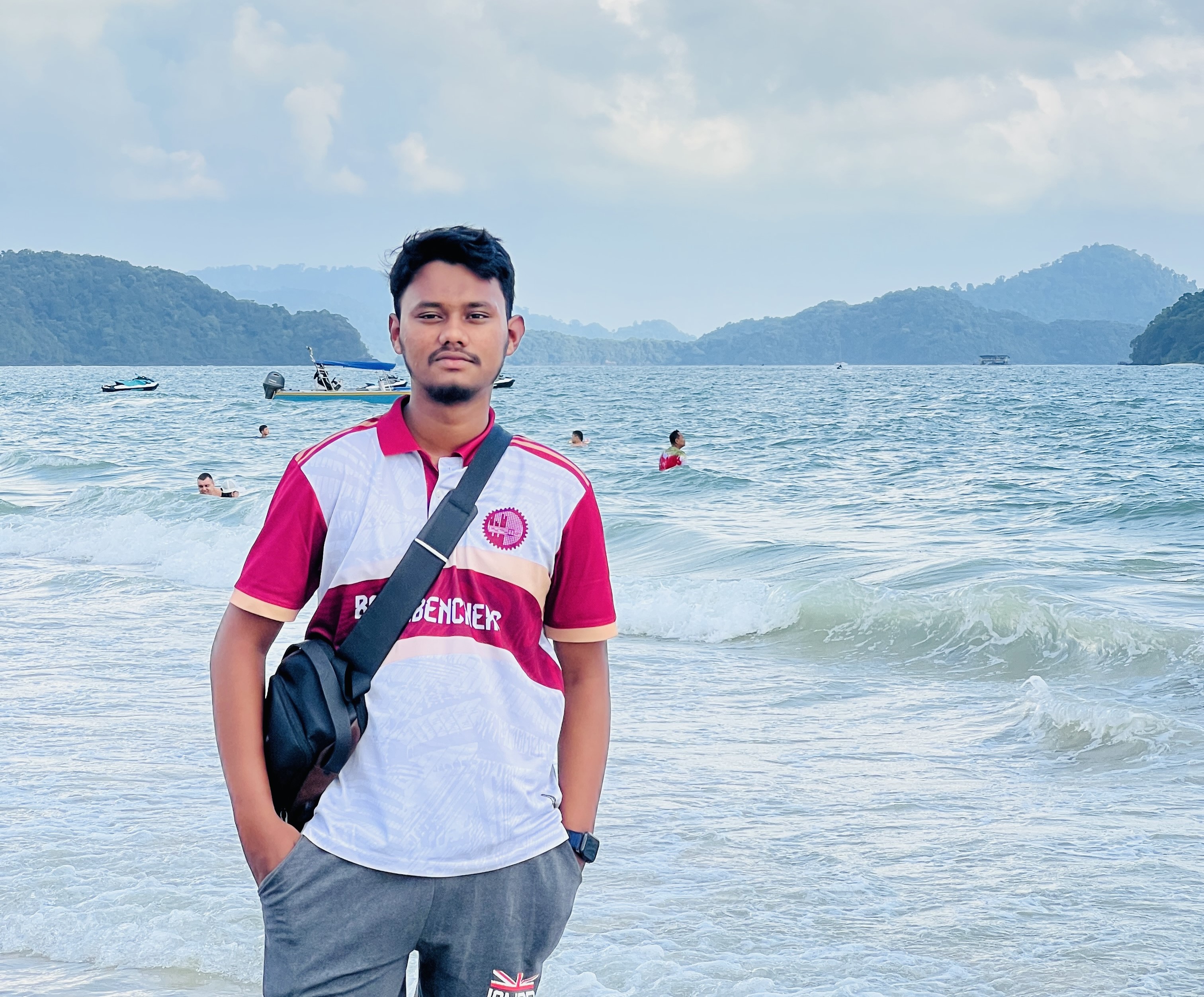
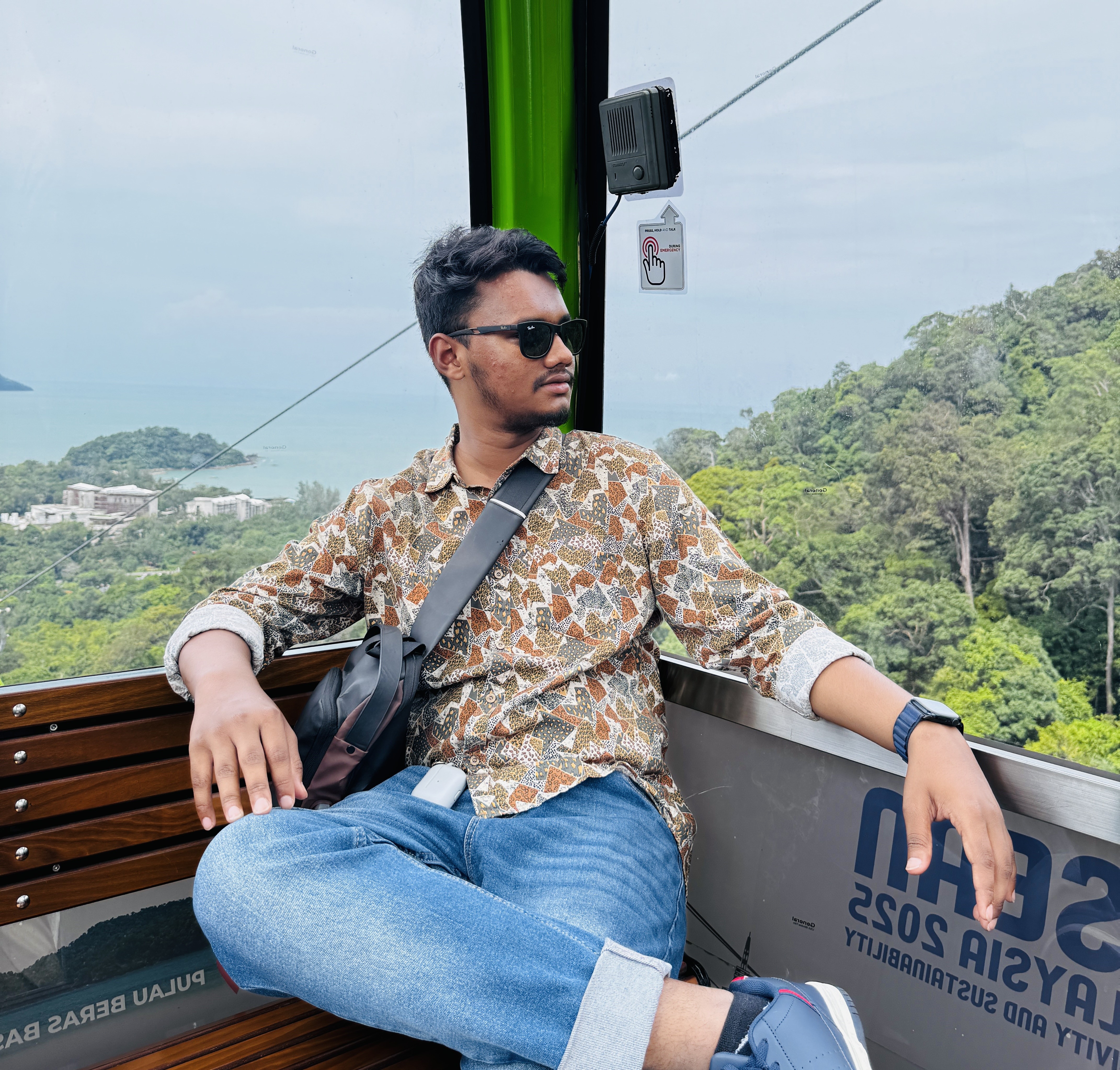
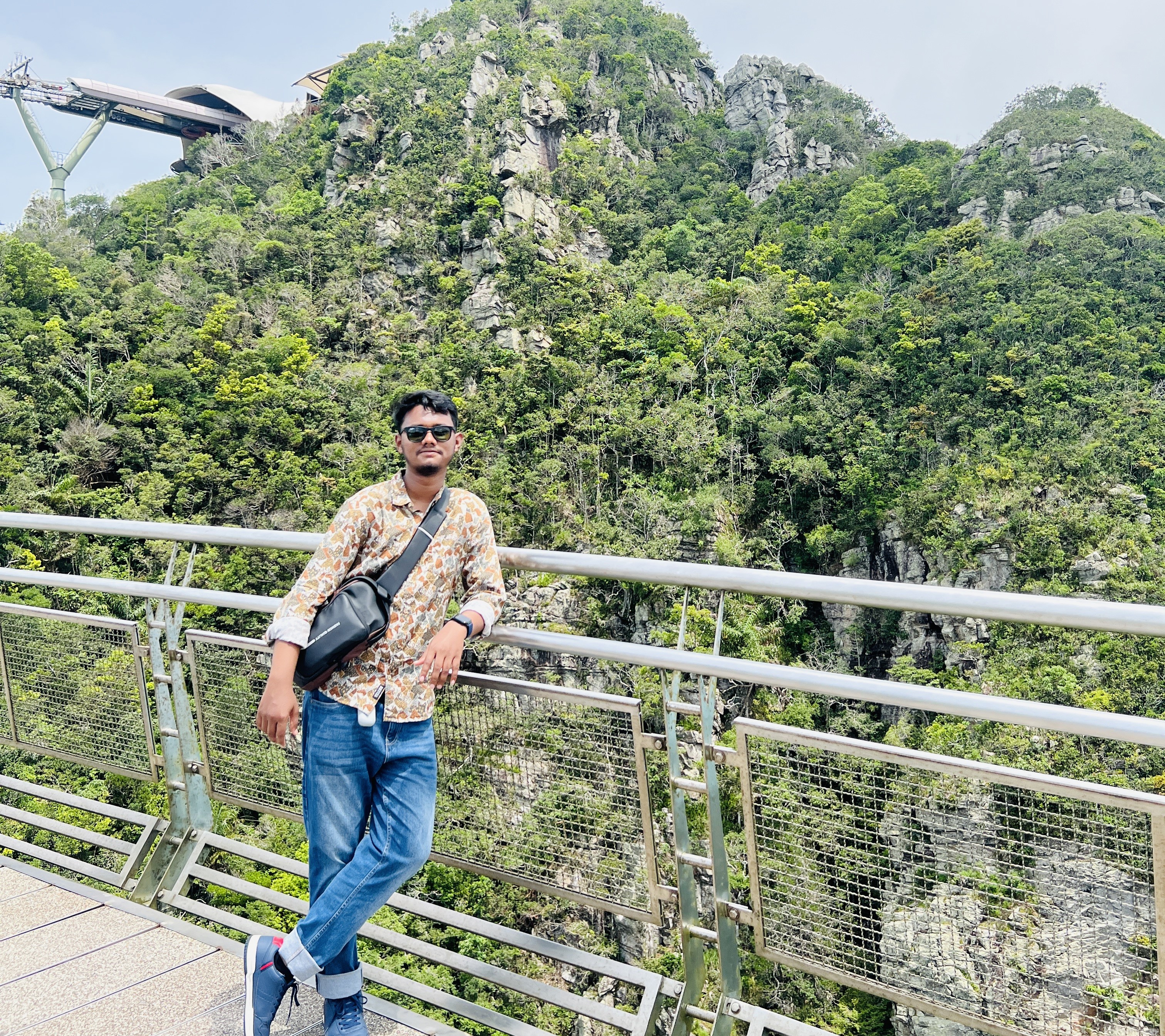
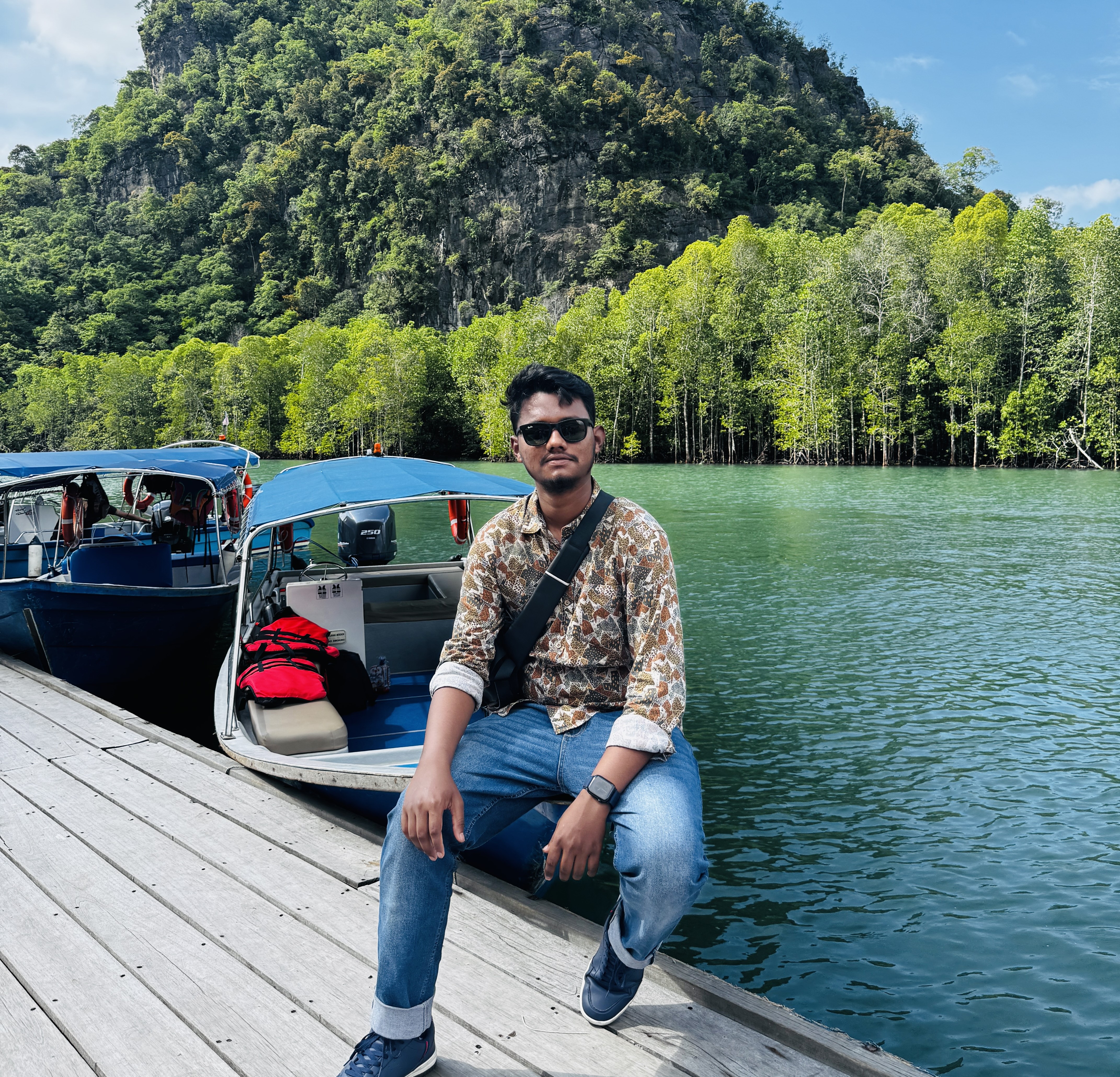
Malaysia is a captivating destination in Southeast Asia where breathtaking ultra-modern advancements perfectly harmonize with a rich, multicultural heritage. The country proudly showcases its technological and architectural engineering milestones through iconic landmarks like the Petronas Twin Towers. For food enthusiasts, Malaysia offers an absolute paradise, blending Malay, Chinese, and Indian influences into world-famous culinary street food experiences, including signature dishes like Nasi Lemak, Char Kway Teow, and flavorful Laksa. Beyond the dynamic urban landscape, the country is home to stunning natural wonders, from the serene, tea-covered hills of the Cameron Highlands to pristine tropical island escapes like Langkawi, perfect for exploration and relaxation. Whether marveling at complex city infrastructure, exploring historical UNESCO World Heritage sites in Penang, or immersing oneself in its diverse cultural fusion, Malaysia offers a unique, inspiring perspective on global exploration.
Domestic Tours

Cox's Bazar
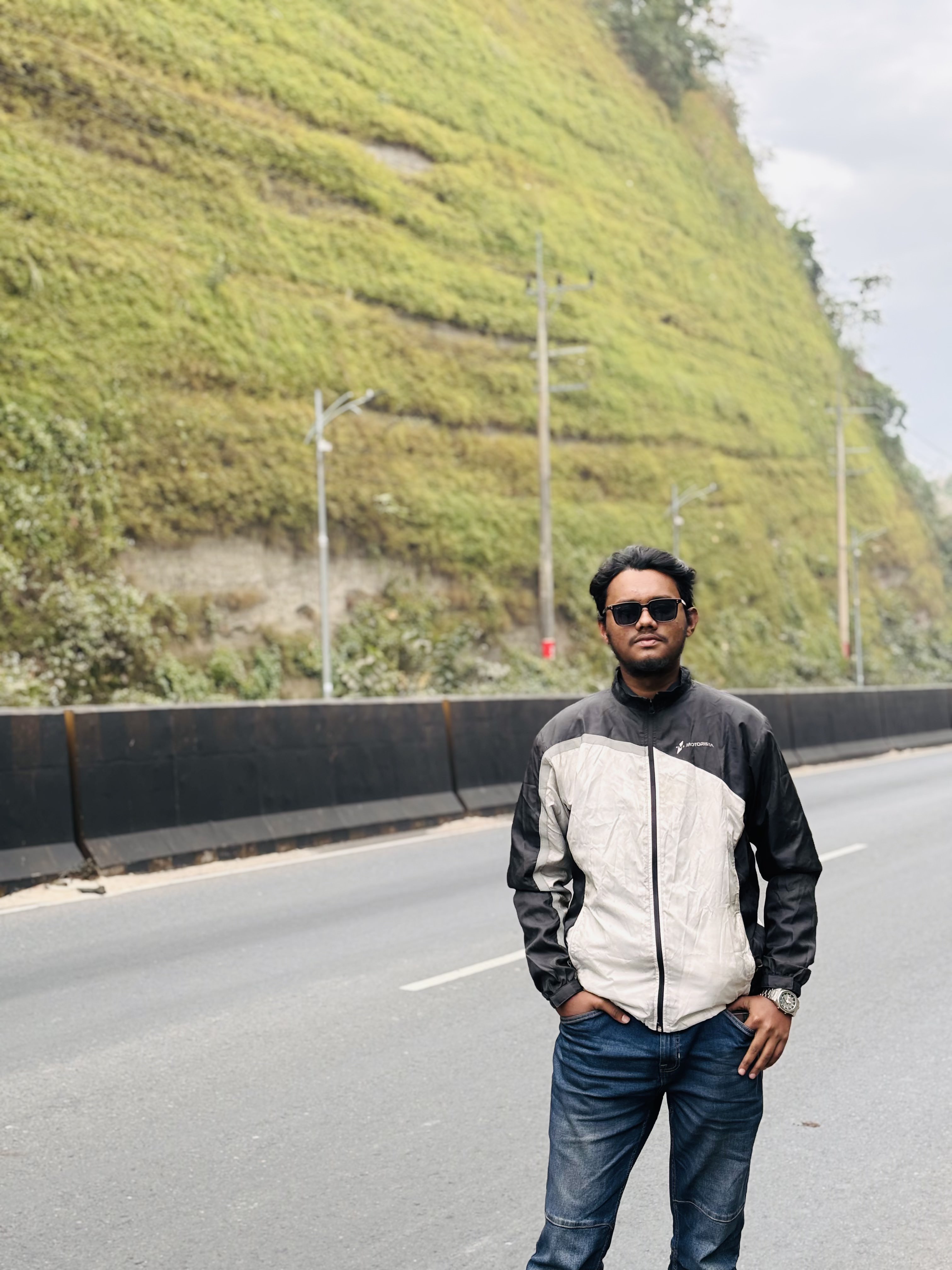
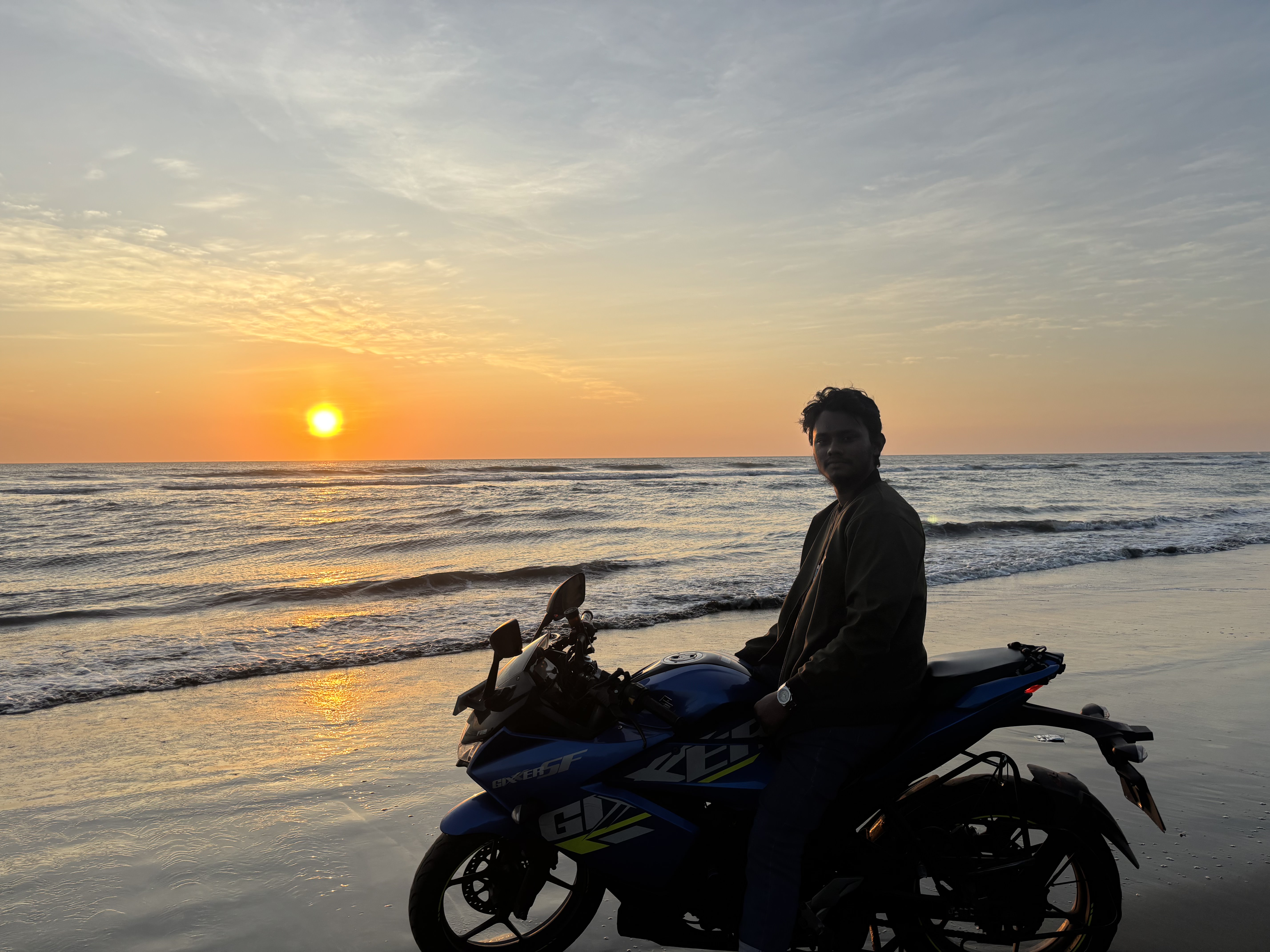
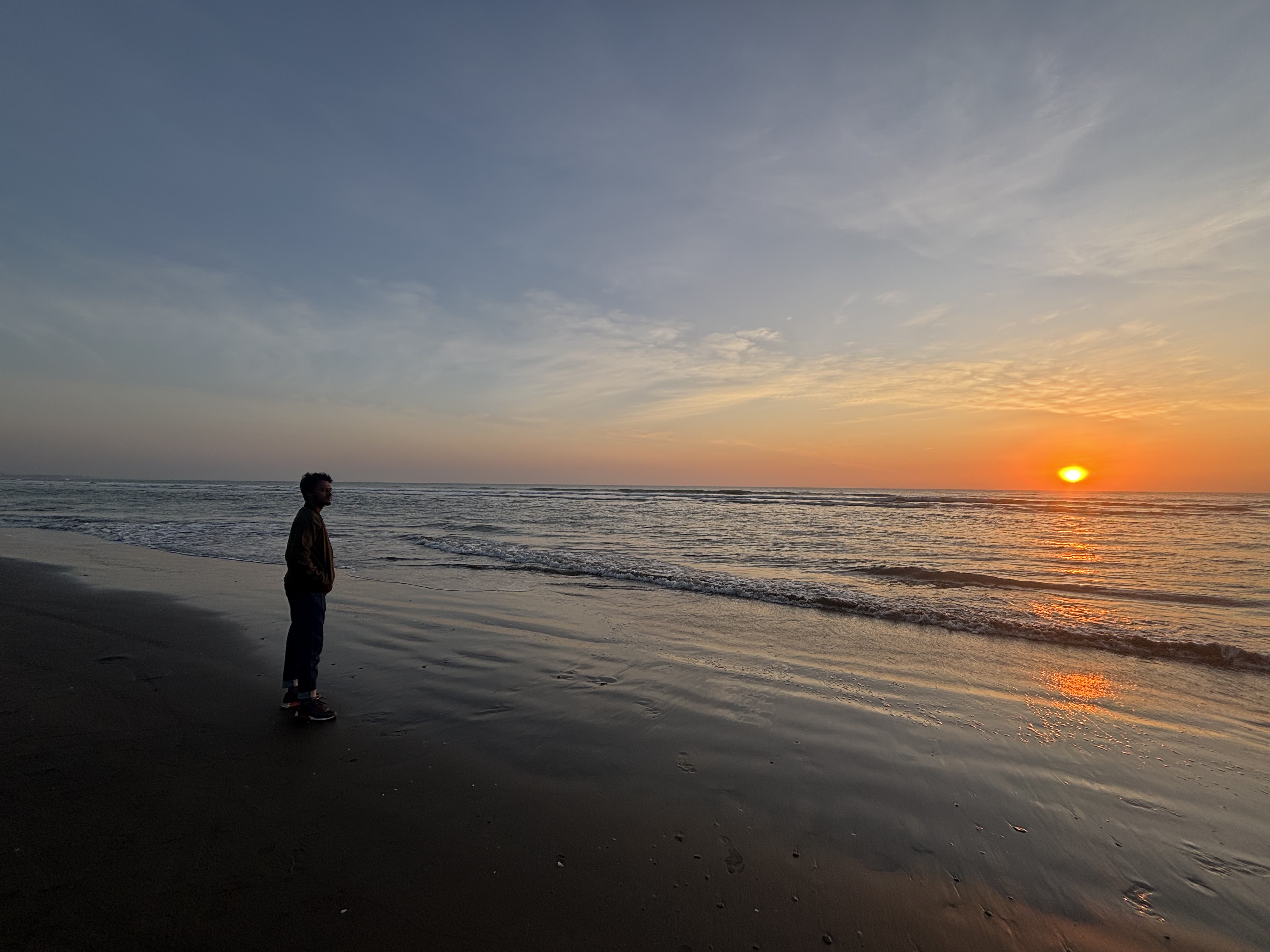
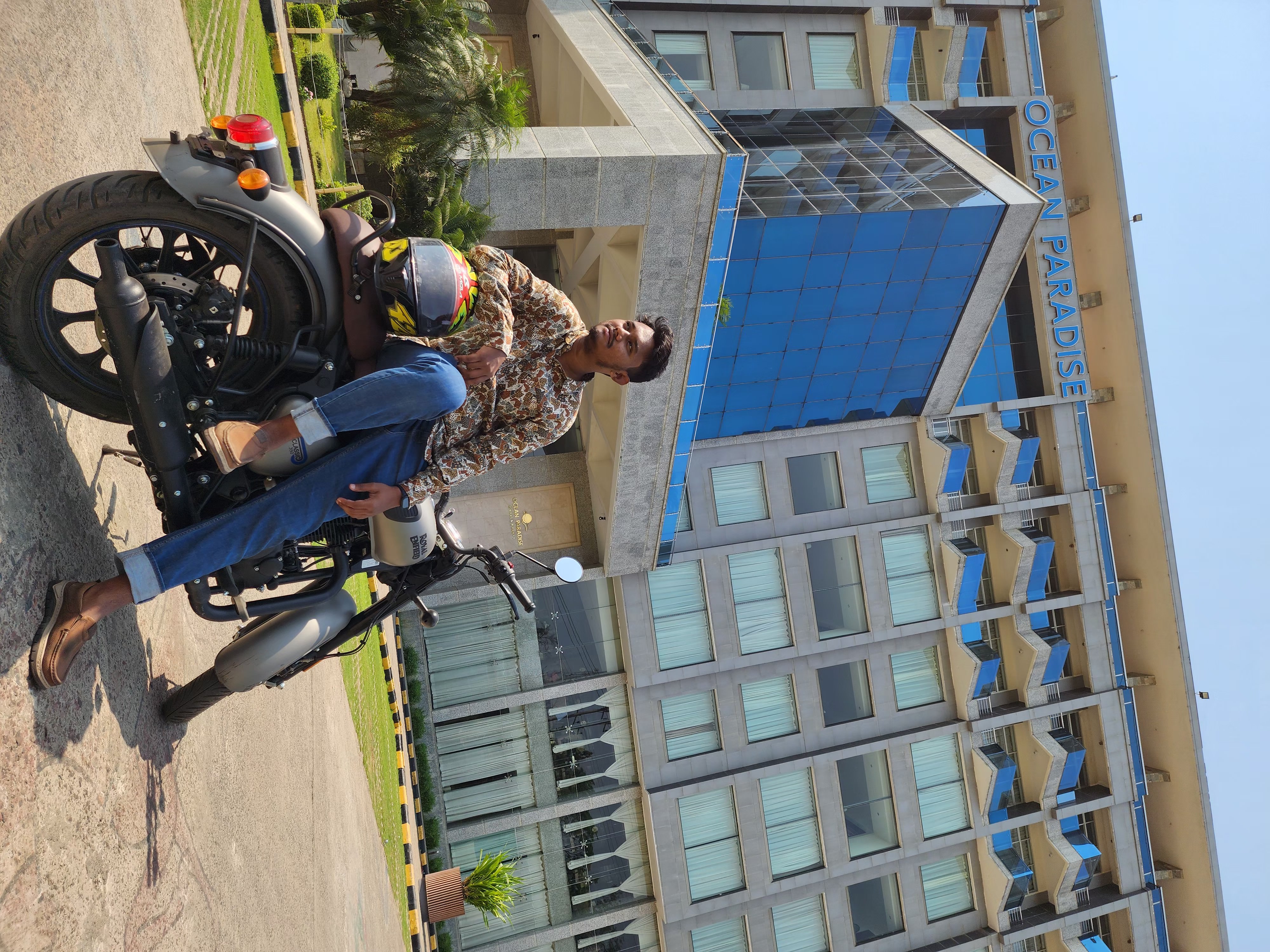
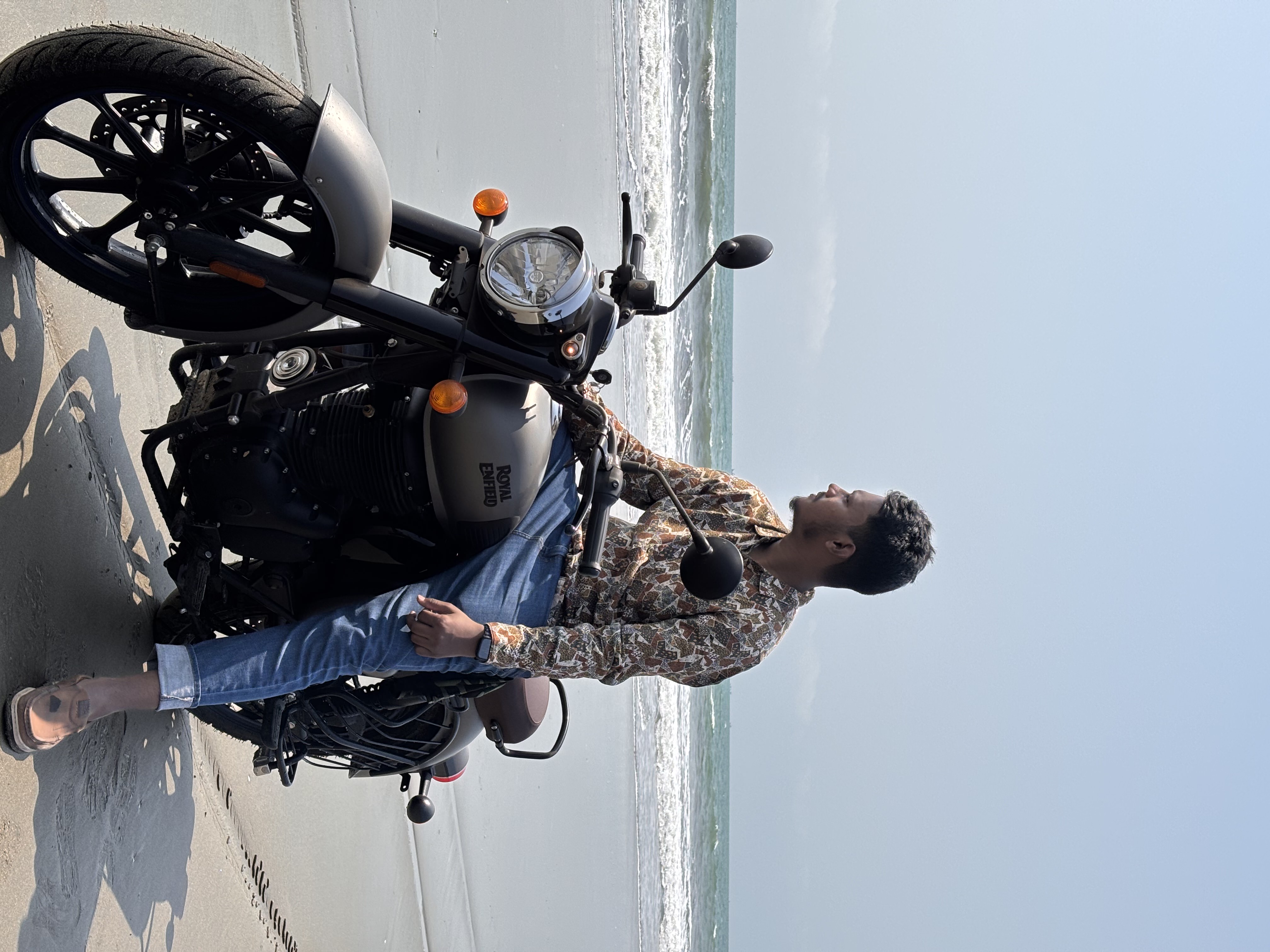
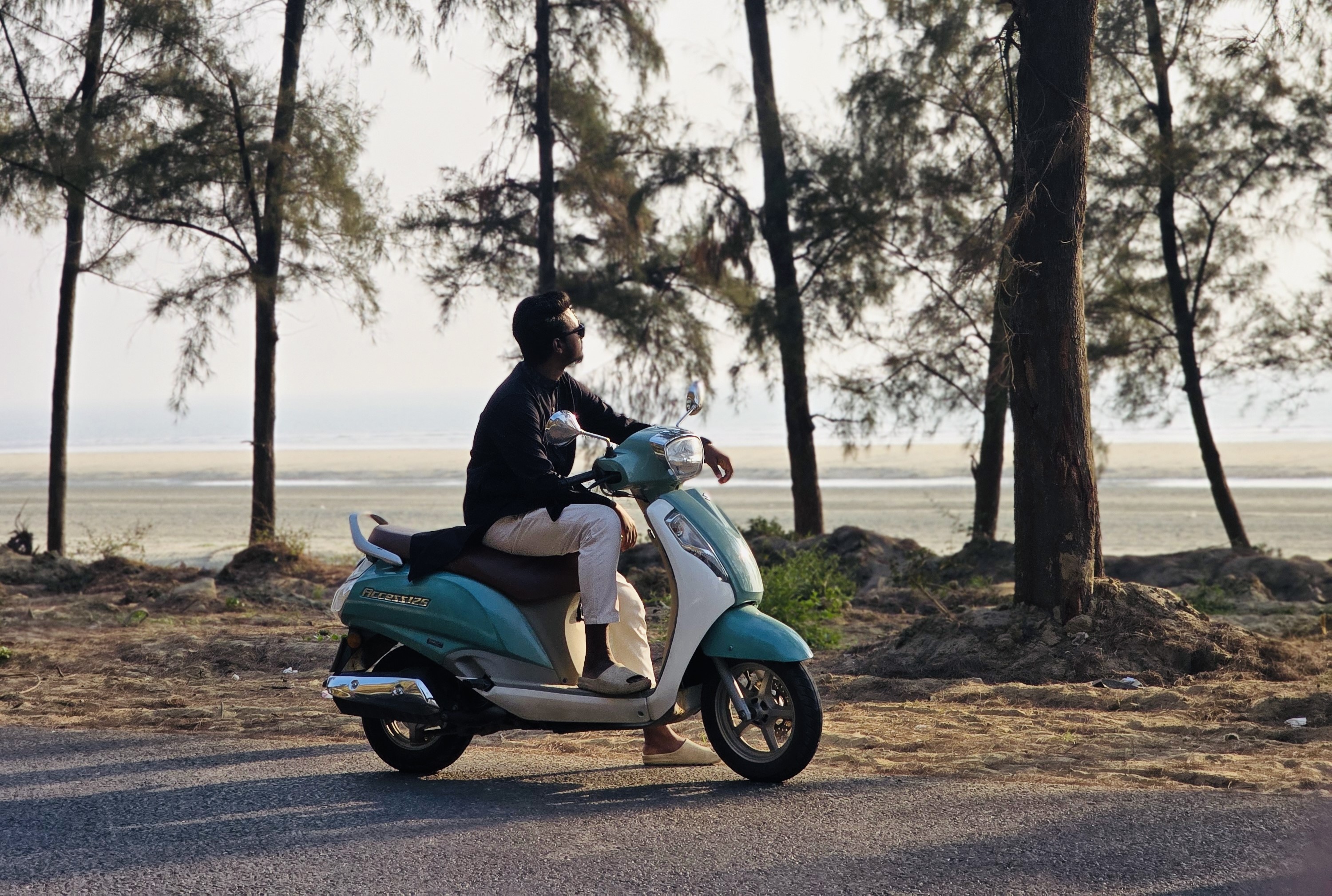
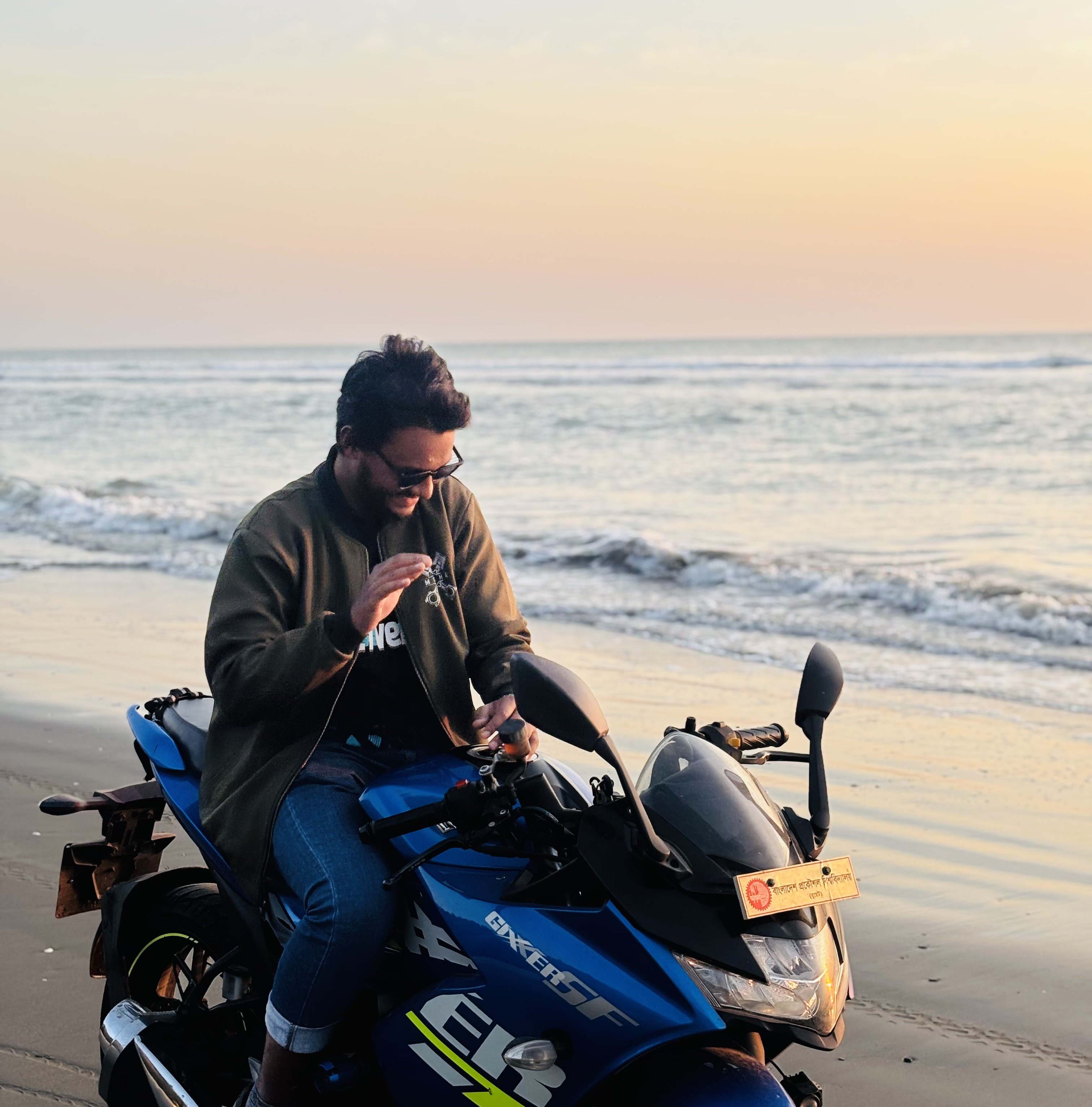
Cox's Bazar, on the southeastern coast of Bangladesh, is home to one of the longest natural sea beaches in the world, an unbroken stretch of golden sand of about 120 kilometres along the Bay of Bengal. The Marine Drive runs beside the sea for much of that length, with green hills on one side and open water on the other, leading to spots like Himchari, with its small waterfall and hilltop view, and the quieter rocky shore of Inani Beach. Evenings bring wide sunsets over the water, and the town's markets are known for fresh seafood and Burmese-style handicrafts. Cox's Bazar is also the gateway to Saint Martin's Island, the country's only coral island.
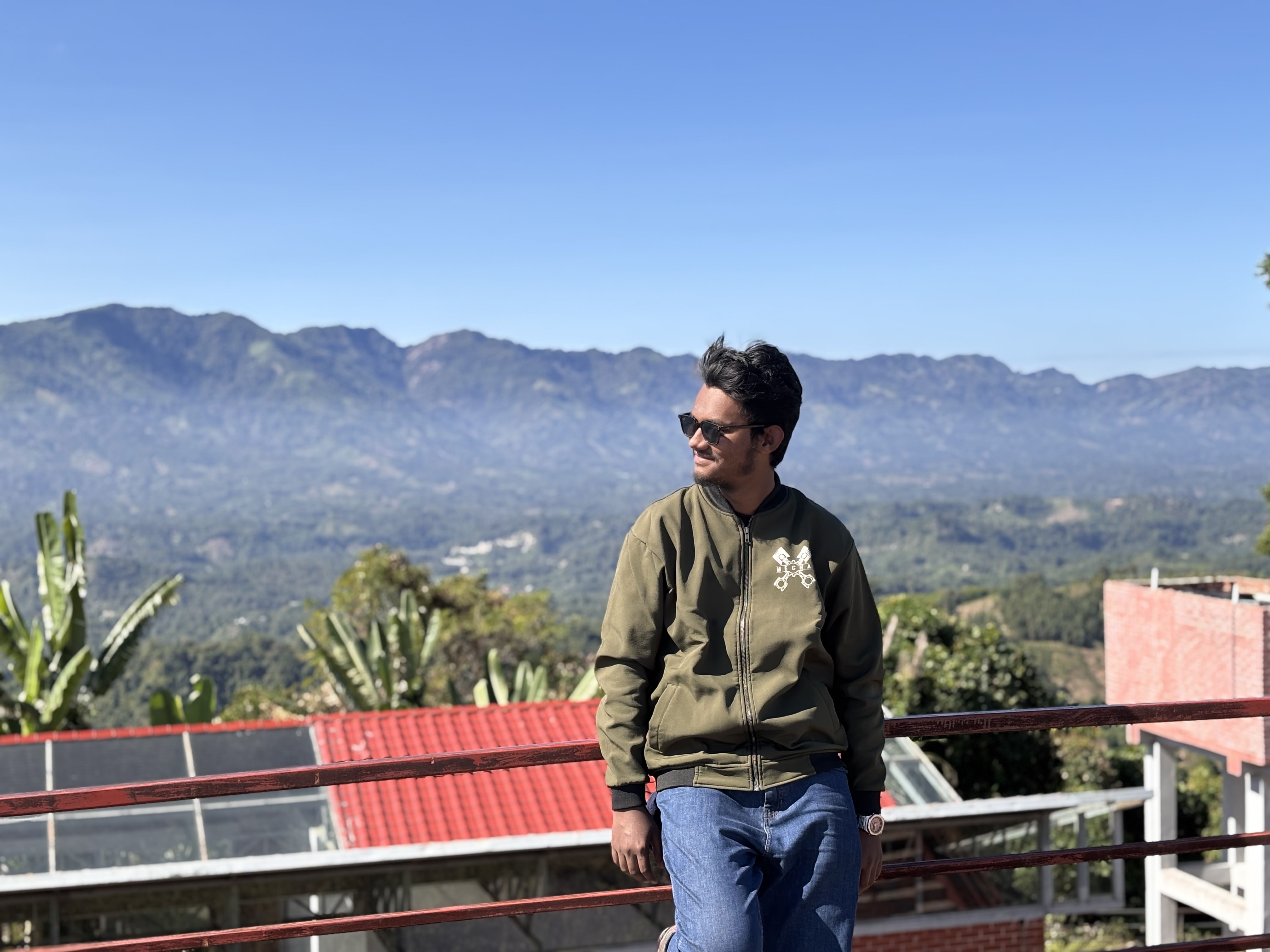
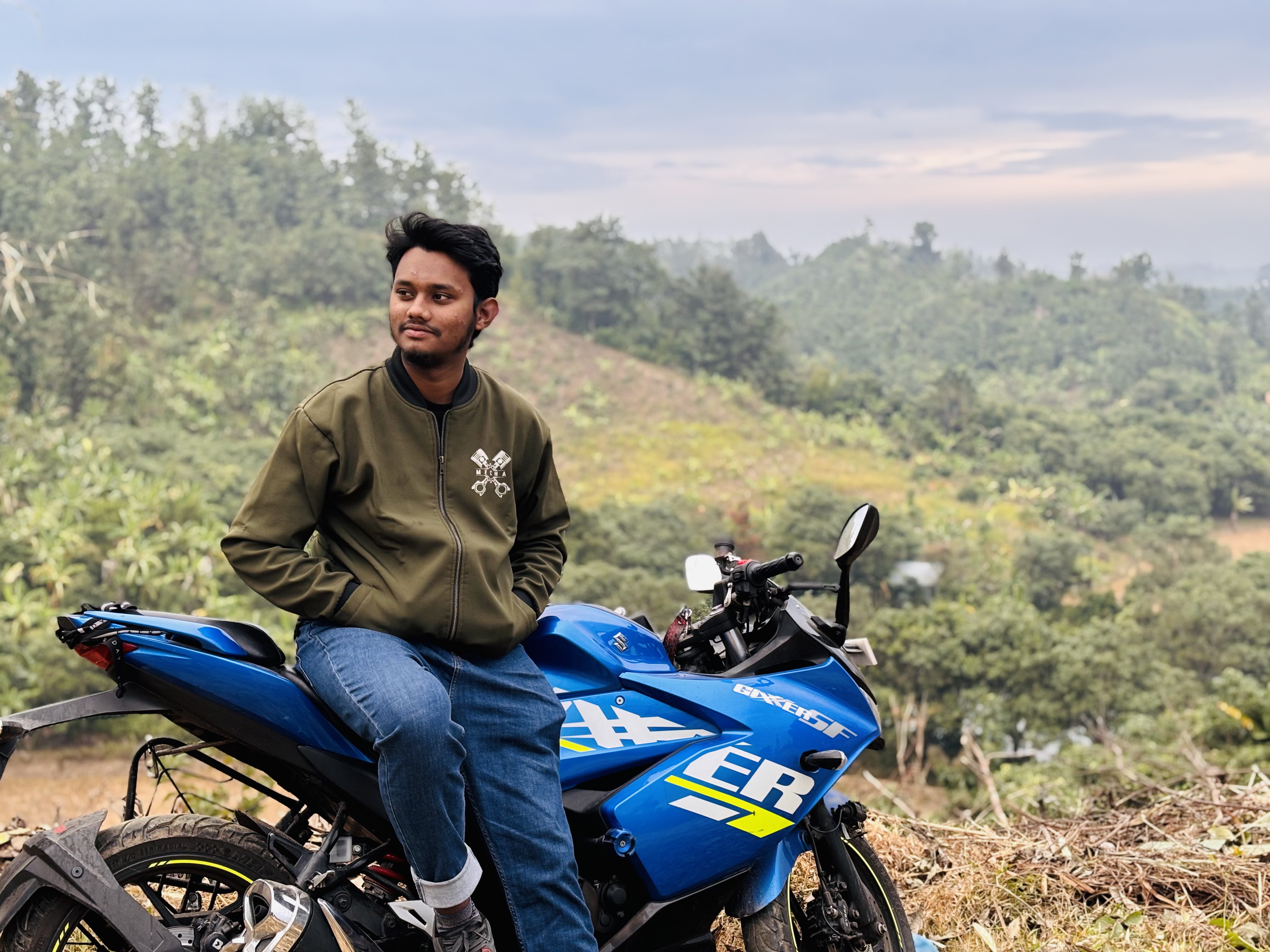
Bandarban
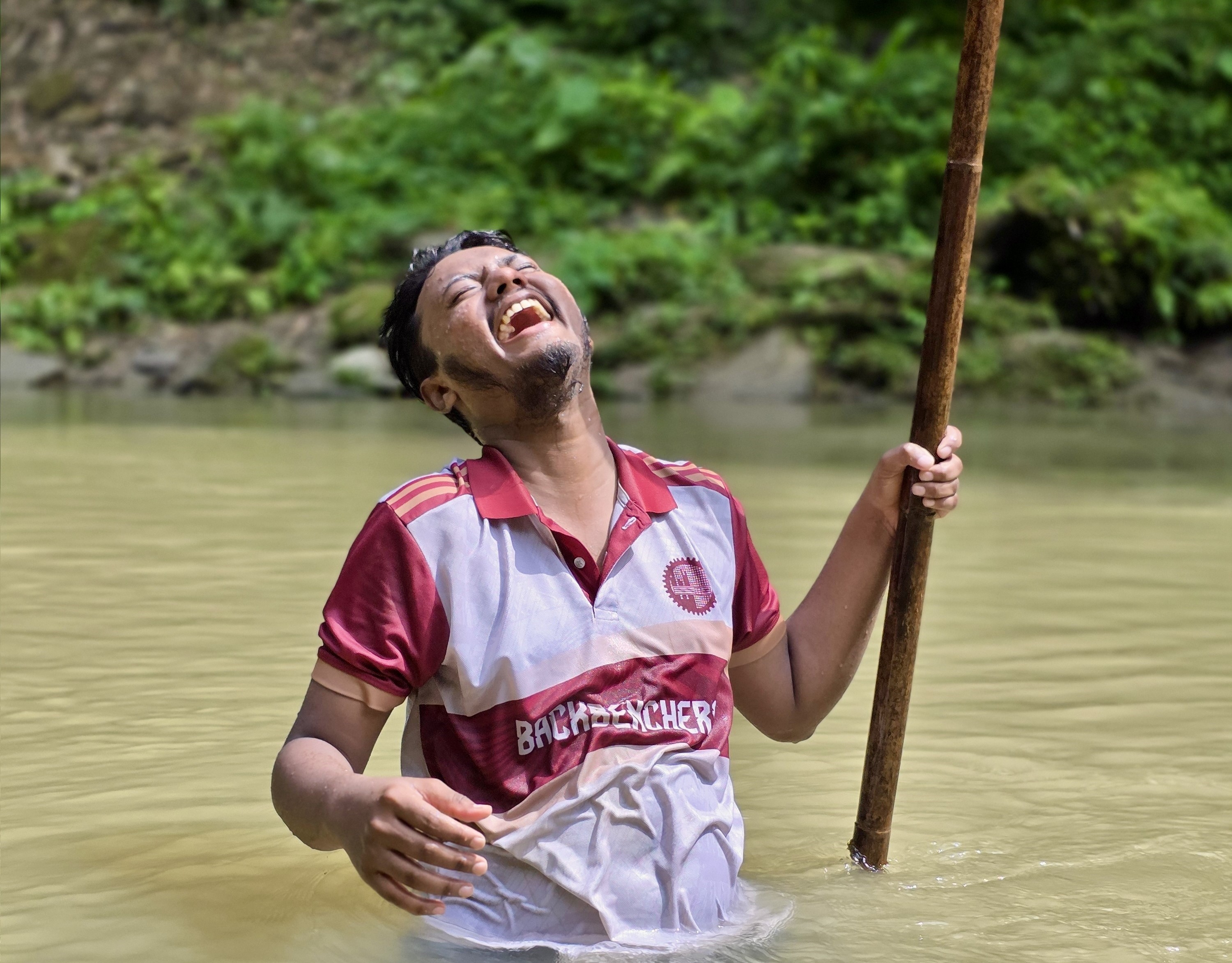
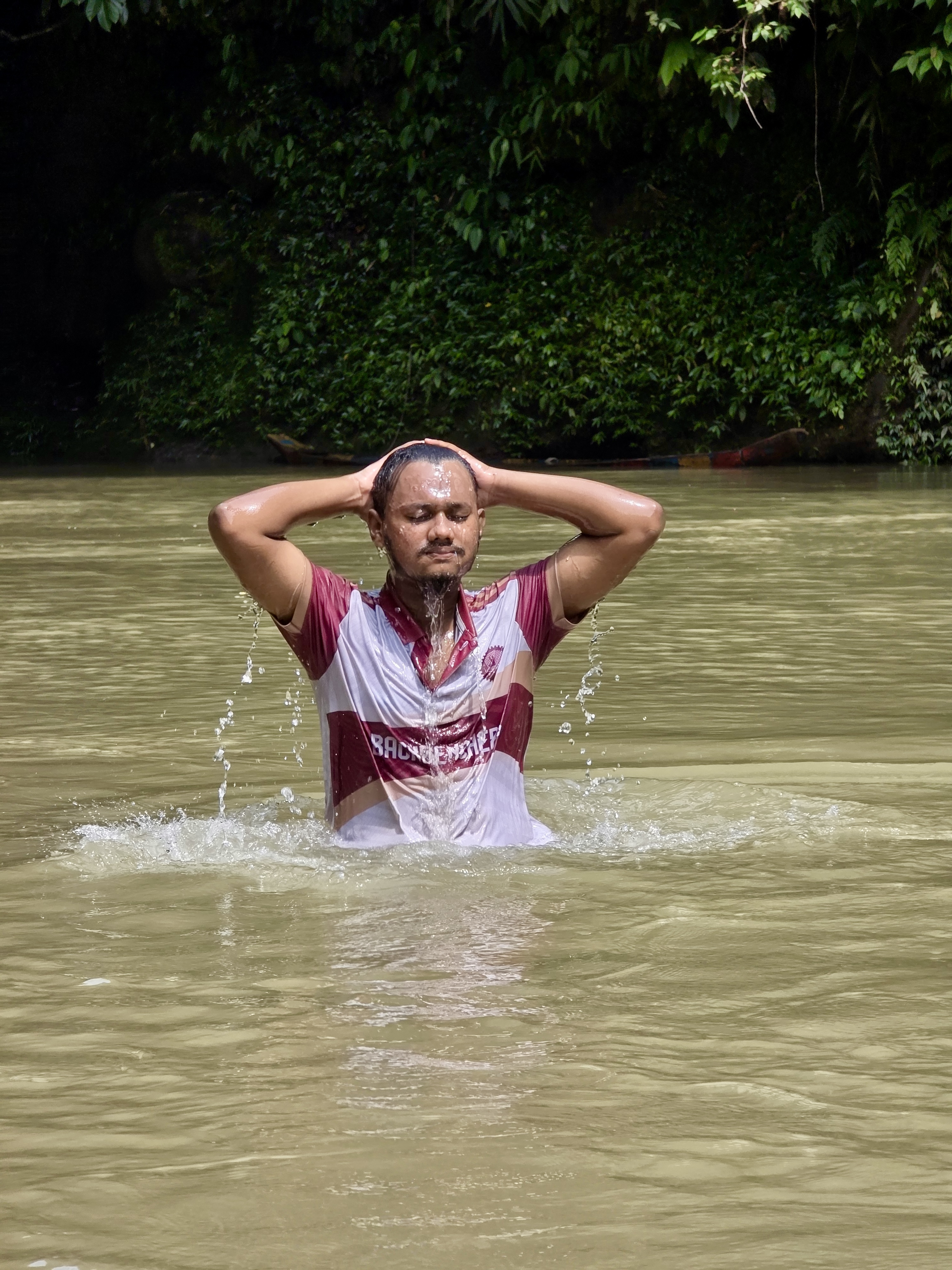
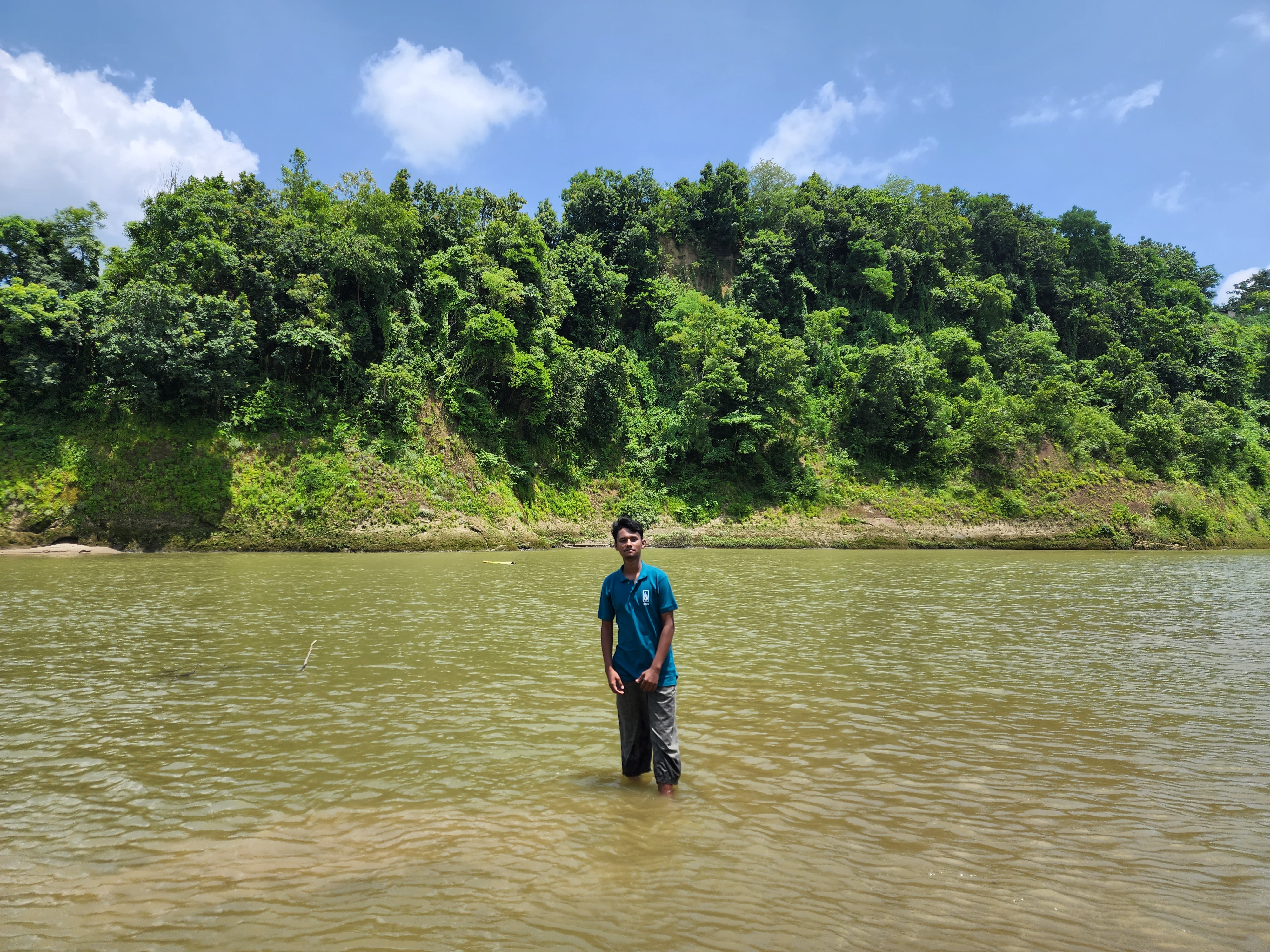
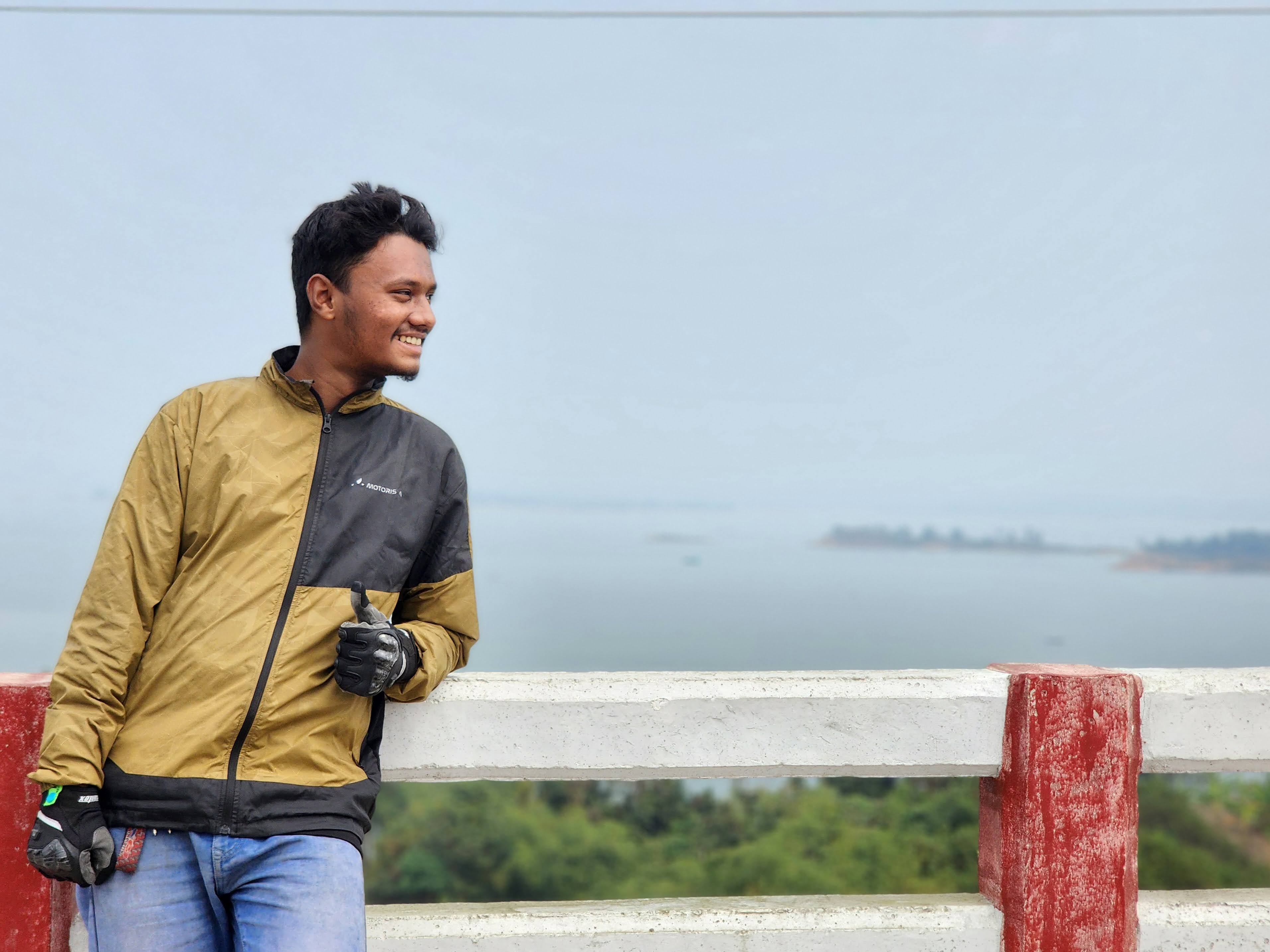
Bandarban, in the Chittagong Hill Tracts, is the most mountainous district of Bangladesh, a landscape of green ridges, deep valleys and drifting clouds that feels very different from the plains of the rest of the country. Viewpoints such as Nilgiri and Nilachal sit high enough that clouds often roll past below them, and the Sangu River winds through the hills toward remote waterfalls like Nafakhum. Further in lie Boga Lake, a natural lake set high in the mountains, and Keokradong, one of the tallest peaks in the country. The district is also home to many indigenous communities, including the Marma, Bawm and Mro peoples, and to the hilltop Buddha Dhatu Jadi, often called the Golden Temple.
Rangamati
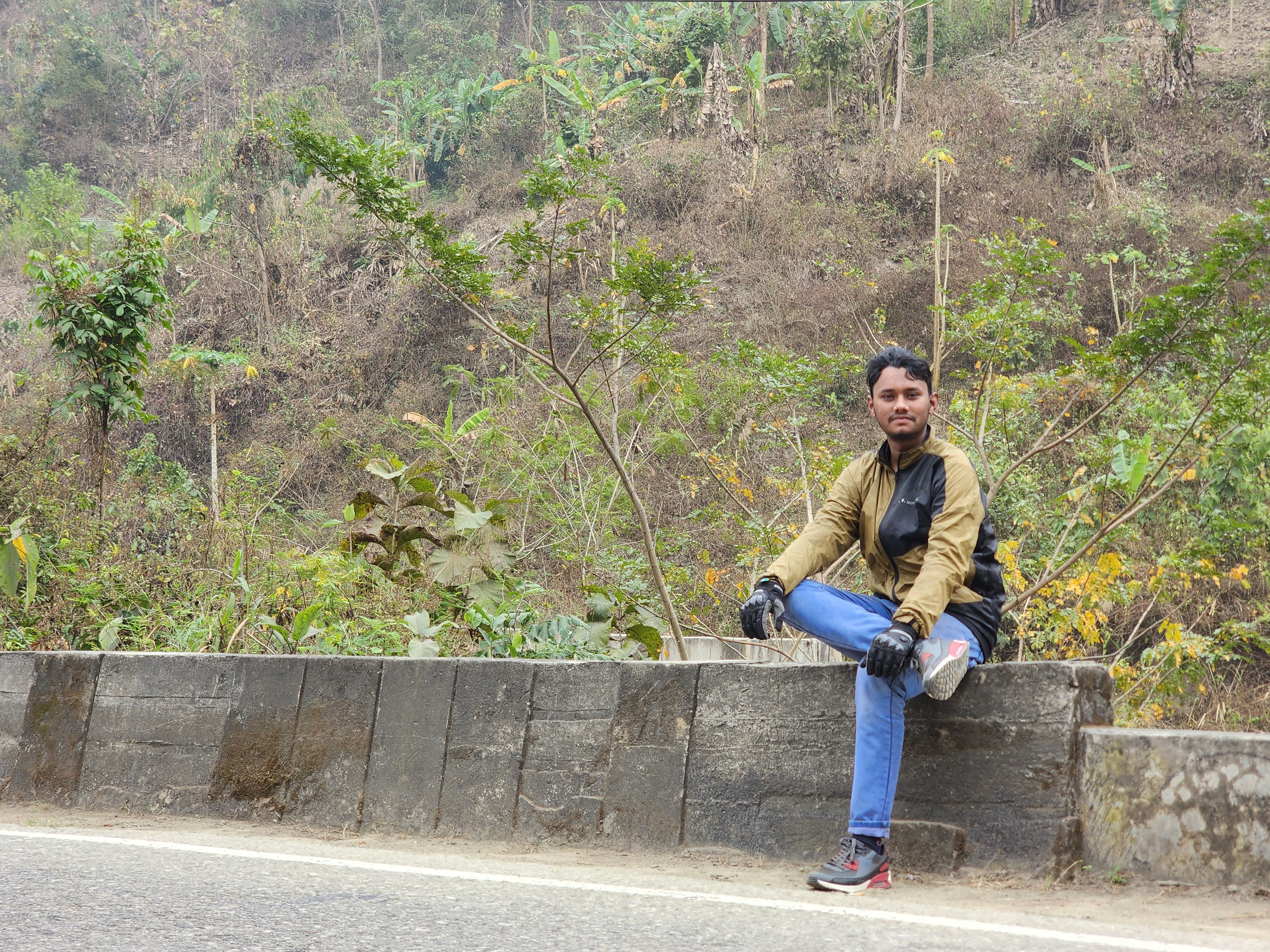
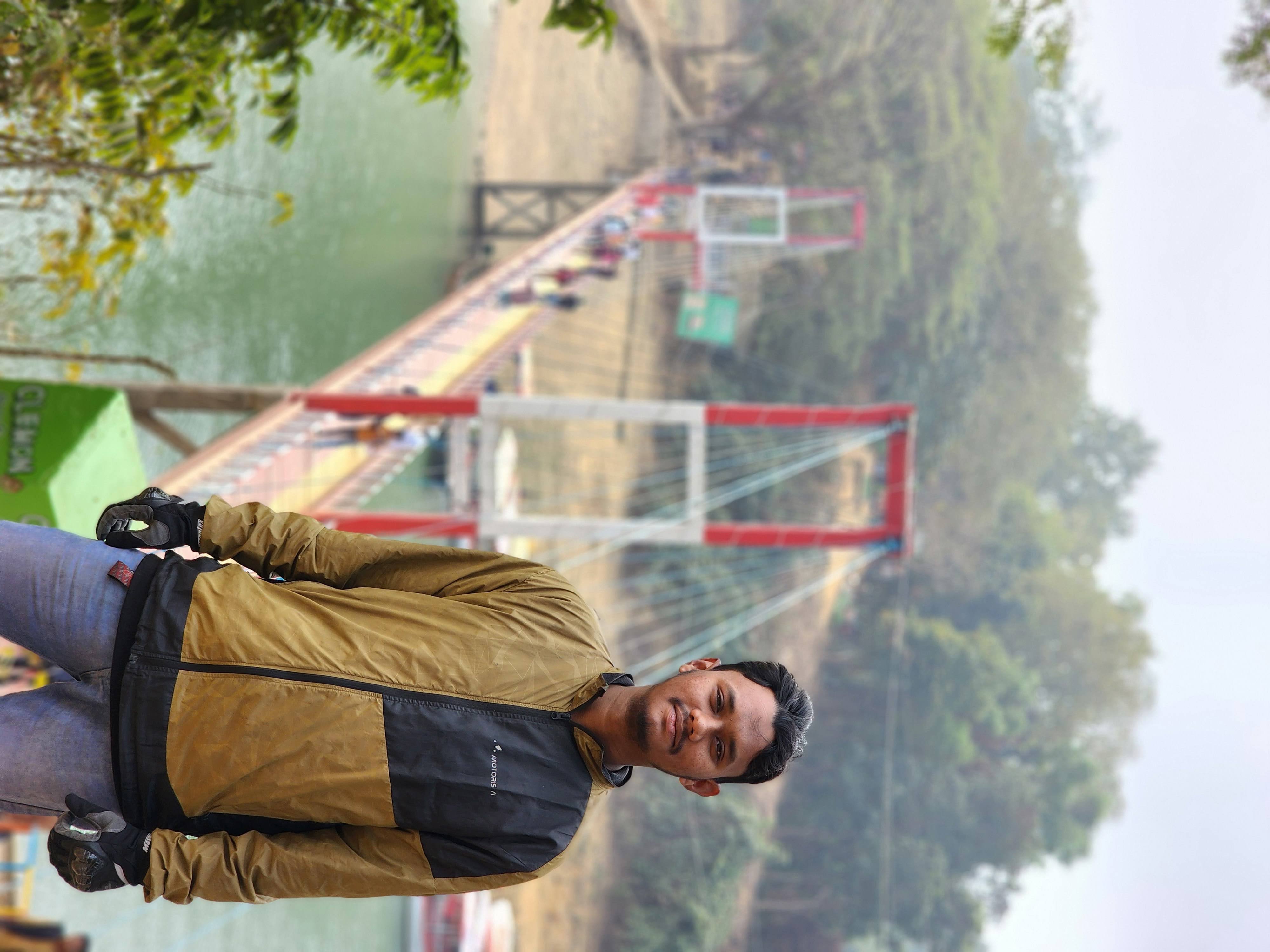
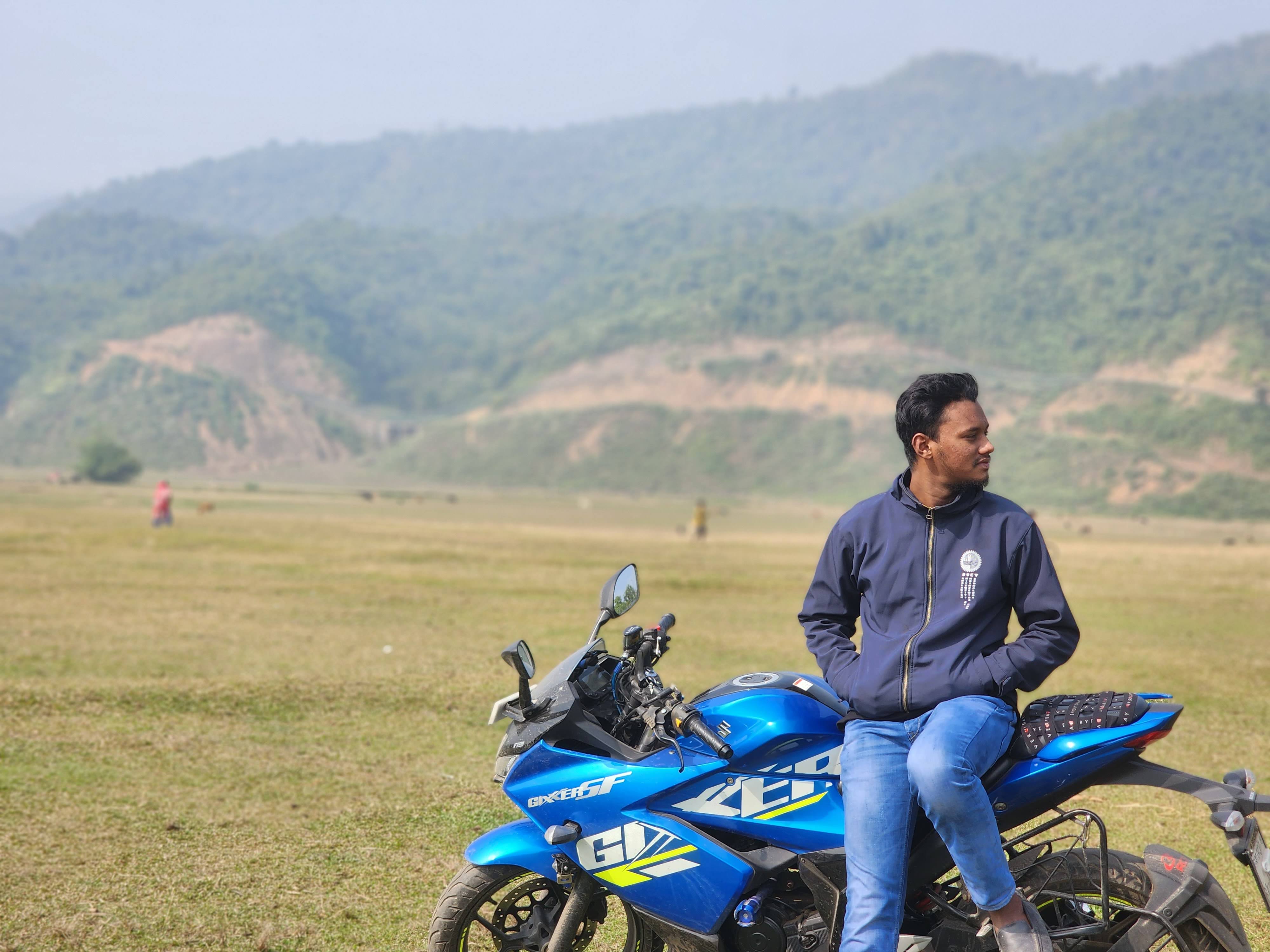
Rangamati, in the Chittagong Hill Tracts, is a hill district wrapped around Kaptai Lake, the largest man-made lake in Bangladesh, where green hills rise straight out of calm blue water. The lake was formed when the Kaptai Dam was built on the Karnaphuli River in the 1960s, and today boats carry visitors between its islands, hillside villages and the Shuvolong waterfall. The town's orange Hanging Bridge stretches across one arm of the lake, and Rajban Vihara is one of the most important Buddhist monasteries in the country. Rangamati is also the home of the Chakma people and many other indigenous communities, and the district reaches up to Sajek Valley, famous for its view above the clouds.
Sylhet
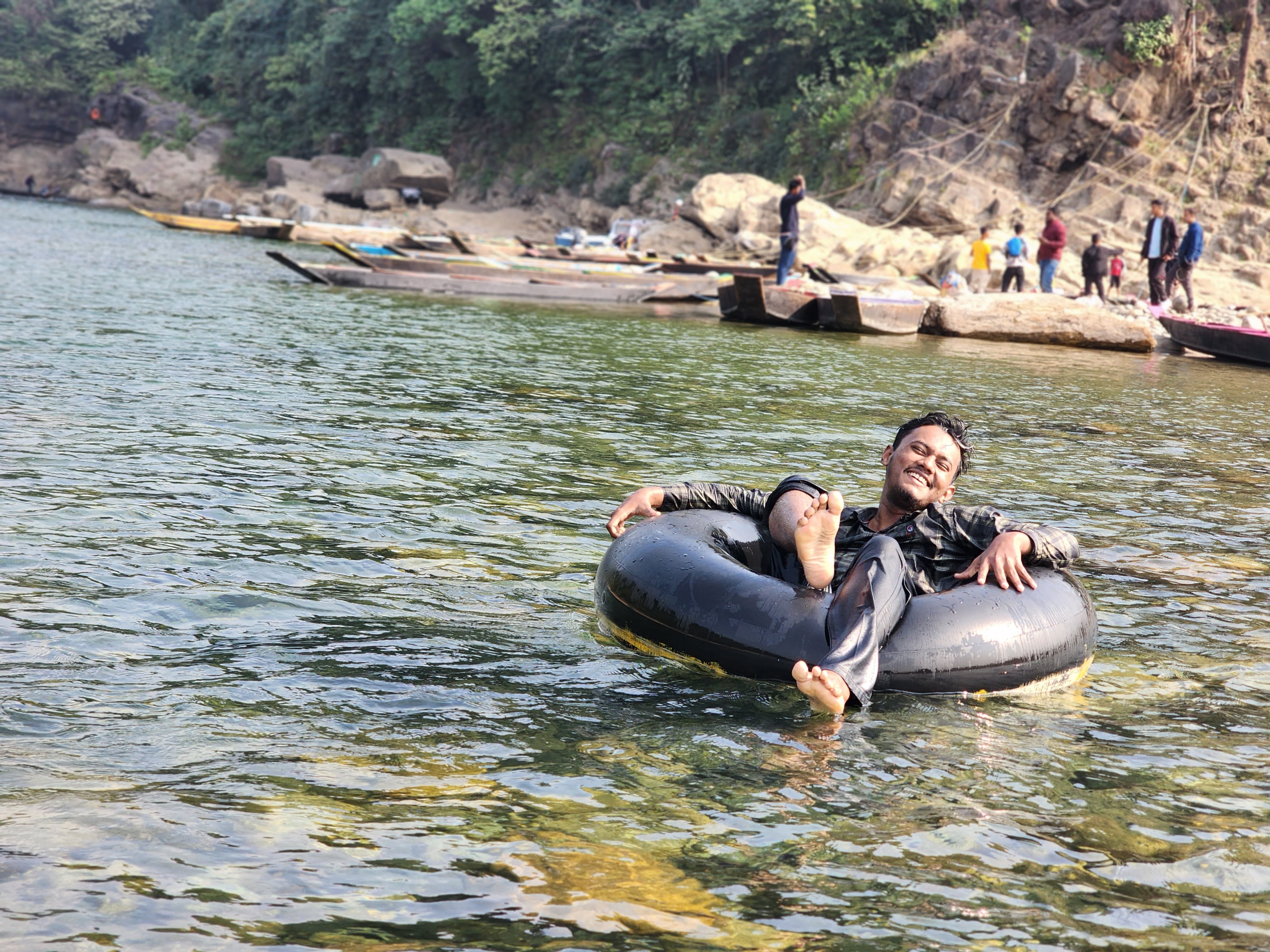
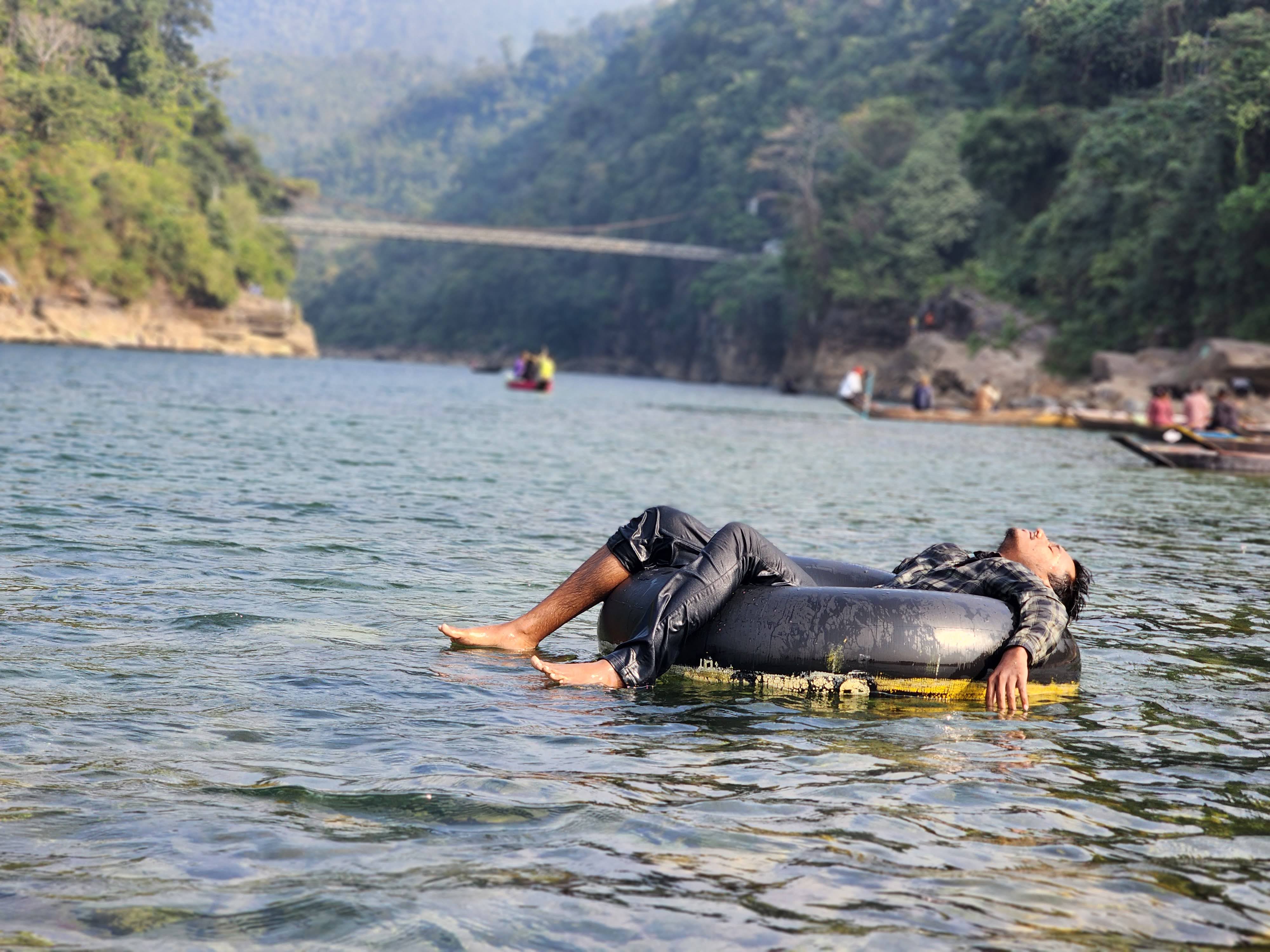
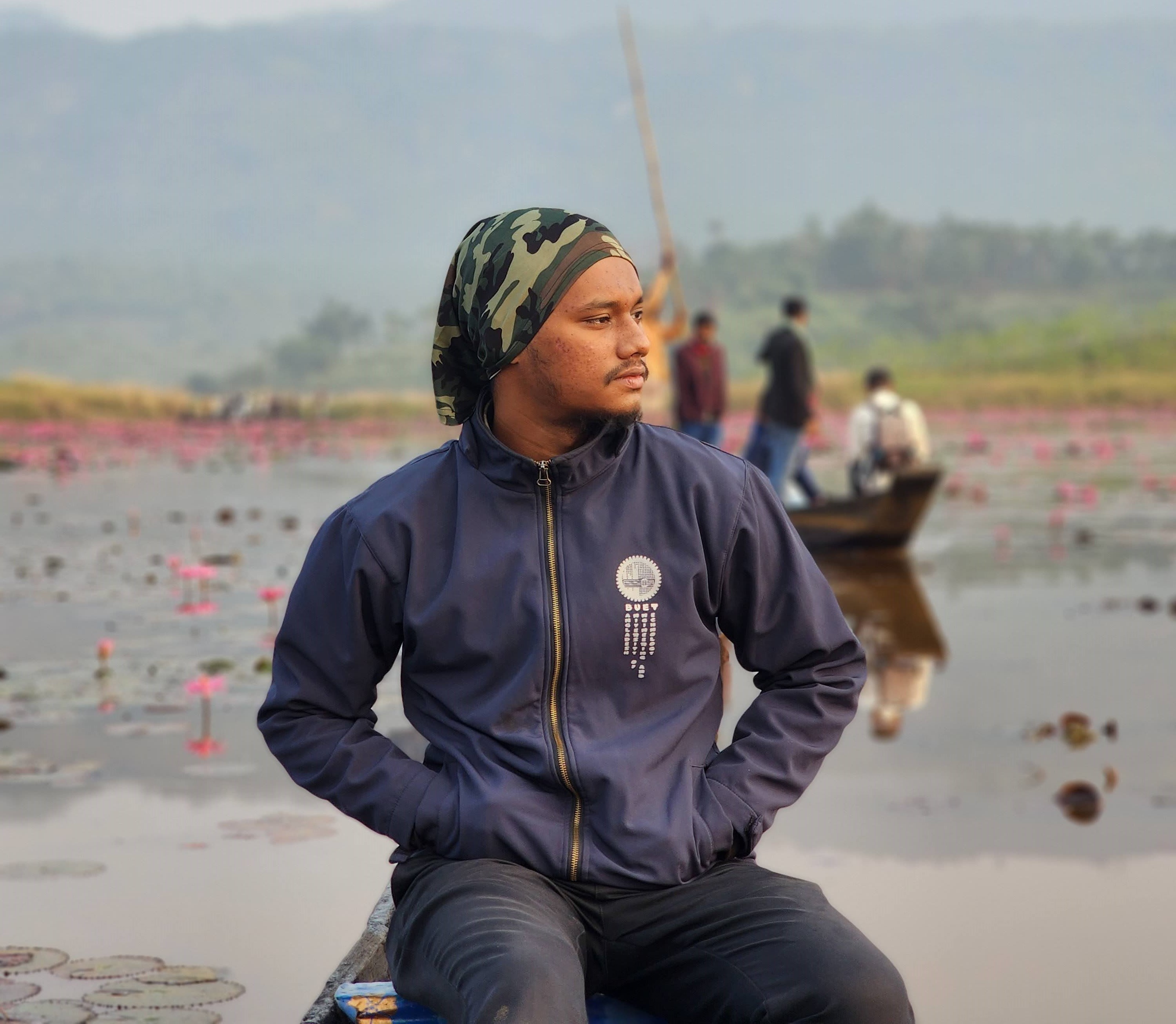
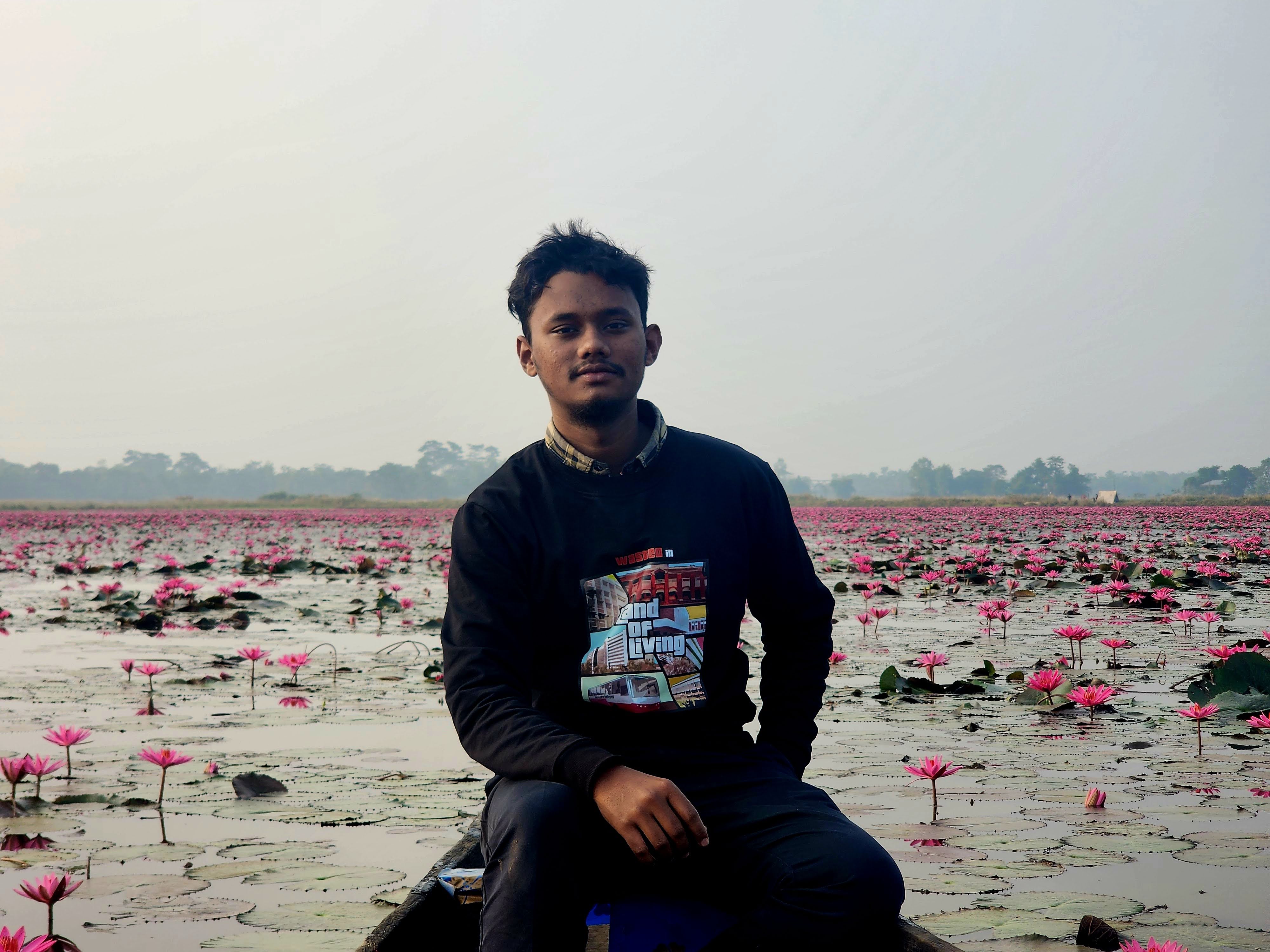
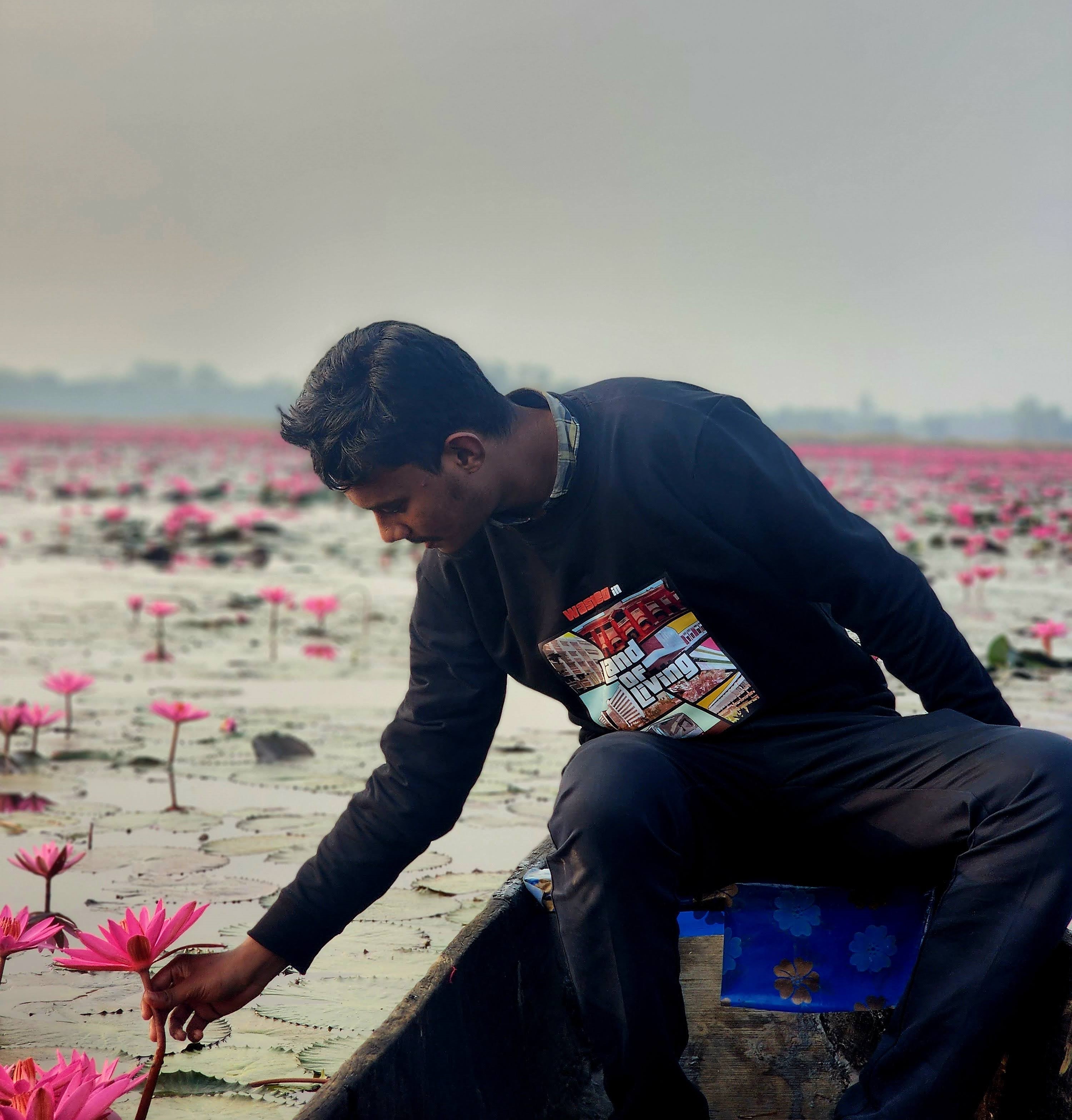
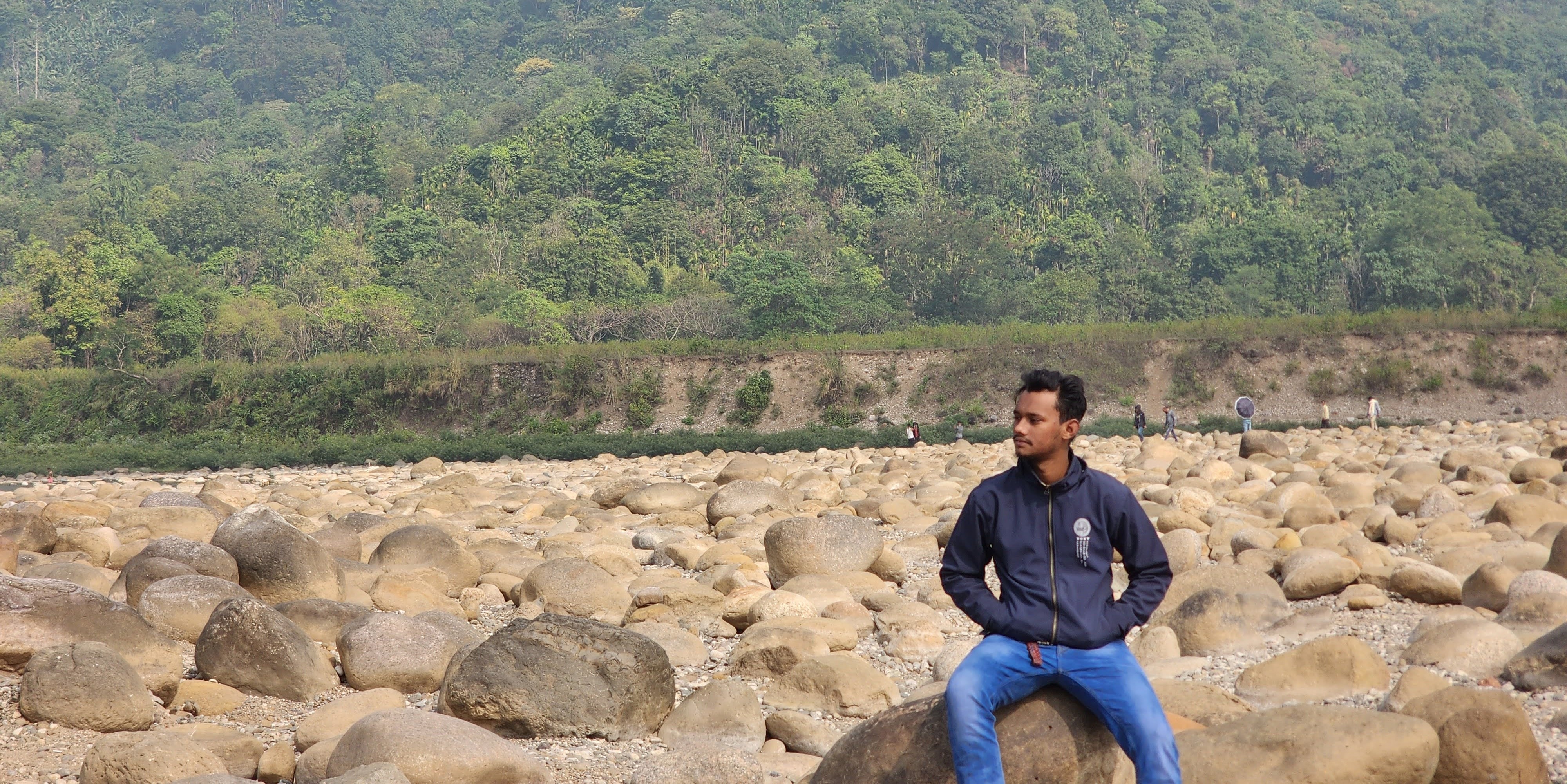
Sylhet, in the northeast of Bangladesh, is the country's tea capital, a region of rolling tea gardens, clear rivers and green hills along the border with the Indian state of Meghalaya. Malnicherra, on the edge of Sylhet city, is known as the first commercial tea garden in the subcontinent, and the estates around Sylhet and Srimangal still produce much of the country's tea. To the north, Jaflong sits beside the Piyain River with the Meghalaya hills behind it, and Lalakhal is famous for the striking blue-green water of the Sari River. Ratargul is one of the few freshwater swamp forests in the country, explored by small boat between half-submerged trees, and Bisnakandi brings stony streams down from the hills. The city is also home to the shrine of Hazrat Shah Jalal, one of the most visited places in Bangladesh.
Sreemangal
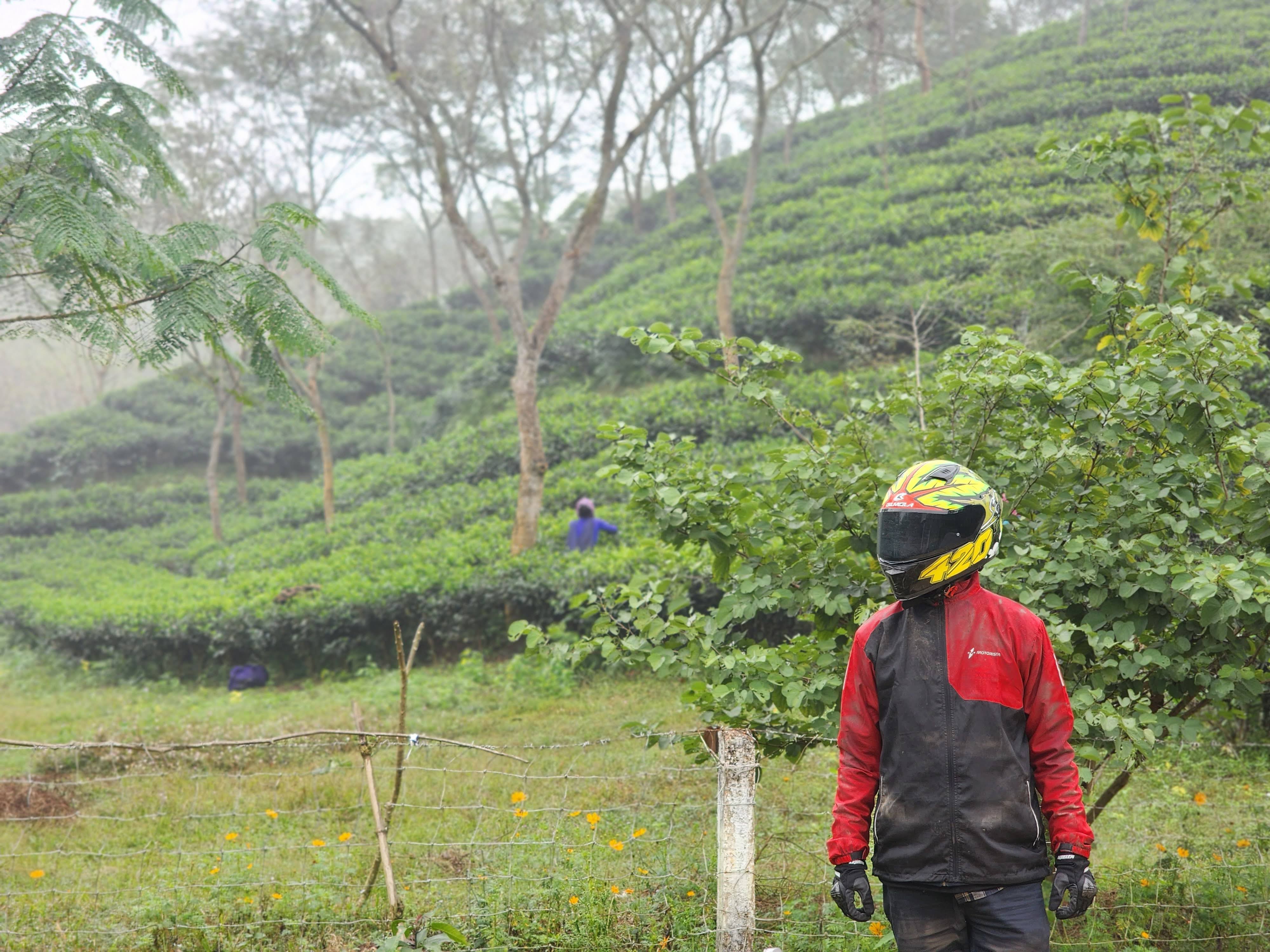
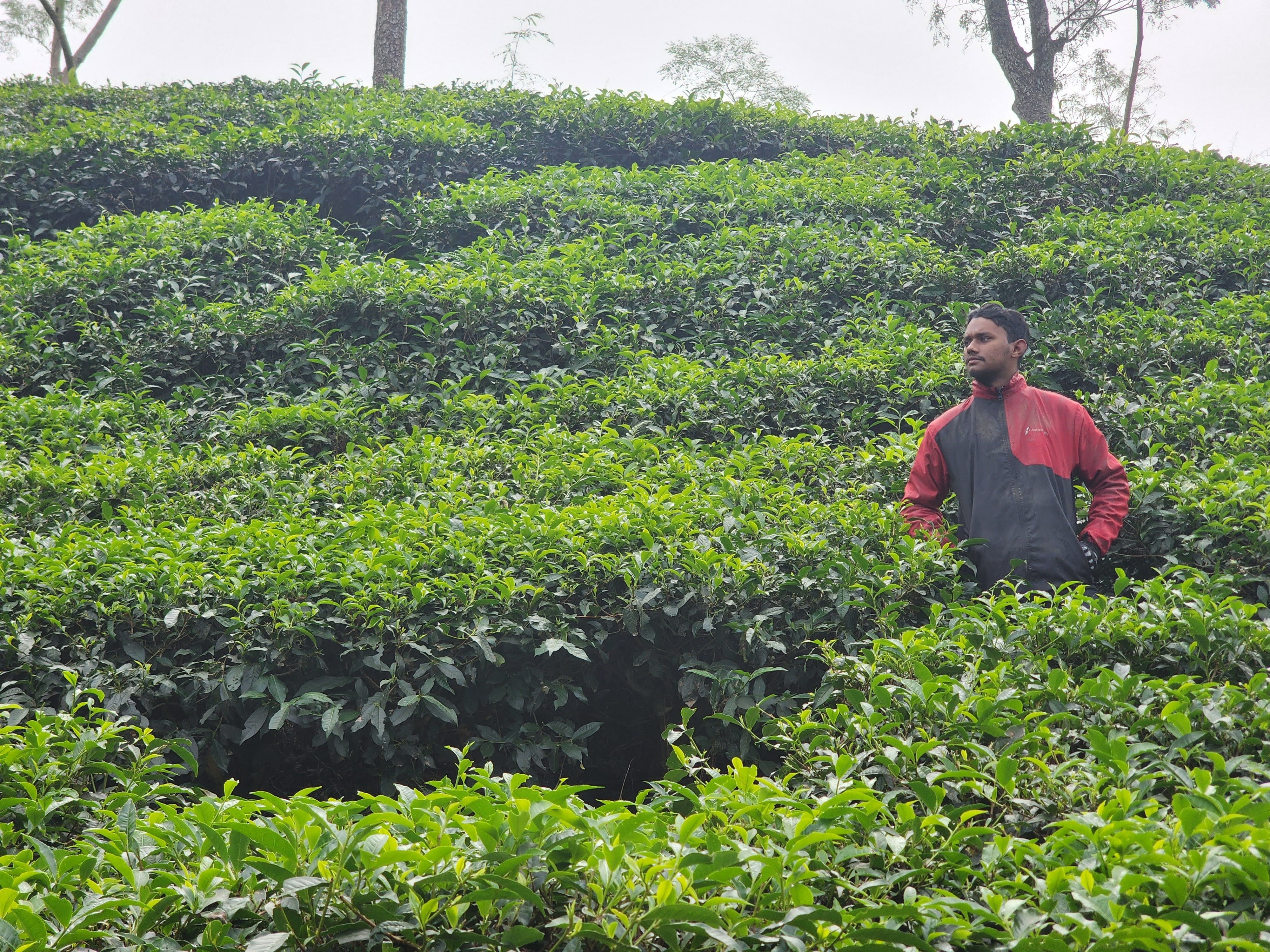
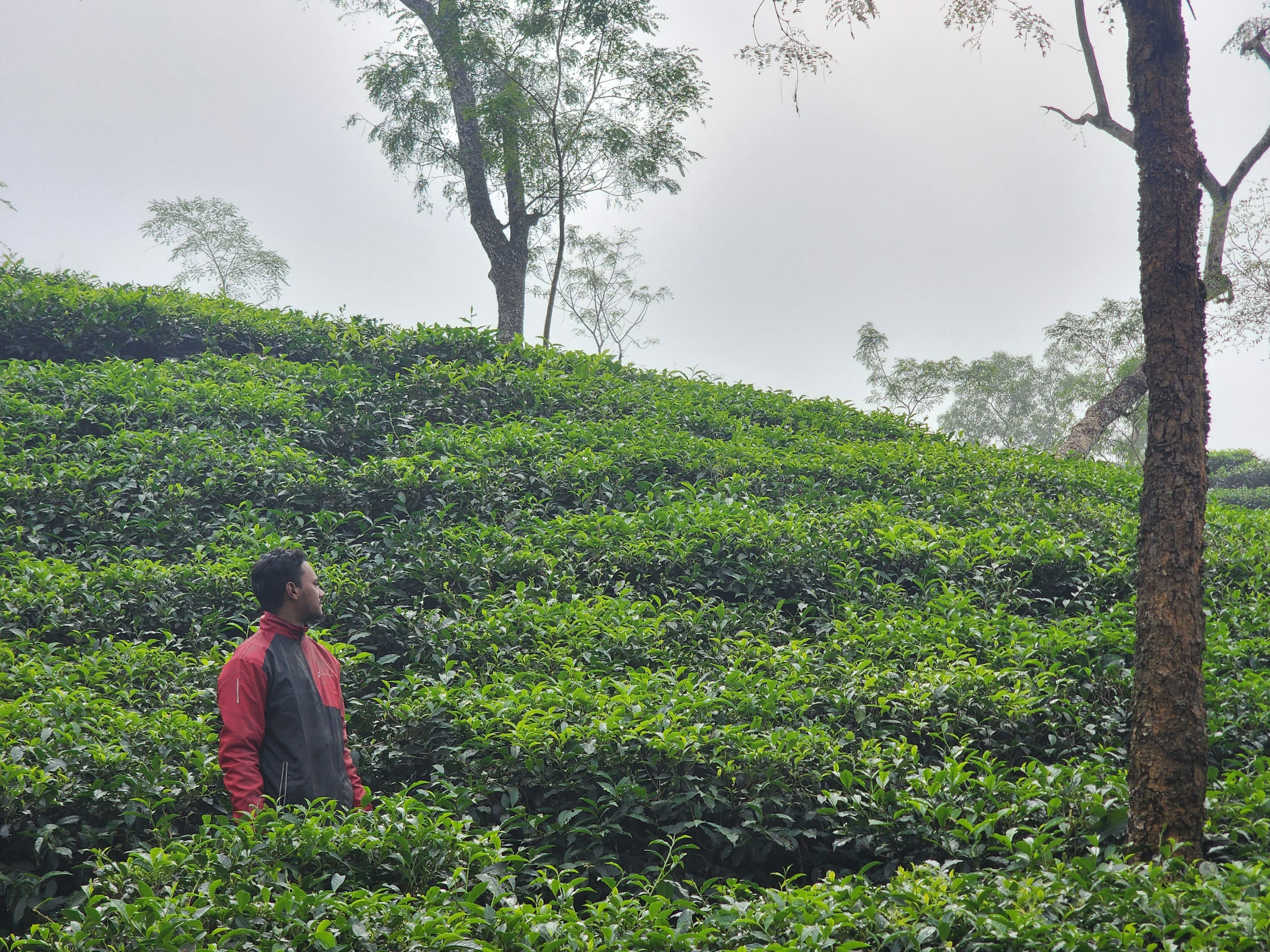
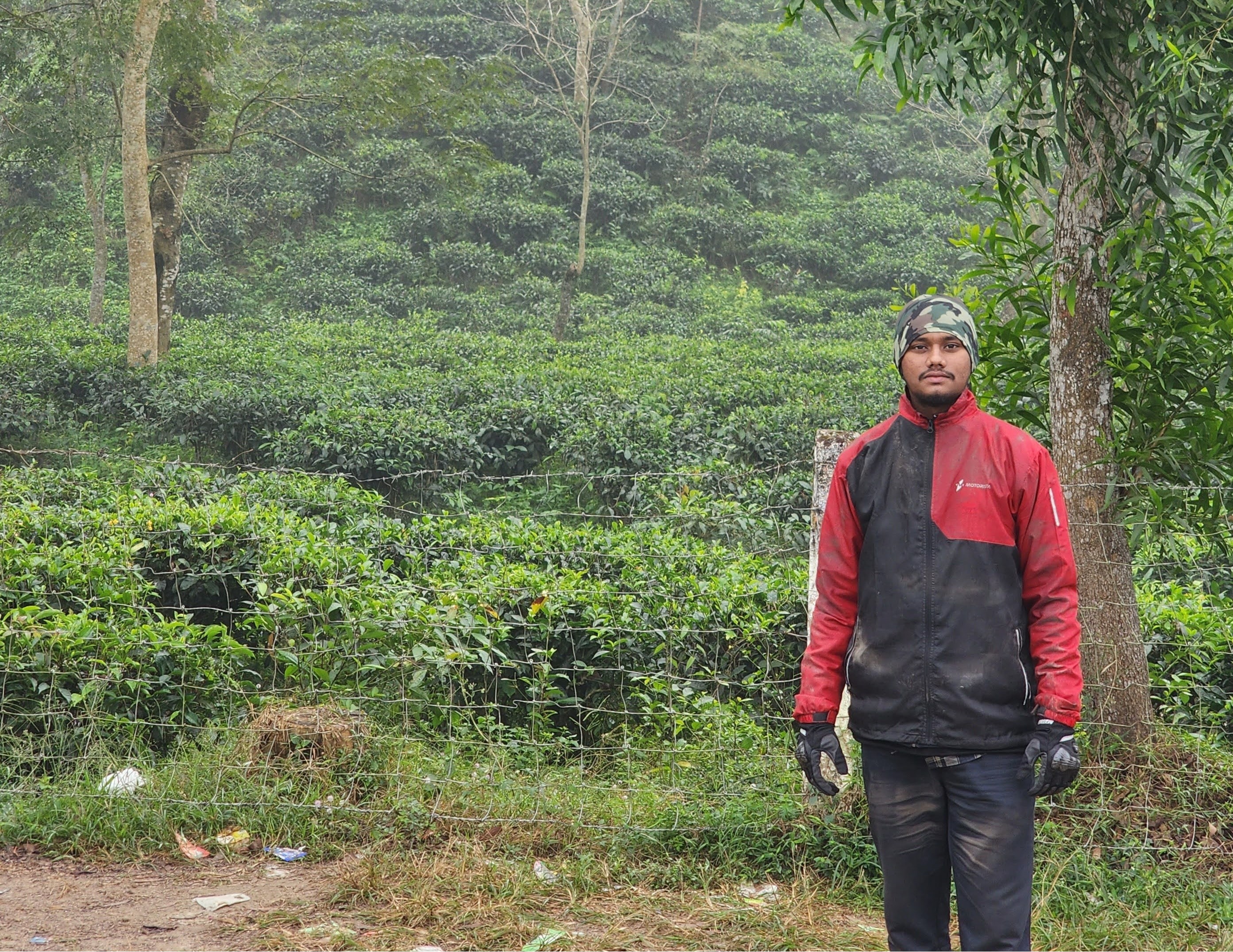
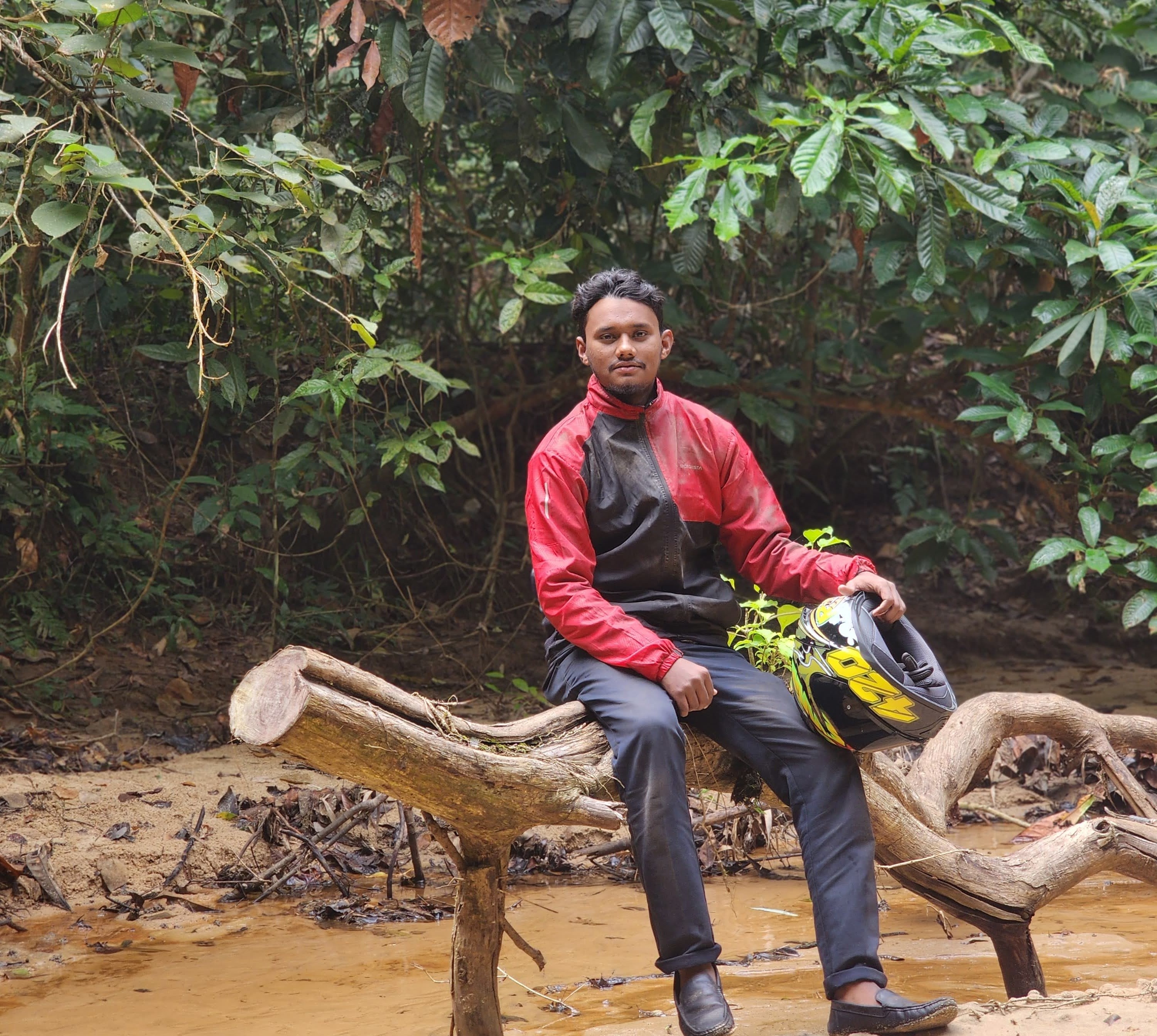
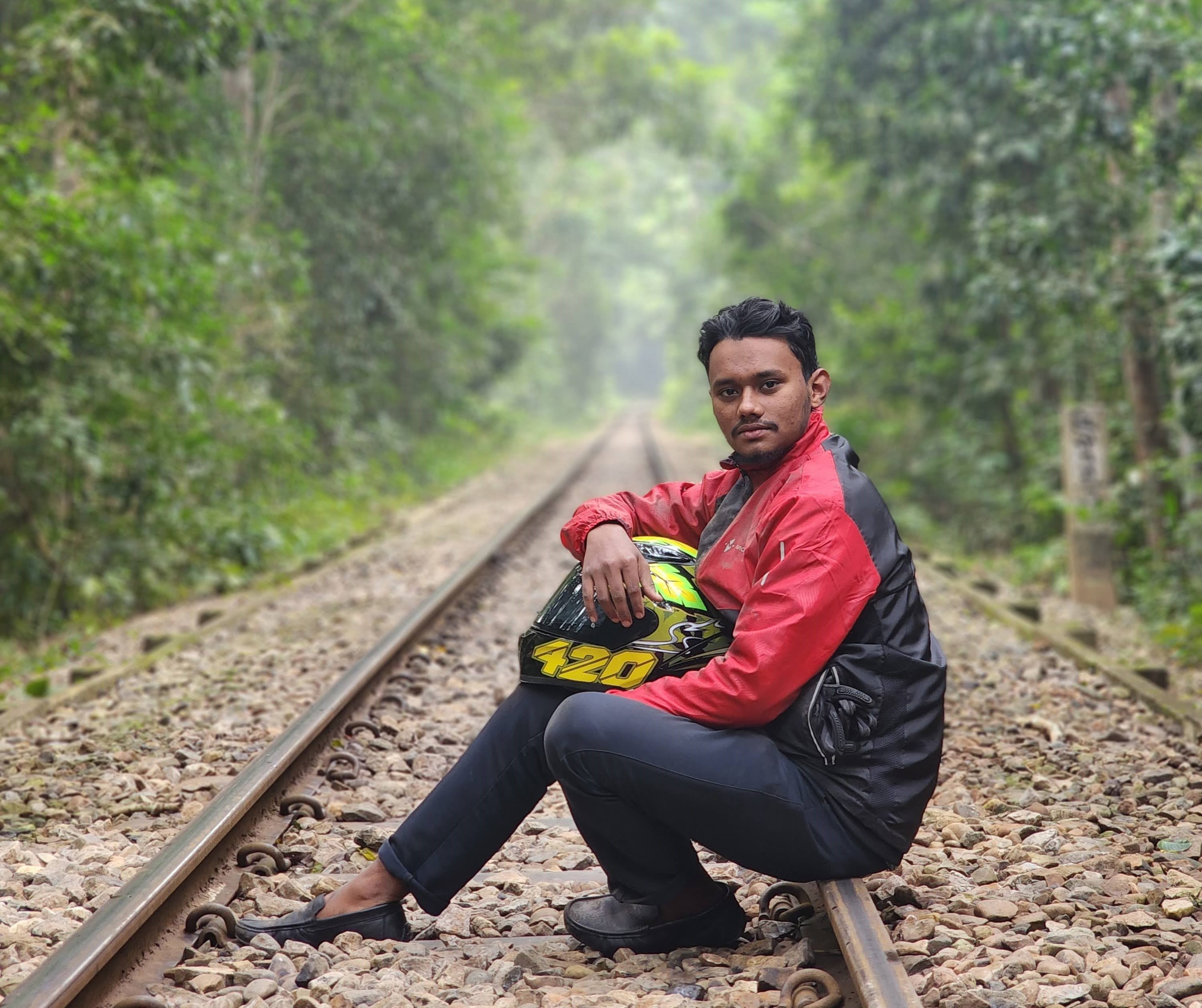
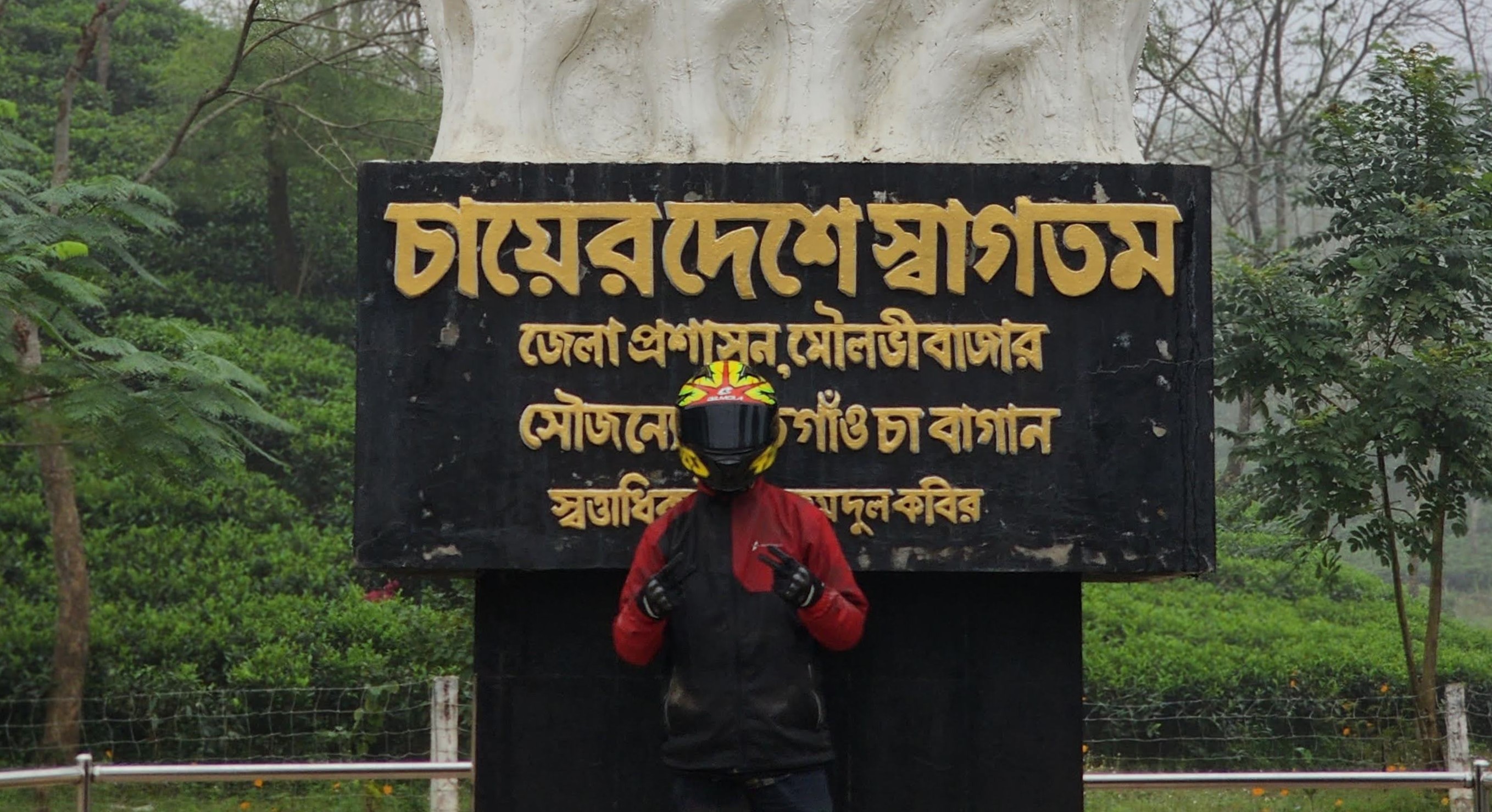
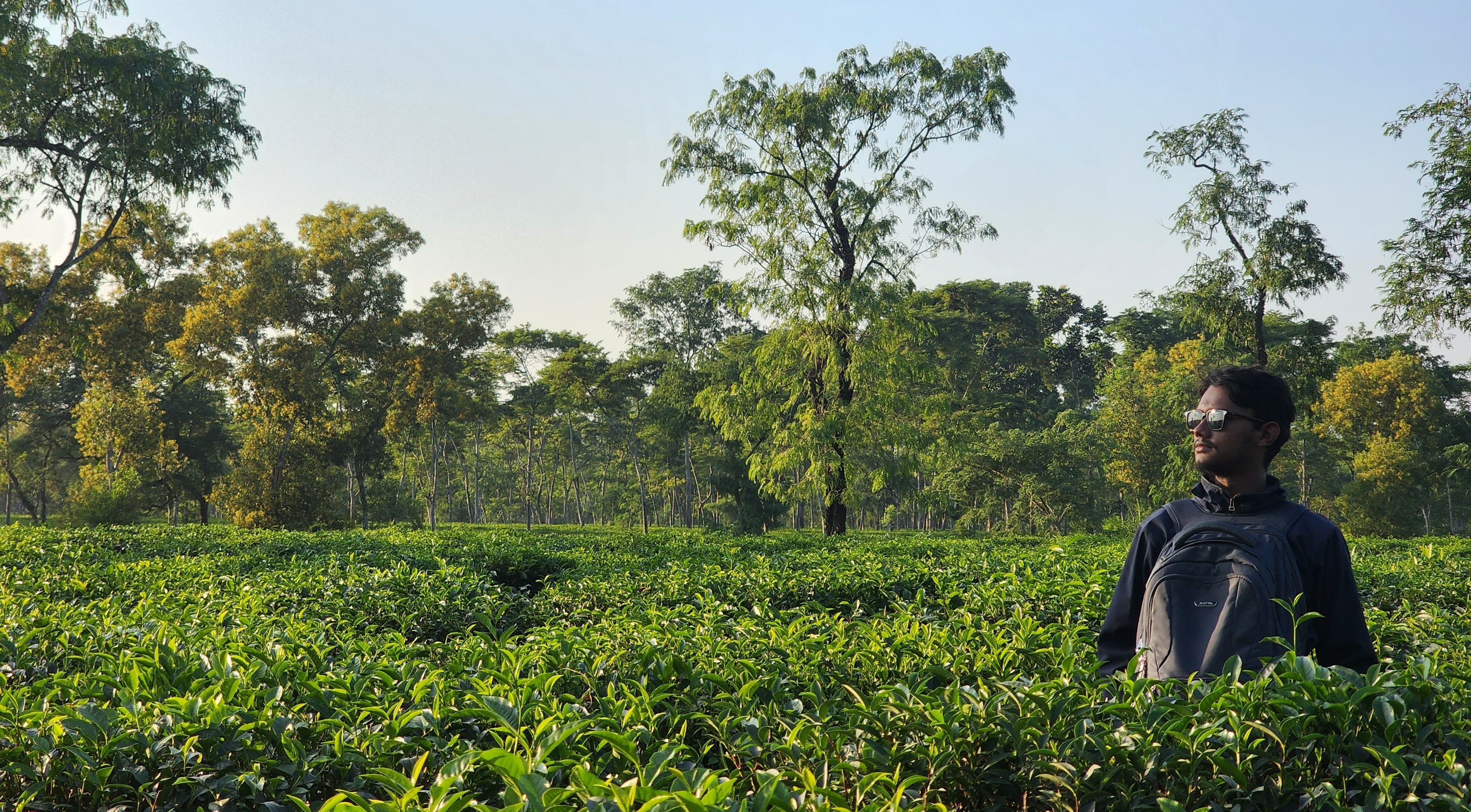
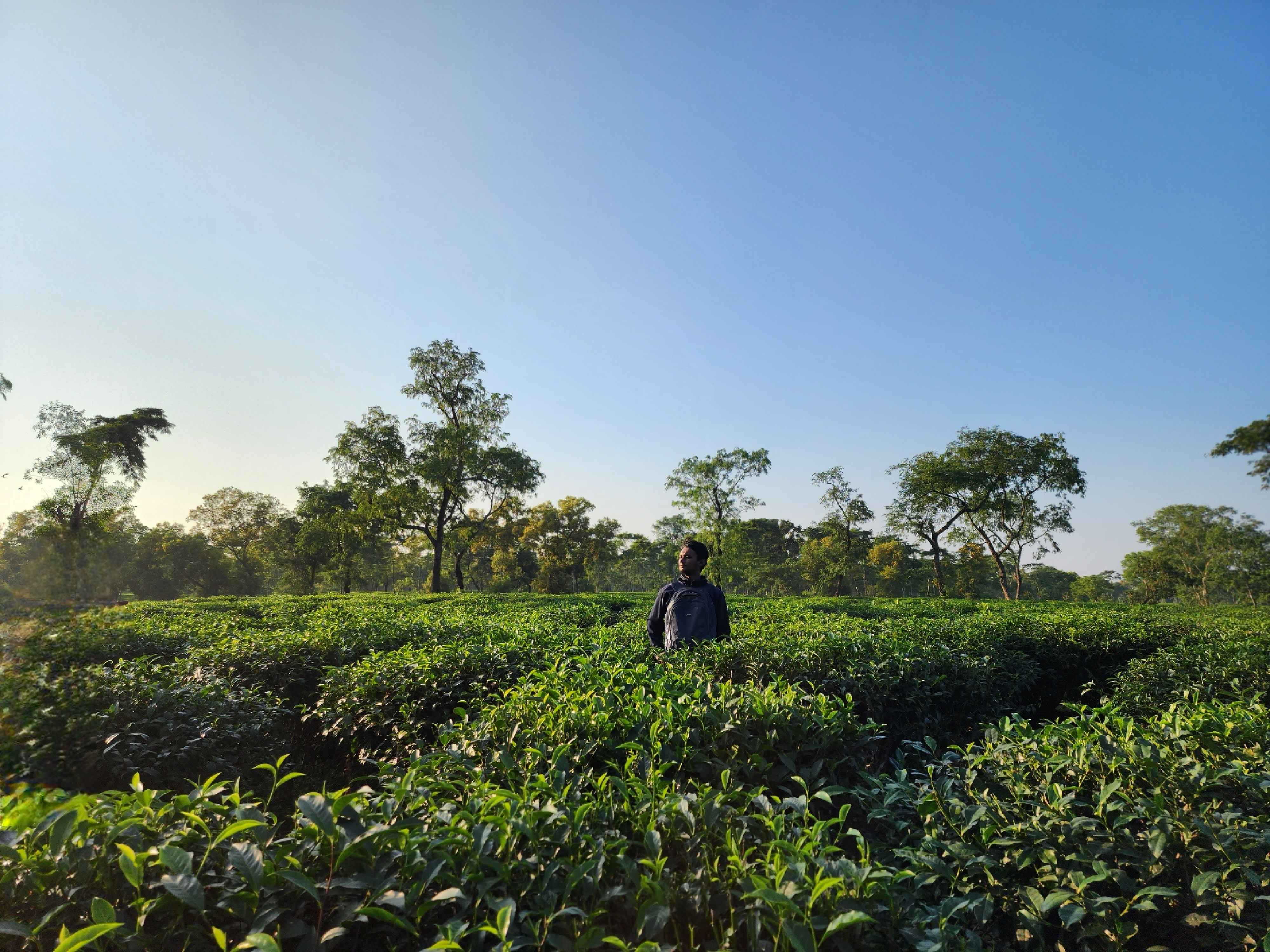
Sreemangal, in Moulvibazar district, is often called the tea capital of Bangladesh, a quiet town surrounded by endless tea gardens, rubber and pineapple plantations, and patches of tropical forest. Just outside town, Lawachara National Park is one of the last surviving rainforests in the country and home to the endangered western hoolock gibbon, with walking trails under a tall green canopy. The town is famous for its layered multi-colour tea, and it hosts the Bangladesh Tea Research Institute. In winter, the Baikka Beel wetland draws large flocks of migratory birds, and Madhabpur Lake lies nearby among the hills and tea estates. The area is also home to the Khasi and Manipuri communities, whose villages and crafts are part of the region's character.

Sajek Valley
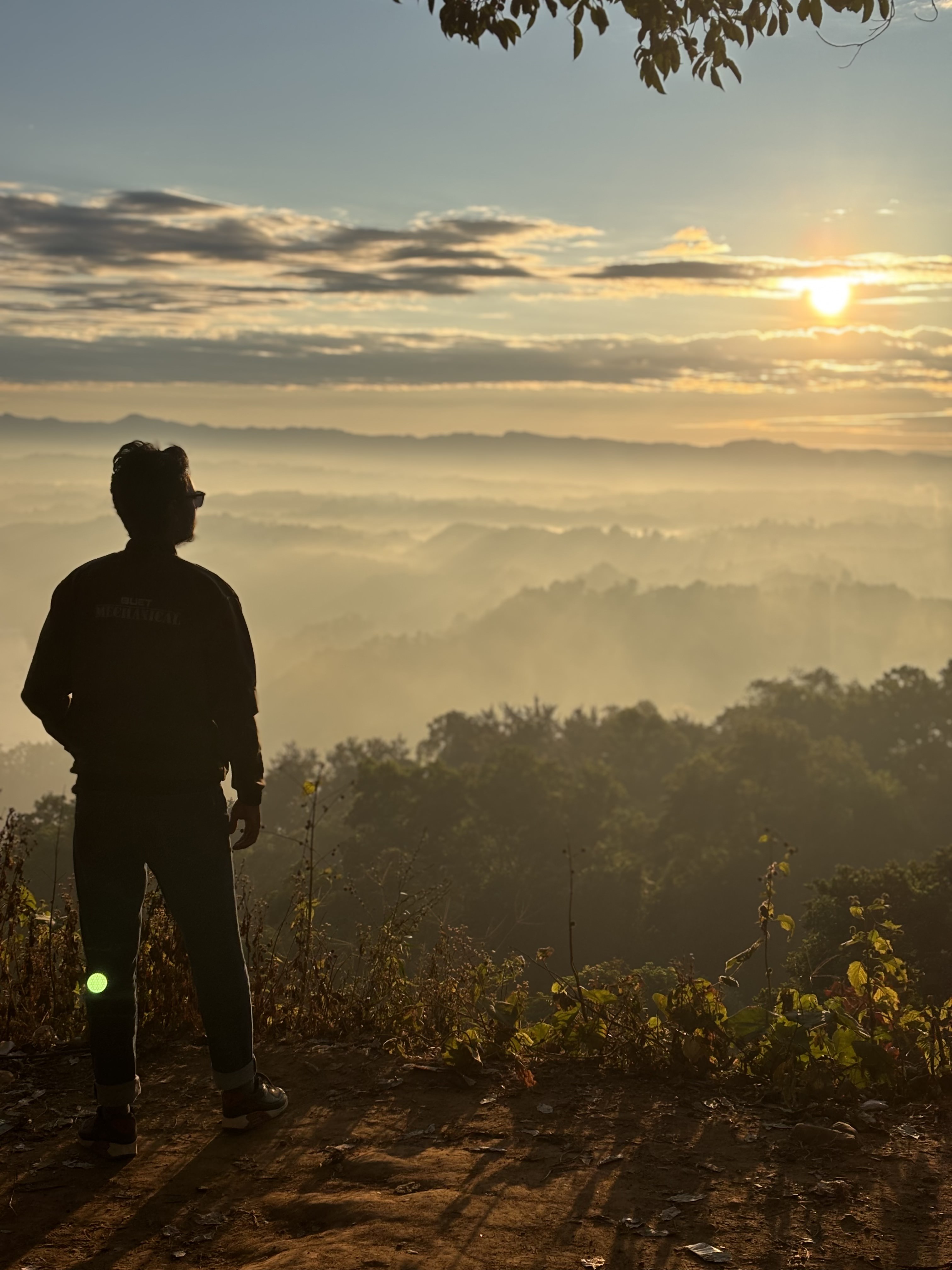
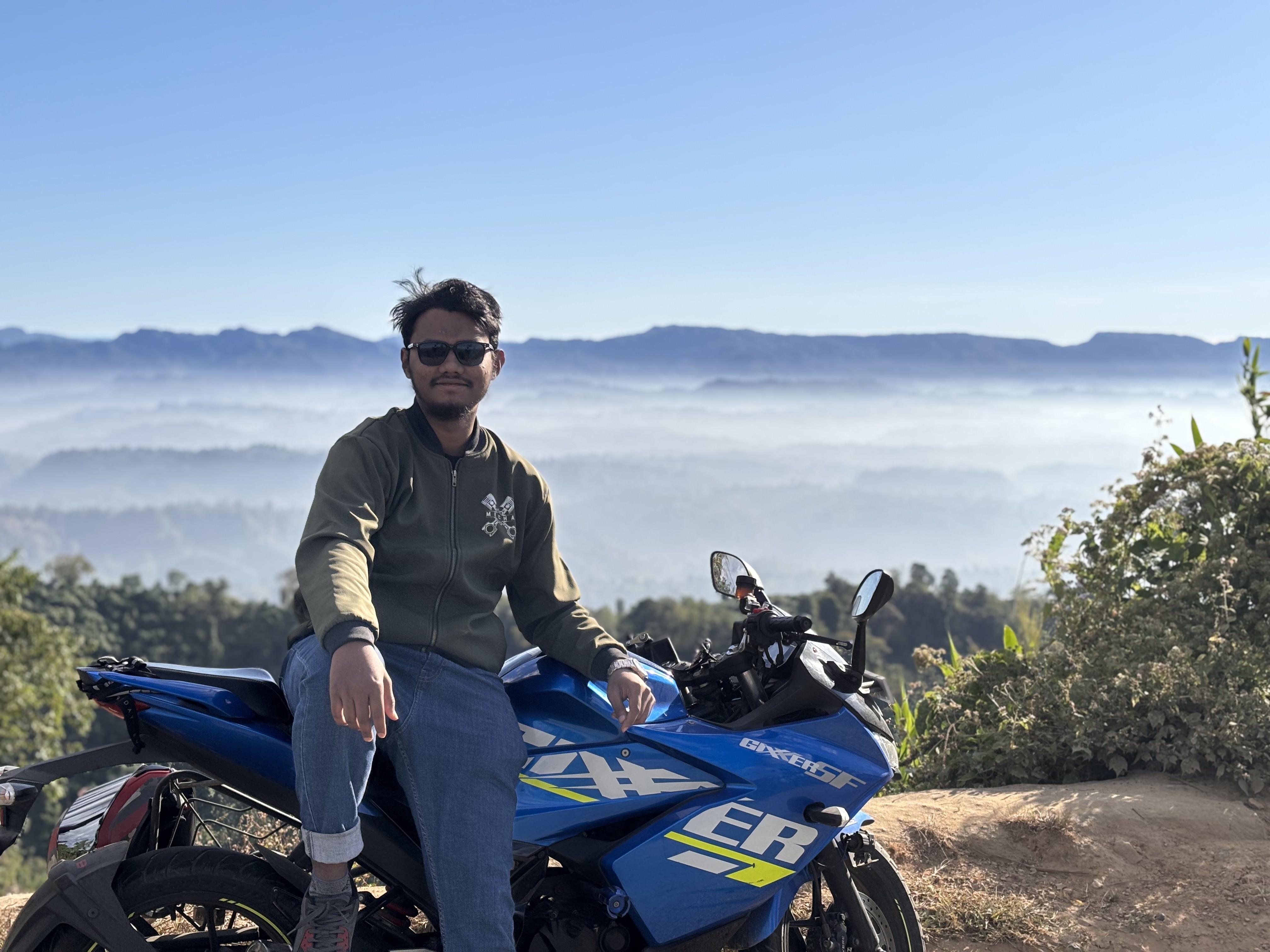
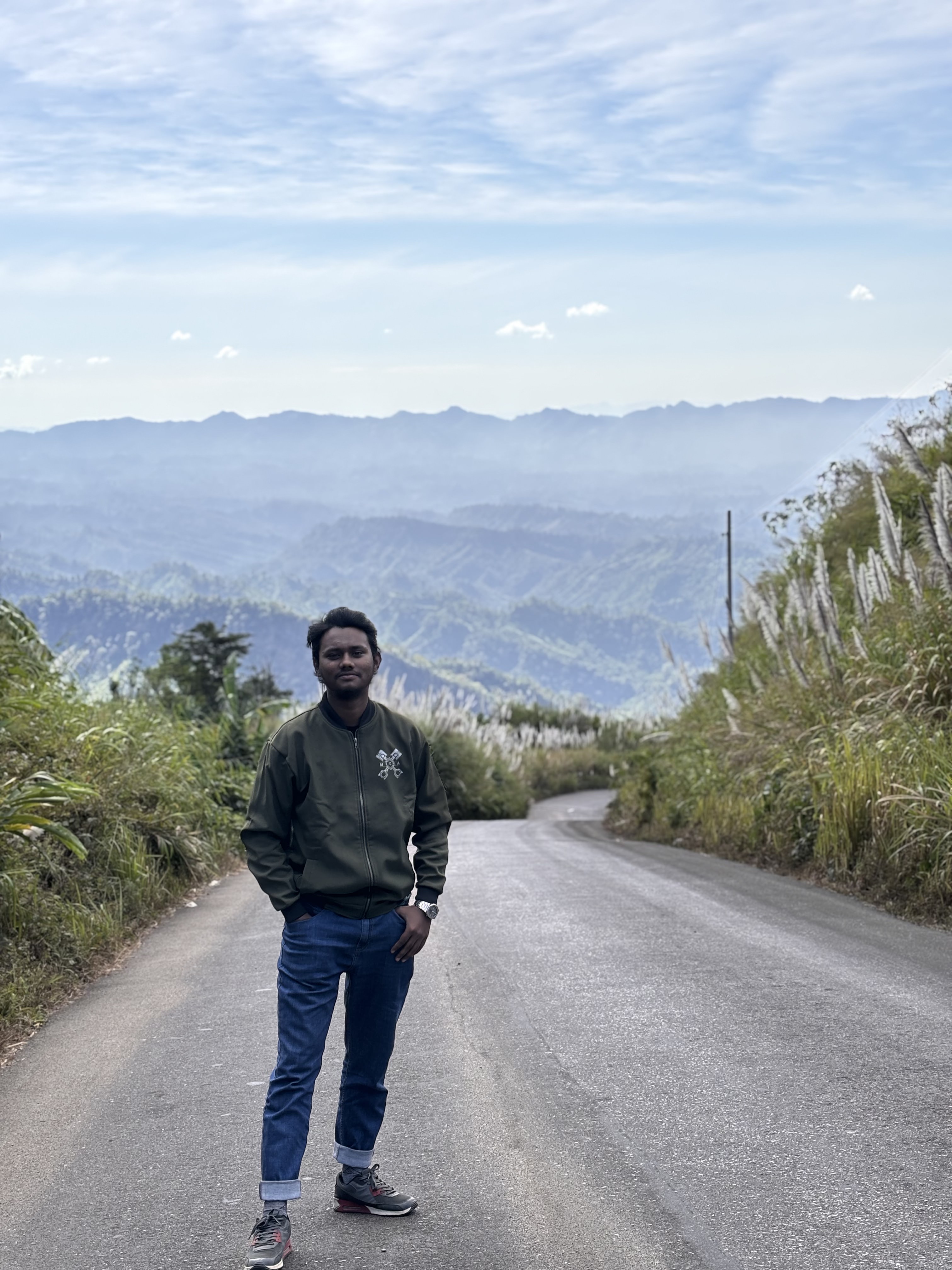
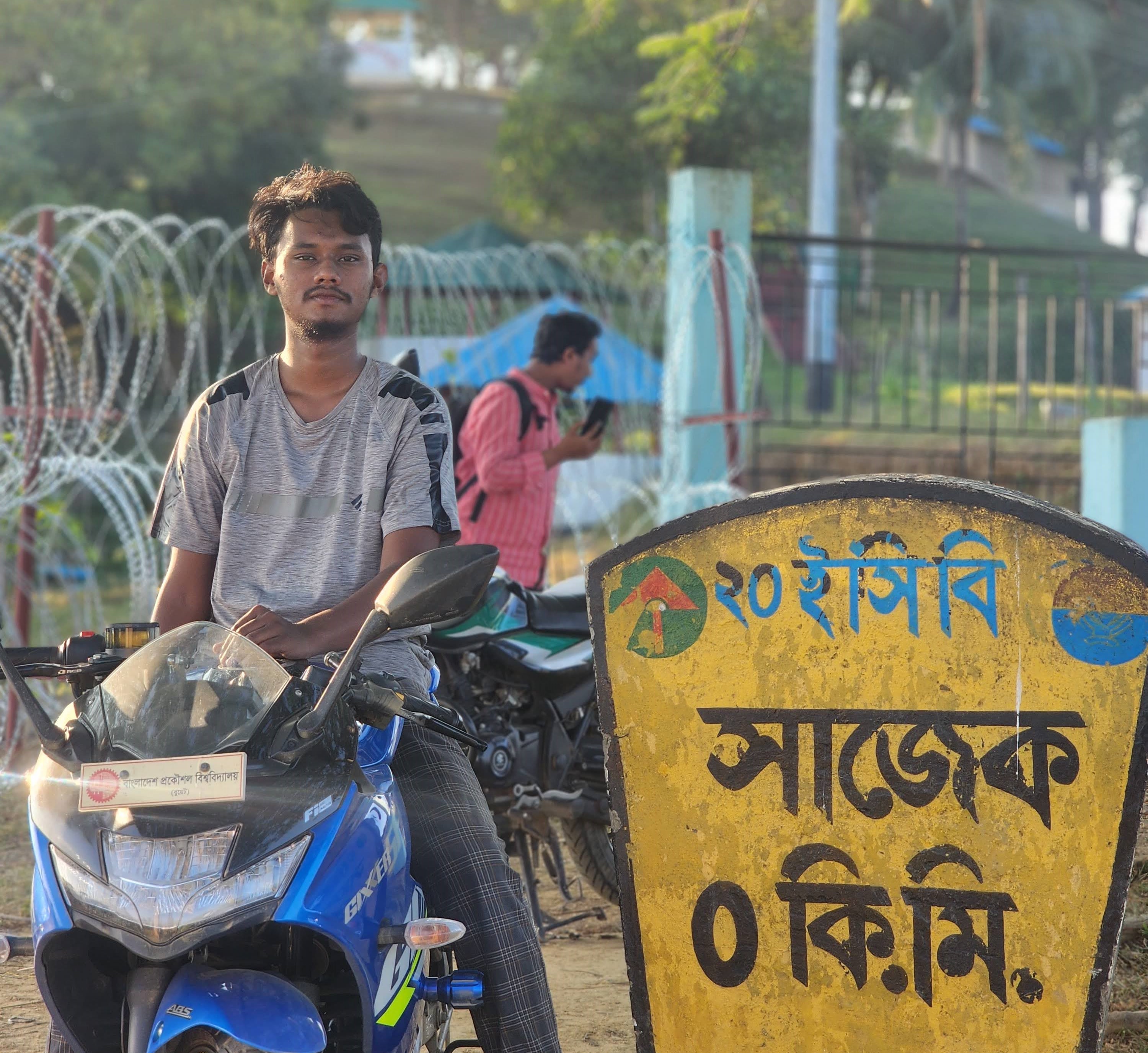
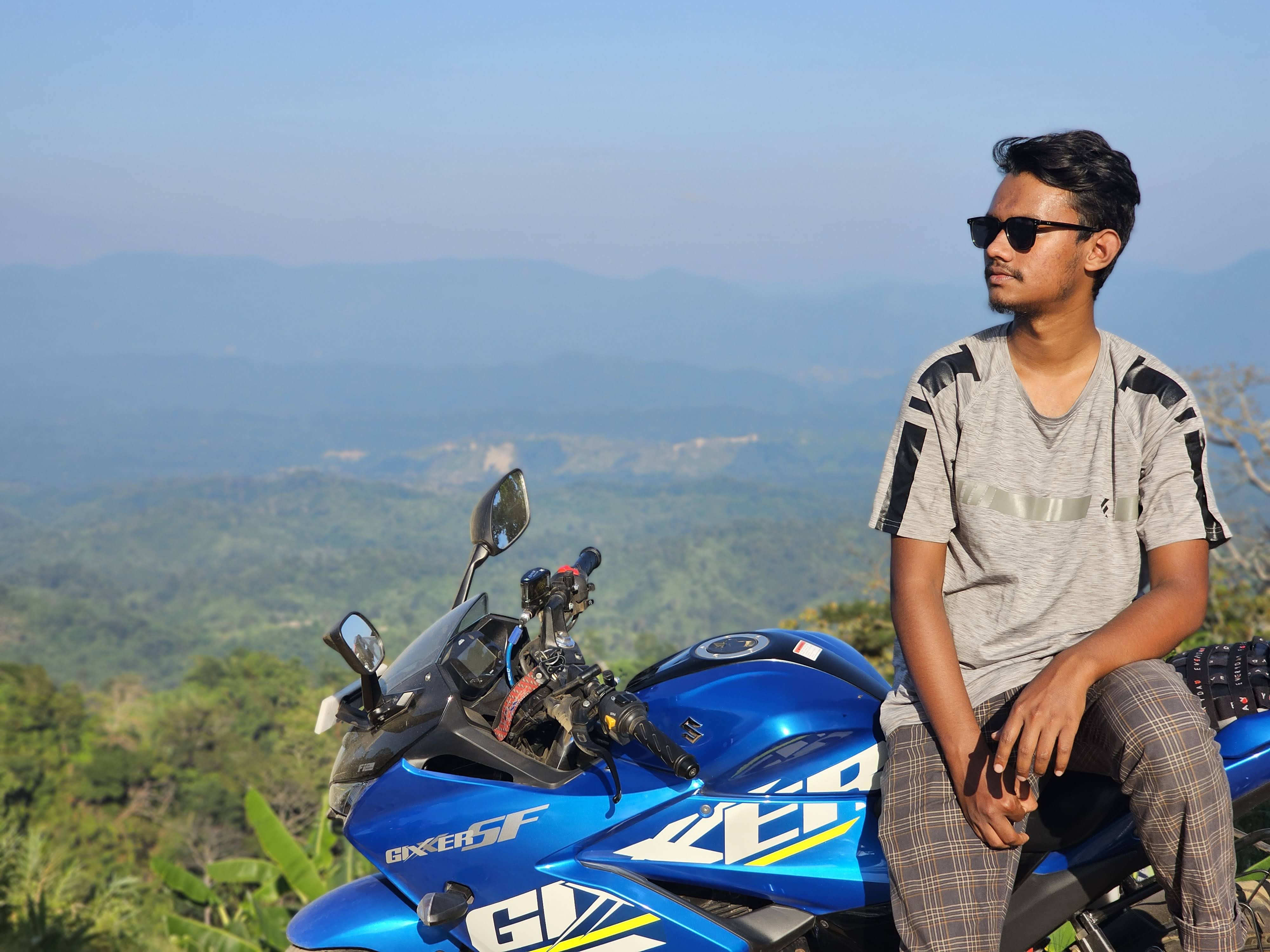
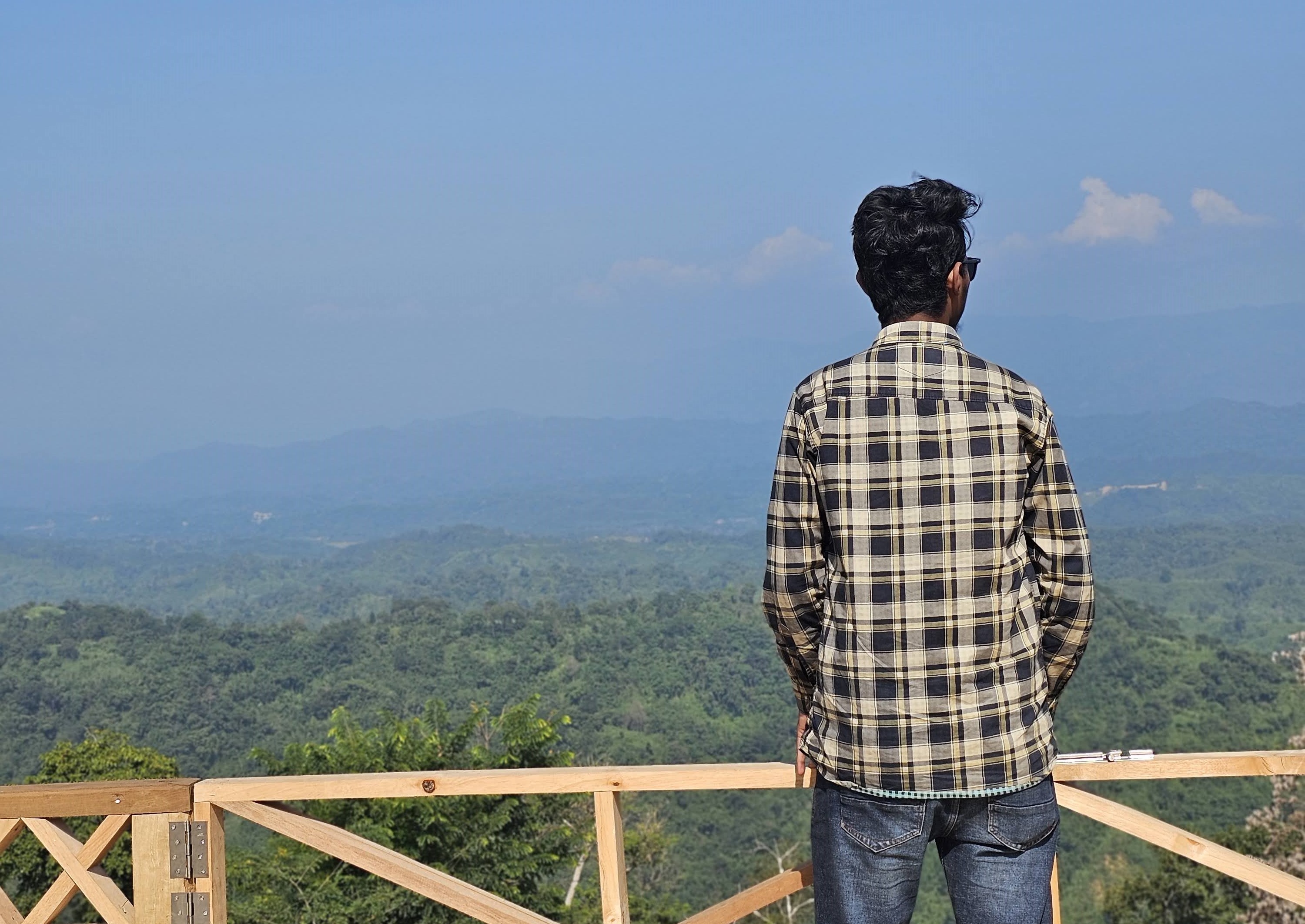
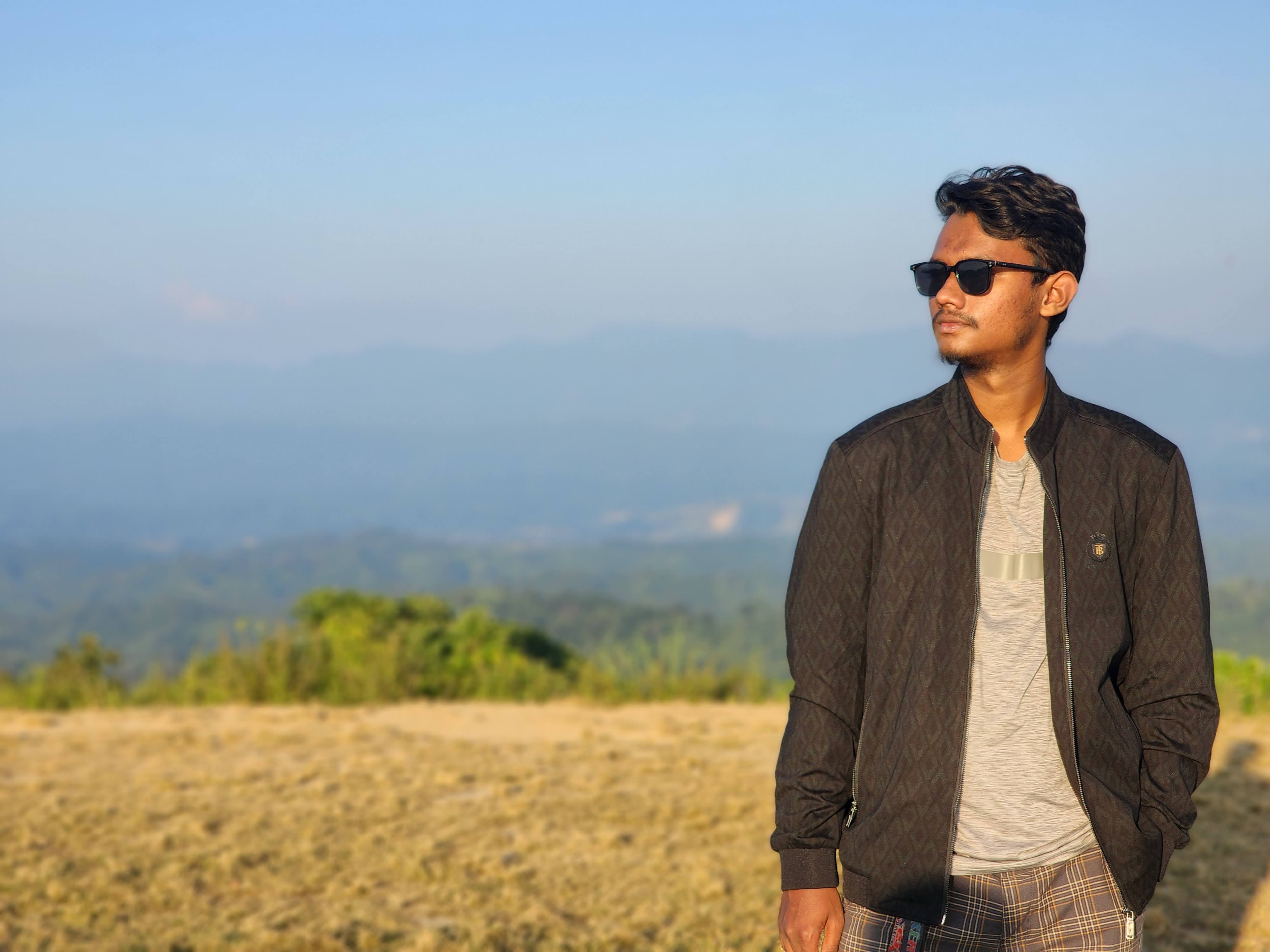
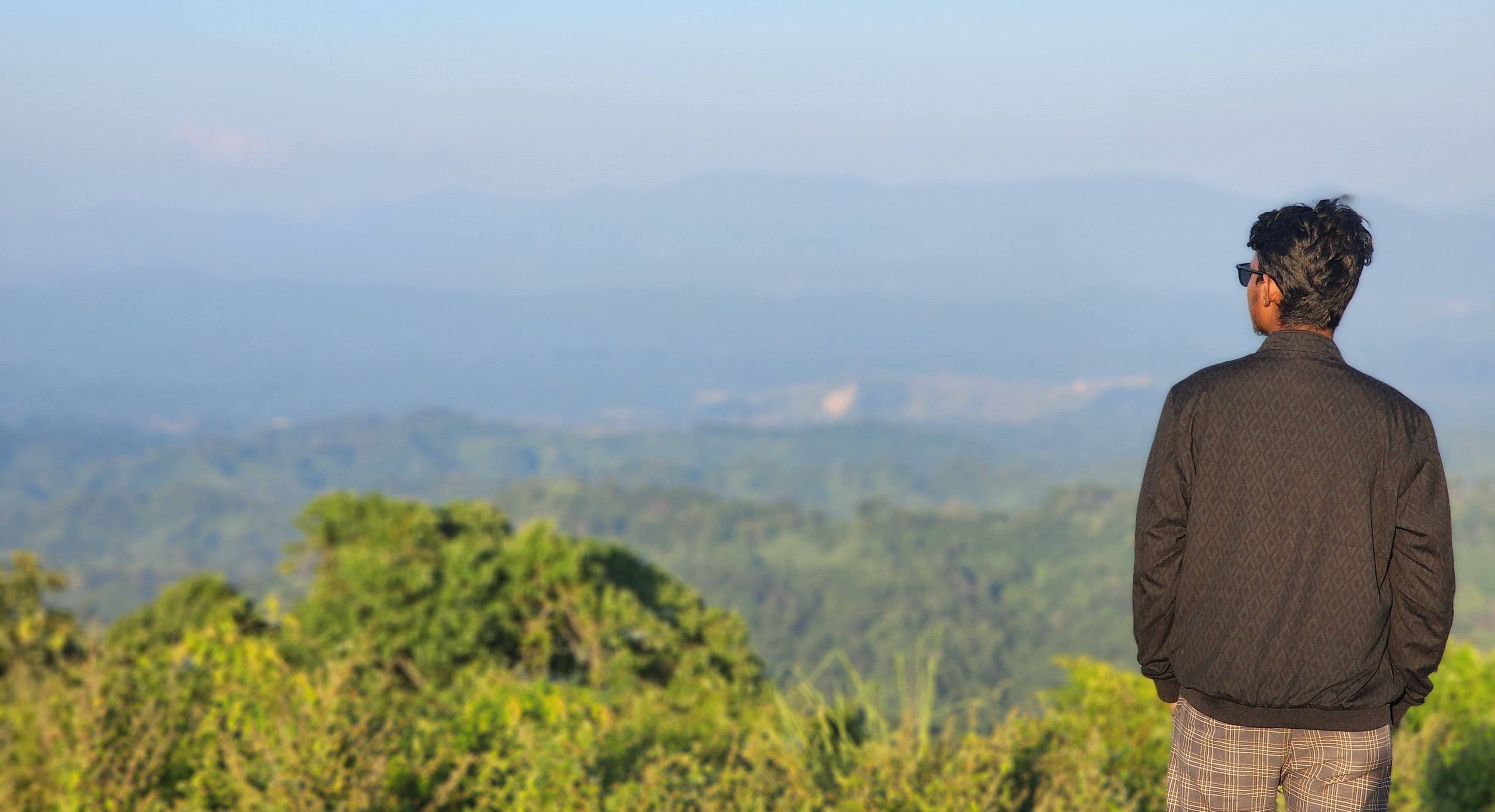
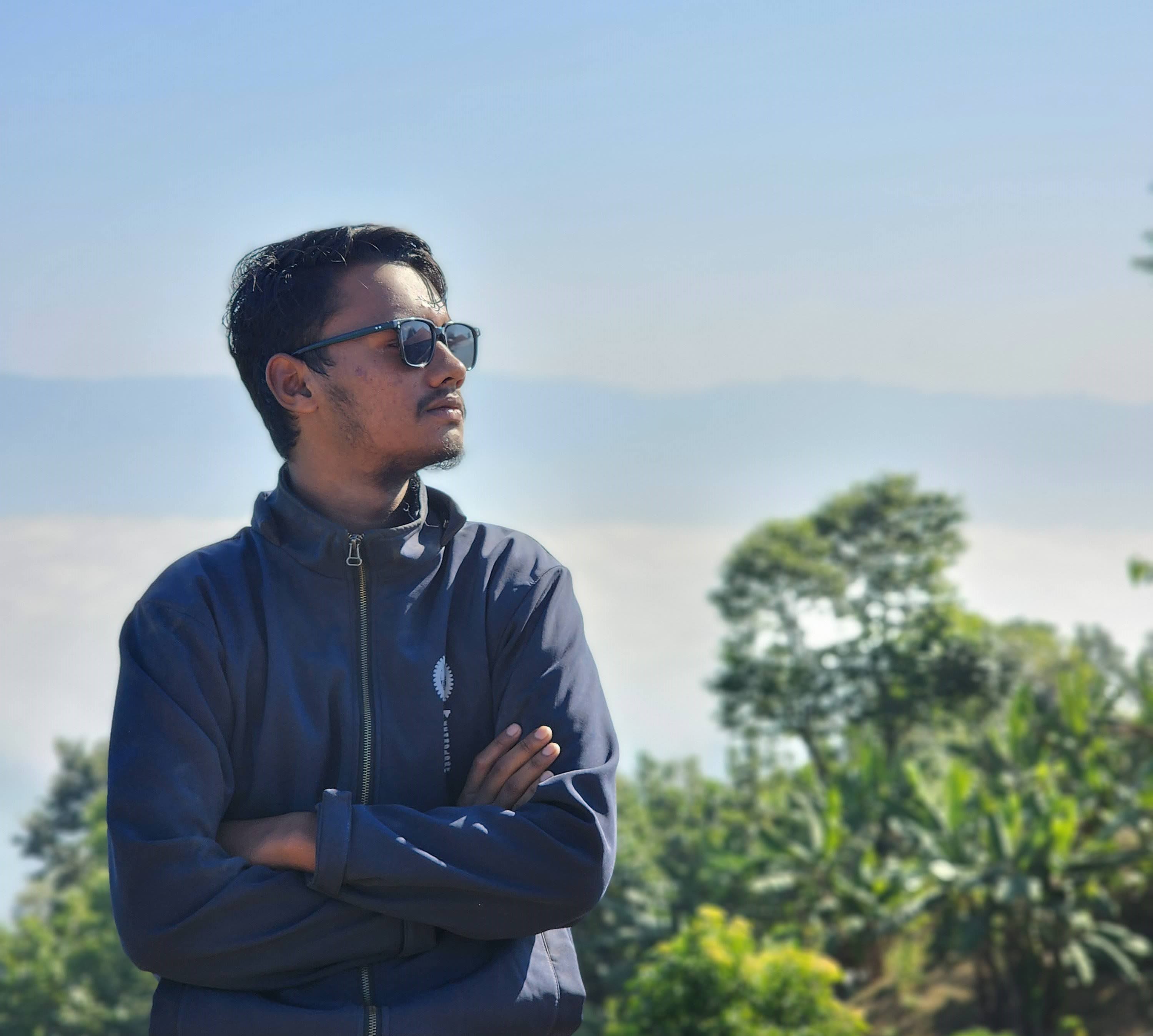
Sajek Valley, high in the hills of Rangamati district, is often called the kingdom of clouds, a ridge-top village where mornings begin with a sea of white clouds filling the valleys below. Sitting at around 1,800 feet and reached by a winding mountain road through Khagrachari, Sajek opens up to endless layers of green hills stretching toward the Mizoram border. Visitors gather at the helipad and nearby viewpoints for sunrise and sunset, and the short climb to Konglak Para, the highest point of the valley, gives one of the widest views in the area. The valley is home to the Lushai, Pangkhua and Tripura communities, whose colourful wooden houses line the main road through Ruilui Para.